
The Freedom of Variety
Imagine a party where guests are not forced to commit to a single, large plate of food. Instead, they are invited to explore a curated journey of flavours. This is the core appeal of serving small portions. By offering bite-sized versions of multiple
dishes—think Spanish tapas, Mediterranean meze, or a custom tasting menu—you give your guests the freedom to sample everything. This approach encourages a more adventurous palate. A guest who might hesitate to try a full serving of a new dish will happily taste a small bite. It turns dinner into a dynamic experience filled with discovery and conversation as people discuss their favourite items. This format allows guests to design their own meal, combining different textures and tastes to create a personalised culinary experience.
The Psychology of Satisfaction
There's a fascinating psychological element at play with small plates. When diners are presented with smaller portions, they tend to eat more mindfully. Each bite is savoured, and the flavours, textures, and aromas become more pronounced. This mindful approach can increase satisfaction. Furthermore, an array of small dishes creates a feeling of abundance and generosity that a single large platter might lack. It signals that the food is special and meant to be deliberately enjoyed. Studies have shown that we often associate smaller, carefully presented portions with higher quality and craftsmanship, elevating the perceived value of the meal before a single bite is even taken. This sense of experiencing something exclusive turns the act of eating into a more memorable event.
Designing Your Small-Plate Menu
The key to a successful small-plate event is balance. Aim for a variety of dishes that cover different flavour profiles, textures, and even temperatures. A good rule of thumb is to offer between three to five different options, which provides enough choice without overwhelming you or your guests. You can structure your menu to include both hot and cold items, some meat or fish, and plenty of vegetable-based choices. Think about a mix of prepare-ahead dishes, like marinated olives or a trio of dips, and a few last-minute items, like seared shrimp or warm flatbreads. This strategy ensures you can enjoy the party without being stuck in the kitchen.
The Art of Presentation
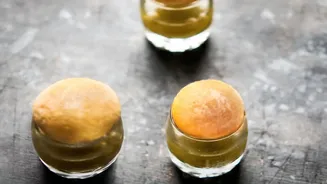
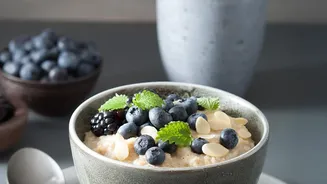
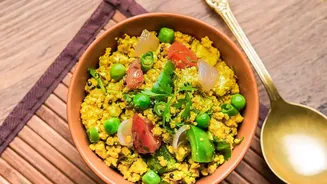
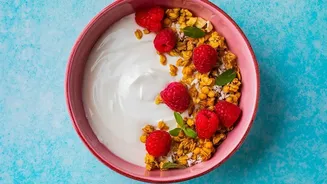
How you serve your small portions is just as important as what you serve. Presentation is crucial for making small bites feel special. You don’t need professional catering equipment; simple, elegant touches go a long way. Use a collection of small bowls, ceramic spoons, skewers, and glasses to display your offerings. Grouping items on large platters allows guests to easily see the variety and serve themselves. Labelling each dish is a thoughtful touch that helps guests know what they're eating and accommodates those with dietary restrictions. For finger foods, consider options that are easy to handle while standing and mingling, which encourages social interaction. Even a simple garnish of fresh herbs can add a touch of elegance and make the food look more appealing.
Practical Benefits for the Host
Beyond creating a more engaging experience for guests, the small-portion approach offers practical advantages for the host. Firstly, it significantly reduces food waste. Guests take only what they can eat, and because they sample a bit of everything, you’re less likely to be left with a huge, untouched bowl of a single dish. This method can also be budget-friendly. It allows you to incorporate luxurious ingredients, like high-quality cheese or seafood, in smaller, more affordable amounts. Ultimately, the goal is for everyone, including the host, to feel relaxed and satisfied. A small-plate party fosters a communal, shared experience where the focus is on connection and enjoyment, not just on eating until stuffed.