







A Market in High Gear
India's passenger vehicle market is witnessing a remarkable comeback of the first-time buyer. After a few years of sluggishness, this crucial segment is expanding rapidly. Maruti Suzuki, the country's largest carmaker, reported that first-time buyers
accounted for 54% of its sales in the first quarter of fiscal year 2026, a notable increase from 42% in the previous year. This isn't an isolated event. The share of first-time buyers across the market is estimated to have jumped by 10% in the first half of the fiscal year, the largest increase since the pandemic. This influx signifies a broadening of the market base, suggesting renewed economic confidence and a powerful momentum towards mass motorisation.
The Catalysts Behind the Change
Several factors are fuelling this trend. A key driver has been the government's rationalisation of the Goods and Services Tax (GST), which reduced the rate on smaller cars (under four metres) from 28% to 18%. This tax cut has made entry-level vehicles more affordable, a critical factor for price-sensitive buyers upgrading from two-wheelers. Furthermore, improved access to financing has played a vital role, with banks and non-banking financial companies offering attractive loan options with flexible repayment terms, making car ownership more accessible. This financial lubrication, combined with rising disposable incomes and a post-pandemic preference for personal mobility, has created the perfect environment for new buyers to enter the market. Better rural demand has also been central to the recovery.
Maruti's Enduring Dominance
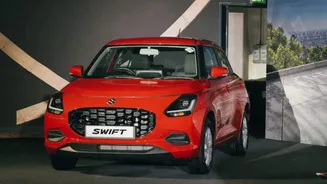
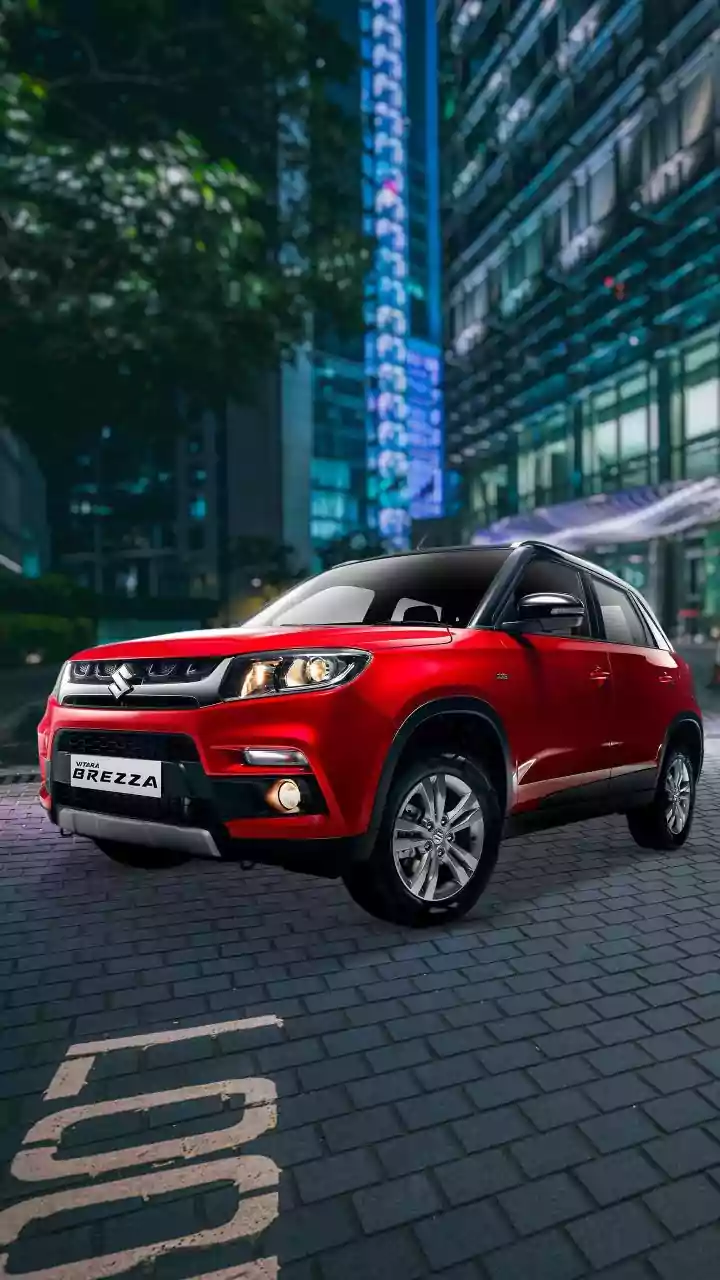
Maruti Suzuki has been the primary beneficiary of this shift, thanks to its deep-rooted dominance in the small-car segment. Models like the Alto, S-Presso, and WagonR have long been the default choice for those entering the car market. The recent GST changes led to a 96% rise in sales for Maruti's mini cars, Alto and S-Presso, between April and August, underscoring the direct impact of affordability. The brand's strength lies not just in its products but also in its unparalleled service network and the trust it has built over decades. For many new buyers, factors like low maintenance costs, reliability, and fuel efficiency are paramount, areas where Maruti has consistently excelled.
Tata and Mahindra Catch the Wave
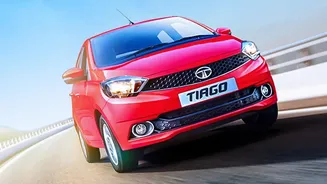
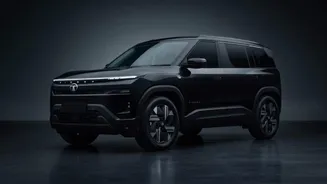
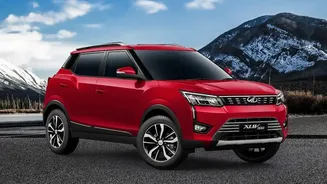
While Maruti leads, its rivals are also successfully tapping into this new customer base. Tata Motors has seen a significant influx of first-time buyers, particularly for its sub-compact SUV, the Punch. A staggering 60% to 70% of Punch customers are first-time car owners. The Punch's success comes from offering a desirable SUV design with a strong safety proposition at an accessible price point, effectively creating a new sub-segment that appeals to aspirational buyers. Mahindra & Mahindra, known for its larger SUVs, is also seeing growth in this area. The company reported a 20% year-on-year growth for its entry-level SUVs in the first five months of the fiscal year, showing that even in the SUV space, appealing to new buyers is a winning strategy.
What This Means for the Future
The return of the first-time buyer is more than just a sales statistic; it's a sign of a healthy, growing market with deepening roots. This trend forces automakers to recalibrate their strategies, placing renewed focus on entry-level models, competitive pricing, and understanding the unique needs of a customer new to car ownership. It signals a shift from a replacement-driven market to one powered by fresh demand. As millions of new households join the ranks of car owners, it will not only fuel sales volumes but also shape the next generation of vehicles, services, and competition in one of the world's most dynamic auto markets.