






A Deliberately Unbalanced Design
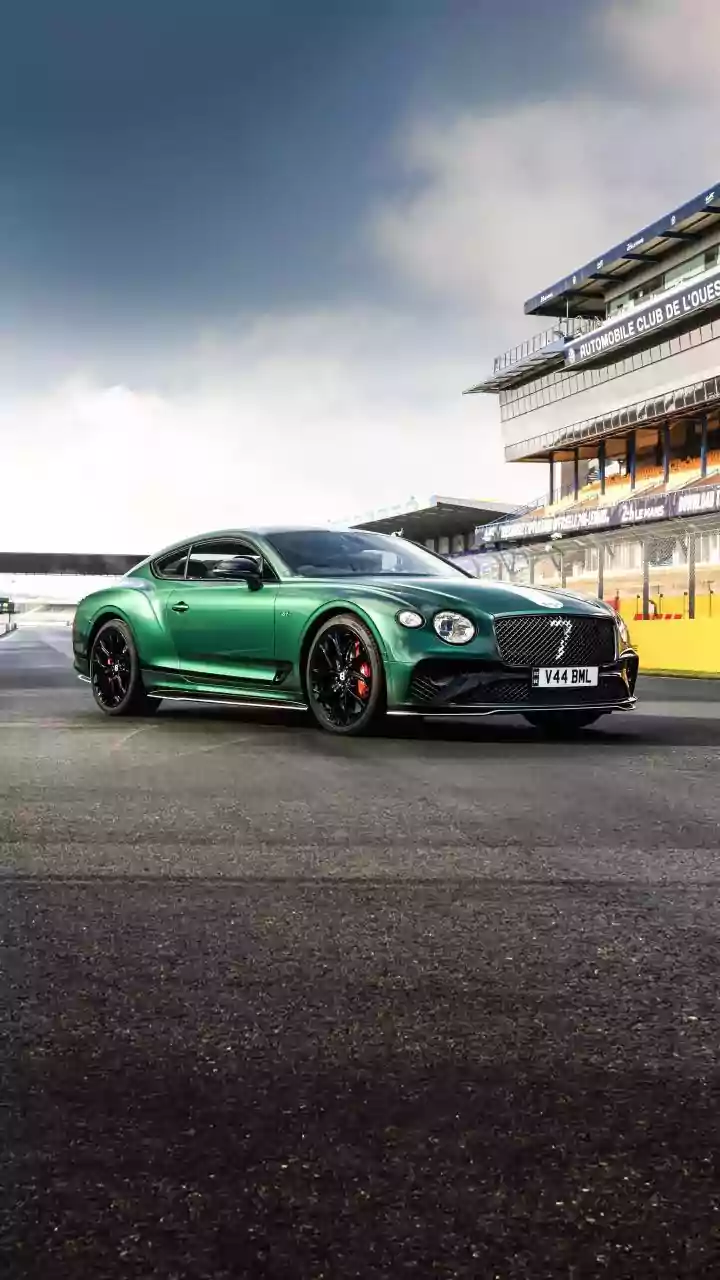
For the first time in its history, Bentley is offering a production car with a side-to-side paint fade. Created by its bespoke Mulliner division, the new 'Design Theme' is an exclusive option for the ultra-high-performance 2026 Continental GT Supersports.
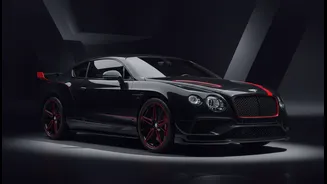
This isn't a subtle two-tone roof; it's a dramatic colour gradient that flows across the entire width of the car. In one of the available themes, a vibrant Dragon Red on one side of the vehicle seamlessly blends into a deep Black Crystal on the other. The look is amplified by an off-centre racing stripe that runs the length of the car, purposefully aligned with the passenger seat, not the middle. It is an audacious look designed to debut at the prestigious Goodwood Festival of Speed, ensuring it captures the attention of the automotive world.
A Cockpit for One
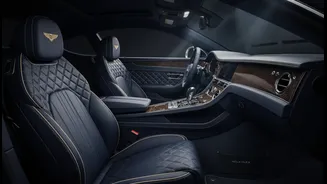
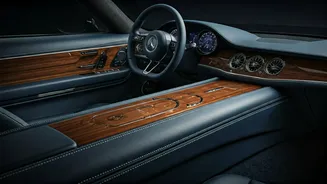
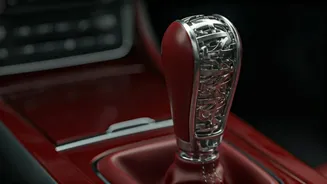
The asymmetry continues forcefully inside the cabin, where the design philosophy becomes clear. The interior is starkly divided into two distinct colour zones, creating a visual separation between the driver and passenger. The driver’s side is wrapped in a bright, bold colour—like the fiery Hotspur red in the 'Dragon' theme—while the passenger area is finished in a more subdued, darker tone. This isn't just for show; Bentley says the theme is designed to be relentlessly driver-focused. By visually isolating the driver in their own vibrant space, Mulliner has crafted a cockpit that emphasizes performance and engagement, reinforcing the Supersports’ mission as a pure driver's car. Regardless of whether the car is left- or right-hand drive, the brighter, more dominant colour is always reserved for the person behind the wheel.
The Perfect Canvas
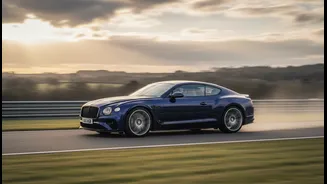
This radical styling package is not available on just any Bentley. It is exclusive to the 2026 Continental GT Supersports, a model that already represents a dramatic shift for the brand. Limited to just 500 examples worldwide, the new Supersports is the fourth car to wear the legendary name in Bentley's history, arriving 100 years after the original. Unlike its all-wheel-drive, hybrid-assisted siblings, the new Supersports is a more traditional purist's machine. It features a powerful twin-turbo V8, but sends all its power exclusively to the rear wheels. Thanks to extensive use of carbon fibre and a two-seat configuration, it is significantly lighter than other Continental models, making it the most agile and driver-focused Bentley in the current lineup. This extreme character makes it the ideal platform for an equally extreme design statement.
A Secret History of Asymmetry
While a side-to-side paint fade is a shocking first for the brand, the idea of using asymmetry is woven into Bentley's very identity. For over a century, the company has hidden a secret imbalance in plain sight: its iconic 'Winged B' logo. When designer Frederick Gordon Crosby created the original emblem in 1919, he deliberately gave each wing a different number of feathers. This was a clever anti-counterfeiting measure, making it easier for the company to spot fraudulent copies, which were almost always made symmetrically. While the logo was made symmetrical for a period under different ownership, Bentley returned to its asymmetrical roots in 2002, with the modern logo featuring 10 feathers on one side and 11 on the other. This historical detail provides a fascinating context for the new Supersports. What seems like a radical modern gesture is, in fact, an echo of a century-old tradition of clever, purposeful imbalance.