







More Than a Buzzword
Responsible tourism is often mistaken for simply being eco-friendly. In Kerala, however, it represents a comprehensive economic strategy. Launched in 2017, the state's Responsible Tourism (RT) Mission reimagined the industry with a 'triple-bottom-line'
approach that prioritizes economic, social, and environmental well-being. The core idea is to move beyond a model where communities are passive backdrops for tourism and transform them into active stakeholders who plan, manage, and benefit from it directly. This approach aims to create better places for people to live in and better places for visitors to experience, ensuring that the benefits of tourism are deeply rooted in the local soil.
The Economic Logic of Localisation
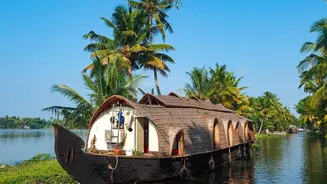
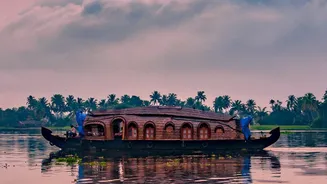
The long-term strength of any visitor economy lies in its authenticity and resilience. By putting local communities first, Kerala is making a shrewd investment in both. The RT Mission focuses on creating strong links between the tourism industry and local producers. Instead of revenue leaking out to large, non-local corporations, it stays within the community. This is achieved through tangible initiatives like promoting homestays, sourcing food for hotels from local farmers, and connecting tourists with village artisans. Kudumbashree, a women's empowerment and poverty eradication program, plays a key role by helping women-led units supply everything from handcrafted souvenirs to catering services for houseboats, generating significant local income.
Success in Action
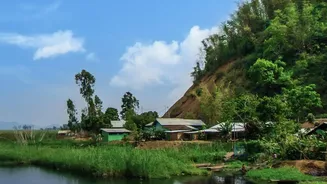
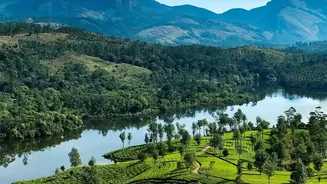
This isn't just theory; the model has proven itself across the state. In Kumarakom, one of the pilot destinations, responsible tourism has created new employment opportunities and boosted the local economy. The initiative offers innovative packages like 'village life experiences' where tourists can engage in traditional activities like coir making, canoe tours led by locals, and farm visits. These authentic experiences are not only highly sought after by modern travellers but also provide direct income to residents. The success of these programs is reflected in numerous accolades, including global awards for local sourcing, community involvement, and women-inclusive initiatives, reinforcing Kerala’s position as a world leader in this space.
Building a Resilient Future
A tourism model that exploits its core assets—natural beauty and cultural heritage—is ultimately self-defeating. Kerala's approach is designed for longevity. By empowering communities to protect their environment and preserve their culture, the state is safeguarding the very things that make it a unique destination. Initiatives like the 'STREET' (Sustainable, Tangible, Responsible, Experiential, Ethnic, Tourism) project and mangrove preservation efforts demonstrate a commitment to protecting natural capital. This ensures that the backwaters remain pristine and the cultural traditions vibrant for future generations of visitors, preventing the kind of overtourism and degradation that has harmed other destinations.
The Visitor's Crucial Role
This sustainable model also reframes the role of the tourist. Visitors are no longer just consumers but can become contributors to the local ecosystem. By choosing certified homestays, participating in community-led tours, buying local handicrafts, and respecting local customs, travellers directly support the mission. This shift creates a more meaningful connection between visitors and the host community, moving beyond transactional tourism towards a more immersive and mutually respectful exchange. It allows tourists to know that their travel spending is directly contributing to the well-being of the people and places they are visiting.