



The Market by the Numbers
India's electric passenger vehicle segment continued its formidable expansion in October 2026, with retail registrations reaching approximately 37,000 units. This represents a massive 76.47% growth compared to the 20,995 units sold in October 2025. The
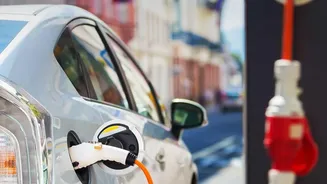
data, sourced from the Federation of Automobile Dealers Associations (FADA), underscores the accelerating adoption of electric mobility. As a result, the market share of electric vehicles in the total passenger vehicle landscape more than doubled, climbing to 7.3% in October 2026 from just 3.5% in the same month a year prior. While sales saw a slight dip compared to the record-high numbers of September 2026, the overwhelming year-on-year growth paints a powerful picture of a market in transition.
Tata Motors Defends its Throne
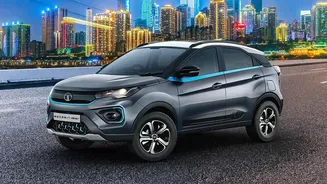
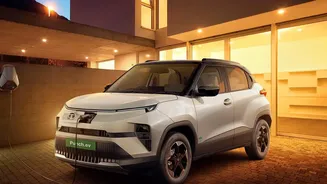
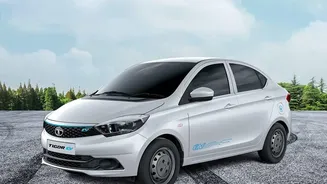
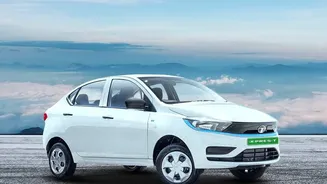
Tata Motors continued its reign as the undisputed leader in the electric passenger vehicle space. The Indian auto giant registered sales of around 14,669 units in October 2026, marking an impressive year-on-year growth of nearly 78%. This performance gave Tata a commanding market share of about 40.7%. The company's multi-pronged strategy, featuring a diverse portfolio that includes popular models like the Punch.ev, Nexon EV, and Tiago EV, allows it to cater to various price points. The Tata Punch.ev, in particular, made history by becoming the first standalone electric model in India to cross 5,000 monthly wholesale dispatches. This wide range of options has been a critical factor in maintaining its dominance, even as competition intensifies.
Mahindra and MG Lead the Chase
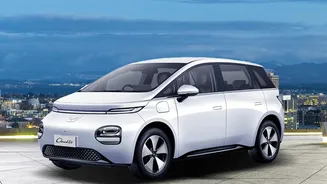
The competitive landscape is heating up, with Mahindra & Mahindra solidifying its position as a powerful number two. The company saw a remarkable 85.7% year-on-year growth, with sales of over 8,500 electric SUVs. This robust performance boosted its market share to around 23.7%. Together, Tata and Mahindra now control nearly two-thirds of the entire electric car market in India. JSW MG Motor, while seeing a more modest annual growth of about 11%, secured the third spot with nearly 6,000 units sold. However, its market share saw some erosion, dropping from over 26% in October 2025 to around 16.5% a year later, highlighting the fierce competition from domestic players.
New Entrants Shake Up the Market
Beyond the top three, other brands are making significant inroads. Vietnamese automaker VinFast delivered a remarkable performance, with sales surging over 1,700% year-on-year to more than 2,500 units. This explosive growth, coming just over a year after its market entry, signals its rising influence. Kia India also reported healthy growth of over 85% year-on-year, while Maruti Suzuki is gradually strengthening its presence, recording 1,200 EV sales in October. Even luxury brands like BMW and newcomers like Tesla are contributing to the expanding market, indicating that the appeal of electric vehicles is broadening across all consumer segments.
What's Fuelling the EV Surge?
Several factors are converging to drive this electric revolution. The festive season traditionally boosts vehicle sales, but the trend runs deeper. Persistently high prices for petrol and diesel are making the lower running costs of EVs more attractive to consumers. Simultaneously, the market is maturing with a wider choice of models available at different price points, from affordable hatchbacks to premium SUVs. Carmakers are also actively improving vehicle range and performance, addressing one of the key initial concerns of potential buyers. This combination of economic incentives, greater product variety, and improving technology is creating a perfect storm for EV adoption in India.