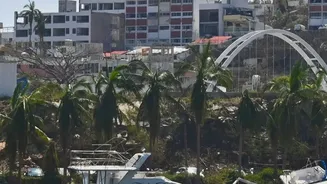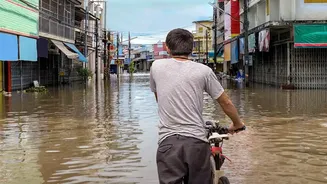





As floods, heatwaves, and storms become more frequent and severe, they leave a trail of devastation. But according to a startling new report from Oxfam, not everyone loses out. The organisation argues some are turning chaos into cash.
A 'Double Dividend' of Destruction
In a recent report
titled 'Disaster Divide', international aid organisation Oxfam lays out a provocative charge: the world's super-rich are cashing in on climate change twice. First, their investments in polluting industries like fossil fuels continue to drive the climate crisis. Second, they are increasingly profiting from the 'adaptation economy'—the growing market for services that respond to the very disasters they help create. This includes everything from reconstruction and insurance to flood barriers and firefighting equipment. Oxfam argues this creates a perverse incentive, where the planet's most powerful people benefit from both the problem and the often-privatised solution, creating a 'double dividend' from destruction.
The Mechanics of Profiteering
The practice is often labelled 'disaster capitalism', a term describing how corporate interests exploit a crisis to push through policies and secure contracts that enrich elites. According to Oxfam, this manifests in several ways. When extreme weather hits agriculture, for instance, subsequent spikes in food prices can disproportionately benefit large commodity trading corporations and their investors, while local farmers and consumers suffer. A case cited involves a massive surge in cocoa prices after extreme weather in West Africa, where local farmers reportedly saw none of the gains. Furthermore, the global disaster recovery market itself is booming, projected to grow from around $70 billion to $92 billion annually by 2029. The world's wealthiest are heavily invested in the construction, finance, and insurance firms poised to capture this market.
The Disproportionate Human Cost
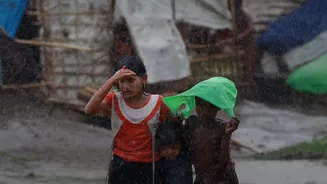
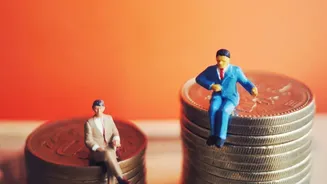
This profiteering isn't just an economic issue; it's one of profound inequality and injustice, Oxfam contends. The report highlights a staggering disparity in emissions: the richest 0.1% of the world's population (about 8 million people) are responsible for more carbon emissions than the poorest 3.5 billion combined. Yet, the consequences fall hardest on those least responsible. Oxfam's research finds that deaths from flooding are seven times higher in more unequal countries. While wealthy individuals and nations can afford to insulate themselves with private insurance, safer housing, and relocation, poorer communities are left exposed. For them, a climate disaster means losing homes and livelihoods, with little to no safety net to aid in recovery, a cycle that deepens poverty with each successive shock.
Who Are the Key Players?
Oxfam created a 'Destroy and Rebuild Index' identifying 217 corporations that either significantly contribute to climate breakdown or are involved in the business of adapting to it. The report found that in 2025, these companies made an average profit of $1.8 billion. It also highlights the role of major asset management firms that advise wealthy investors. Two of the largest, BlackRock and Vanguard, are named as having shares in 92% of the companies in the index, with combined investments worth over $1 trillion. Oxfam's argument is that by channelling wealth into these sectors, investors are not just passively benefiting but actively fuelling a system where destruction can be a lucrative business model.
A Call for Accountability
In response to its findings, Oxfam is calling for systemic changes to break this cycle. The organisation urges governments to 'make rich polluters pay'. Specific proposals include introducing permanent wealth and excess profit taxes on fossil fuel corporations, as well as punitive taxes on high‐emitting luxury items like private jets. Another key demand is a shift in international climate finance, moving away from loans that can mire developing nations in debt and toward grant‐based aid. By curbing the political and economic influence of the wealthiest polluters and investing in climate‐resilient public infrastructure, Oxfam believes it's possible to create a system that prioritises people and the planet over profits.