








The Planet's Great Heat Sponge
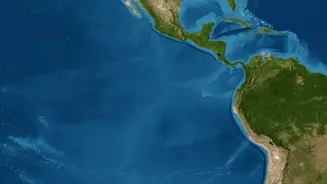
The ocean is Earth's great climate moderator. Covering over 70% of the planet's surface, it has absorbed more than 90% of the excess heat trapped by greenhouse gas emissions since the 1970s. Without this immense watery buffer, our atmosphere would have
warmed by a staggering amount, potentially making large parts of the planet uninhabitable. But this protective service comes at a cost. An average global sea surface temperature increase of about 0.13°C per decade may not seem like much, but the energy required to cause it is immense. This stored heat doesn't just sit there; it fundamentally changes the physics and chemistry of the ocean, triggering a cascade of dangerous effects.
Expanding Oceans and Rising Coasts
One of the most direct consequences of a warmer ocean is sea-level rise. This isn't just due to melting ice. A primary driver is a simple principle of physics: thermal expansion. As water heats up, it expands and takes up more space. Given the sheer volume of the world's oceans, even a slight temperature increase leads to a significant rise in sea level. This process is a major contributor to the rising waters threatening coastal communities globally. For a country like India, with over 7,500 kilometres of coastline, this poses a direct threat to millions of lives, homes, and critical infrastructure, as rising seas also lead to greater coastal erosion and saltwater contamination of freshwater sources.
Fueling More Powerful Storms
Warmer oceans act as fuel for tropical storms. Cyclones and hurricanes draw their energy from the heat stored in the upper layers of the ocean. A warmer sea surface provides more moisture and energy, allowing storms to form more quickly, become more intense, and last longer. Studies show a clear link between rising ocean temperatures in the North Indian Ocean and an increase in the intensity of severe cyclonic storms in both the Arabian Sea and the Bay of Bengal. These supercharged storms are capable of producing more extreme rainfall and devastating storm surges, leading to greater destruction when they make landfall.
Pushing Marine Ecosystems to the Brink
The heat is pushing marine life to its limits. One of the most visible impacts is mass coral bleaching. When water temperatures get just one degree too high for an extended period, corals expel the symbiotic algae living in their tissues, turning ghostly white. While they can recover from short bleaching events, prolonged heat leads to starvation and death, destroying habitats for countless other species. Beyond corals, warming waters force fish populations to migrate towards cooler poles, disrupting fisheries that feed millions. Furthermore, warmer water holds less dissolved oxygen, and human-caused nutrient runoff exacerbates this, creating vast, oxygen-depleted "dead zones" where most marine life cannot survive.
An Accelerant for Melting Ice
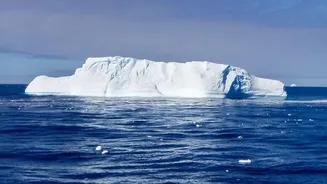
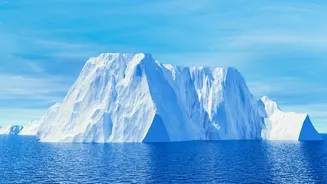
The impact of ocean warming extends to the coldest parts of our planet. While we often think of warm air melting glaciers from above, warmer ocean water is a key culprit in accelerating the melt from below. As warm ocean currents reach the polar regions, they erode the base of massive ice shelves in Greenland and Antarctica. This process destabilises the ice, causing it to melt faster and allowing glaciers on land to flow more quickly into the sea. This creates a dangerous feedback loop: warmer oceans melt more ice, and the resulting influx of freshwater further contributes to rising sea levels, compounding the problem.