



From Single-Use Splendor to Practical Investments
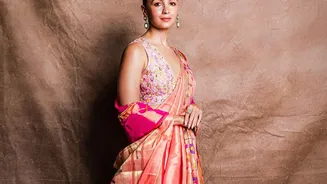
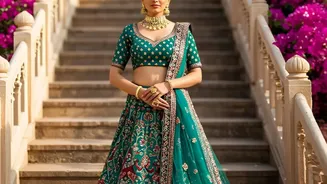
Not long ago, Indian festive wear was synonymous with single-use grandeur. A heavily embroidered lehenga or a silk saree was purchased for a specific wedding or festival, worn once, and then stored away, too precious or specific to be worn again. Today,
that mindset has been replaced by a more practical approach. Consumers, especially in the U.S. and other parts of the diaspora, are thinking about cost-per-wear. They want pieces that honor their heritage but also fit into their modern, global wardrobes. This has led designers to create clothing that is still beautiful and celebratory but far more adaptable. The new goal is to build a festive wardrobe around versatile, high-quality items that can be worn for years, rather than purchasing a new outfit for every single celebration.
The Power of Separates and Fusion Silhouettes
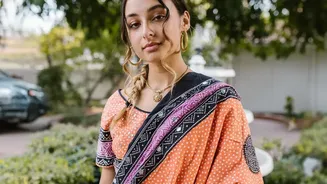
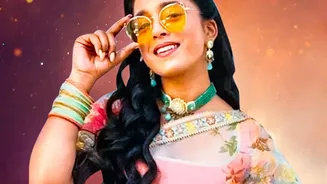
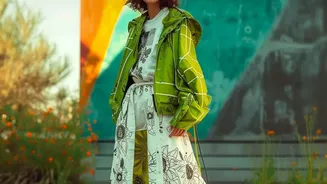
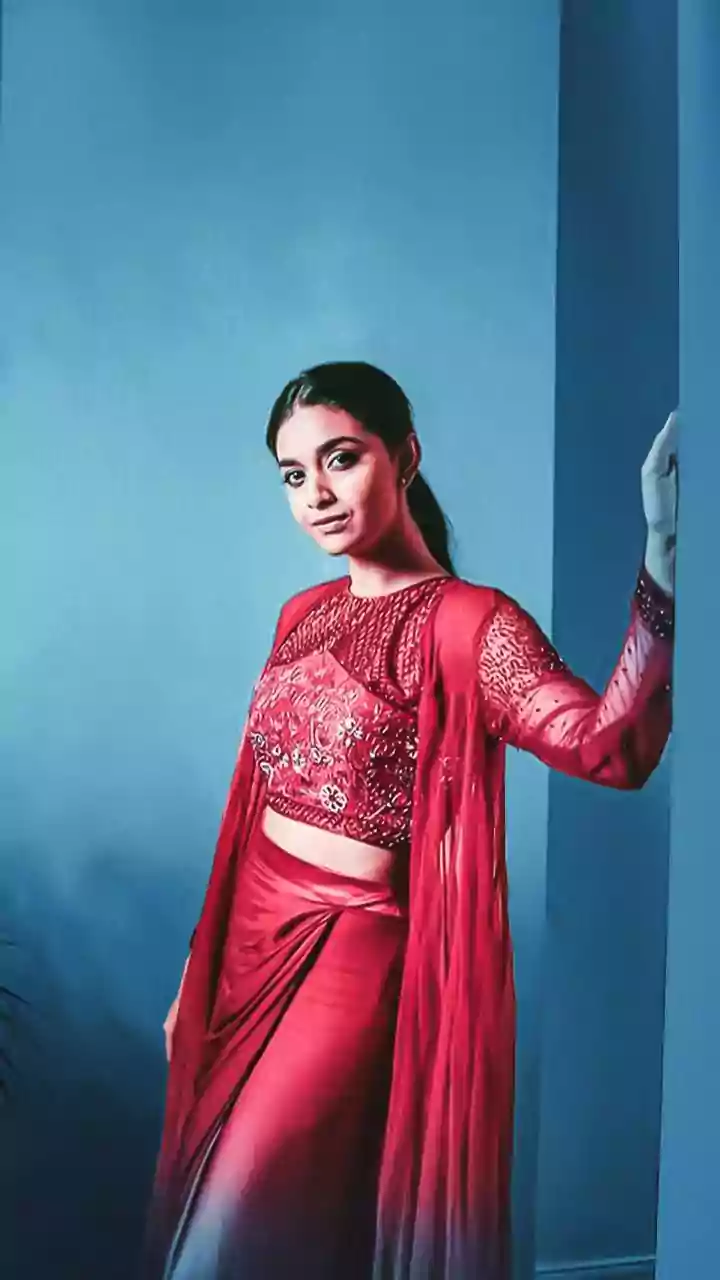
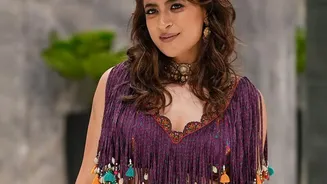
The single biggest driver of this versatility is the rise of separates and Indo-Western fusion. Instead of a traditional three-piece set, designers are offering modular components that can be mixed and matched. An embroidered crop top (choli) can be paired with its matching lehenga skirt for a wedding, but it can also be worn with tailored trousers or even jeans for a cocktail party. Likewise, pieces like sharara pants, dhoti pants, and long jackets are being designed to stand on their own. Capes, in particular, have emerged as a key trend, allowing the wearer to add drama to a simple outfit and create a layered look. This approach breaks down the barrier between “Indian” and “Western” closets, allowing for endless creative expression.
A Global Wardrobe for a Global Life
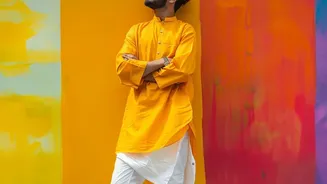
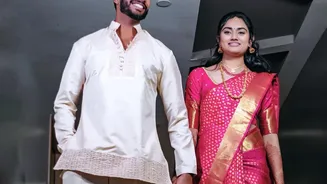
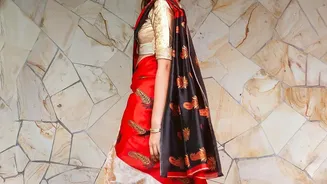
The Indian diaspora has had a massive influence on this trend. For those living outside of India, clothing is a powerful link to cultural identity, but it needs to be practical for a lifestyle that might include a corporate job, weekend brunches, and diverse social events. An outfit that can be styled for a Diwali party one night and a friend's birthday dinner the next holds immense value. Designers are responding with silhouettes, fabrics, and color palettes that feel globally relevant. You'll see traditional Indian handloom fabrics like Banarasi silk used for a modern blazer, or a classic kurta given a more architectural, minimalist cut. The result is clothing that feels culturally rooted yet effortlessly international.
The Rise of Conscious Consumption
Finally, the global movement toward sustainability is reshaping festive fashion. There's a growing awareness of the environmental and ethical costs of fast fashion, leading consumers to reject the idea of disposable occasion wear. People are now actively seeking out garments that are made to last, often from natural or handwoven fabrics like organic cotton, khadi, and Chanderi silk. This conscious mindset favors buying fewer, better things. A versatile, well-made outfit that can be restyled for multiple events is inherently more sustainable than a cheap, trendy piece destined for the landfill. By investing in timeless craftsmanship, consumers are choosing value and longevity over fleeting trends.