






Your Gut: A Bustling Inner City
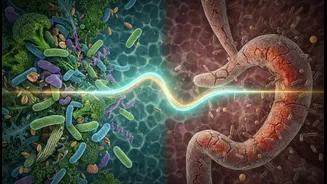
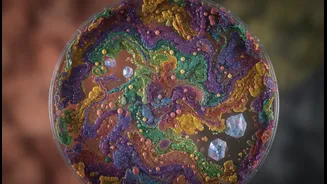
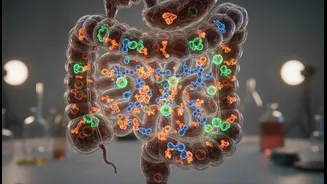
Imagine your gut not just as a digestive tube, but as a bustling, complex city populated by trillions of microorganisms. This community, known as the gut microbiome, is unique to you. It influences everything from your digestion and immunity to your mood.
Like any city, its residents have different needs and jobs. Some are peaceful citizens that help maintain order, while others can cause trouble if they become too numerous. The key to a healthy city is ensuring the good citizens are well-fed and thriving, and diet is the primary way we do that. A diverse and well-structured gut microbiota is critical for maintaining health.
The Fiber Freeway: Fuel for Friends
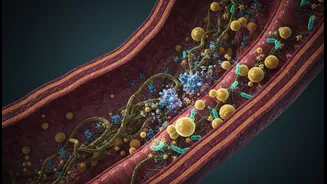
Dietary fiber, the indigestible part of plant foods like vegetables, fruits, whole grains, and legumes, is the preferred food source for many beneficial gut bacteria. Unlike other nutrients that are absorbed in the small intestine, fiber makes the long journey to the large intestine mostly intact. There, it becomes a feast for microbes. Bacteria ferment these fibers, producing beneficial compounds called short-chain fatty acids (SCFAs). These SCFAs, like butyrate, nourish the cells lining your colon, strengthen the gut barrier, reduce inflammation, and support your immune system. Different fibers are fermented differently; soluble fibers found in oats, apples, and beans are generally well-fermented, while insoluble fibers in whole wheat and nuts help with transit.
Protein and Fat: A Different Route
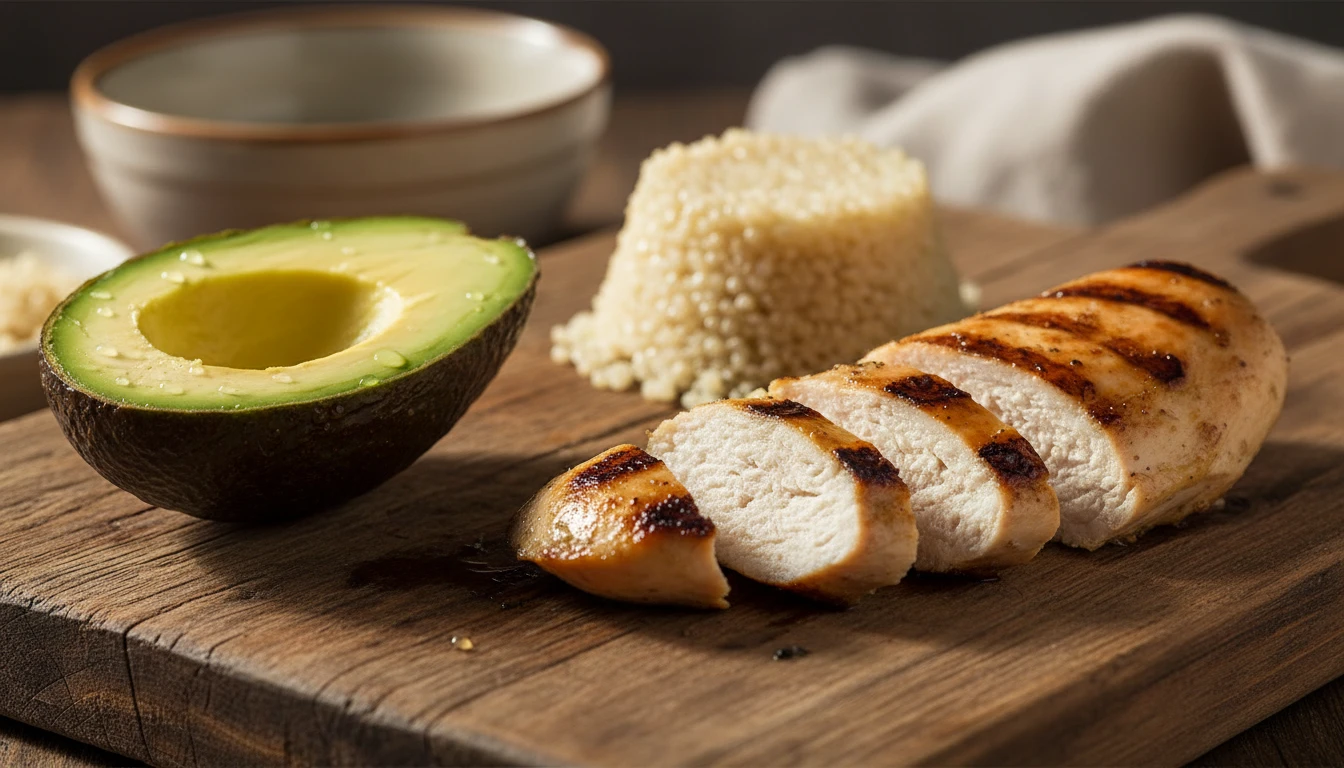
Most of the protein and fat we eat is broken down and absorbed in the small intestine, before it can reach the microbial metropolis in the colon. However, some does make it through, especially with high-protein diets. When this happens, a different set of microbes takes over. This process, called protein fermentation, isn't necessarily bad; it can also produce some beneficial compounds. However, it can also create byproducts like ammonia that, in excess, may be less friendly to the gut environment and can cause discomfort like bloating for some people. The balance is key; a diet that also includes plenty of fiber helps ensure carbohydrate fermentation remains the dominant, more beneficial process.
How Food is Made Matters
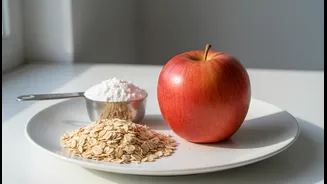
It's not just the ingredient, but its form that counts. The 'food matrix' — the physical and chemical structure of a food — plays a huge role in how nutrients are delivered to your gut. Think of a whole apple versus apple juice. The whole apple's fibrous structure protects its sugars and nutrients, slowing down digestion and allowing more of its components to reach the gut microbes. In contrast, the juice delivers a rapid-fire sugar hit to your small intestine, with little left for the colon. Ultra-processed foods often have their natural matrix completely dismantled. They are low in fiber and high in additives like emulsifiers, which can disrupt the microbial balance, reduce diversity, and potentially harm the gut's protective lining.
Nourishing Your Inner Garden
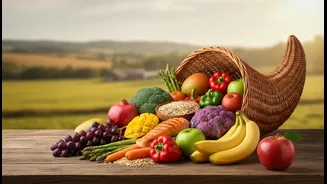
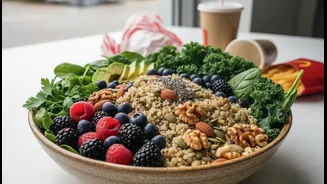
So, how do you apply this knowledge to your daily plate? The goal is to cultivate a diverse and resilient microbial garden. The single best advice is to increase dietary diversity. Aim to eat a wide variety of plant-based foods. One study found that people who ate 30 or more different types of plants per week had a more diverse microbiome than those who ate 10 or fewer. This doesn't have to be complicated. It can include spices, herbs, different dals, a variety of seasonal vegetables, and a mix of grains like millets, oats, and whole wheat. Also, consider fermented foods like dahi (yogurt), kefir, and kimchi, which can introduce new, beneficial microbes into your system and have been shown to increase microbial diversity.