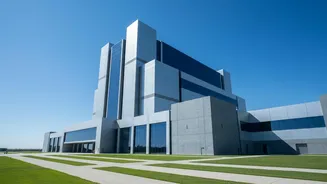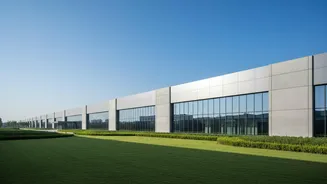







What Exactly Is an AI Gigafactory?
The term “gigafactory” might bring to mind sprawling battery plants, but in this context, it refers to something different: massive, large-scale data centers specifically designed for the enormous demands of artificial intelligence. These are not ordinary
data centers. An AI Gigafactory is a specialized facility packed with immense computing power, high-performance storage, and advanced networking capabilities, all optimized for developing, training, and running next-generation AI models. Think of them as industrial-scale foundries for creating powerful AI. The goal is to house hundreds of thousands of advanced AI processors, like GPUs, to handle the complex calculations needed to train frontier models with trillions of parameters. This infrastructure is vital for everything from generative AI development to complex simulations in science and industry.
A Push for Technological Sovereignty
The primary driver behind this initiative is Europe's urgent push for what it calls technological sovereignty. For years, the continent has found itself heavily reliant on non-EU companies, particularly from the United States, for the cloud services and advanced hardware essential for AI development. The AI Gigafactories are a direct answer to this dependency. The plan is to create a powerful, homegrown infrastructure that allows European startups, researchers, and industries to develop cutting-edge AI without relying on foreign platforms. This ensures that AI development within the bloc aligns with European values and regulations, such as the AI Act, which prioritizes data protection, safety, and ethics. By building its own capacity, the EU aims to foster a domestic AI ecosystem, from startups to large enterprises, and capture more of the economic value generated by the AI revolution.
The Scale of the Ambition
The project is a cornerstone of the EU's 'AI Continent Action Plan'. The call for tenders aims to establish up to seven gigafactories, a significant increase from the five initially planned. The financial commitment is substantial, targeting over €30 billion in combined investment. This includes up to €10 billion from EU and national public funds, which is intended to unlock at least €20 billion in private investment. The initiative is being managed by the European High Performance Computing Joint Undertaking (EuroHPC JU), with 18 member states already signed on to a joint procurement agreement. Consortia of companies, public entities, and investors can submit proposals, which can be located within a single country or spread across borders.
The Road to 2027 and Beyond
The timeline is aggressive. The call for bids closes in November 2026, with the winning projects expected to be announced in early 2027. This will allow construction to begin within that same year. Once contracts are signed, the selected gigafactories are expected to become operational within 18 months. However, significant challenges remain. While the EU is putting up public funds, a large portion of the total investment is expected to come from the private sector, and some of the promised EU funding depends on future budget agreements. Furthermore, there's a critical dependency at the heart of the plan: the specialized AI chips needed for these factories will largely be sourced from US companies like Nvidia, AMD, and Qualcomm, a reality the EU has acknowledged by signing letters of intent to ensure supply. Successfully navigating these financial and supply chain hurdles will be crucial to meeting the 2027 target and realizing Europe’s AI ambitions.