






Navigating a Turbulent Sky
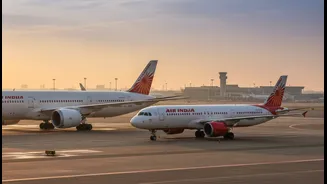
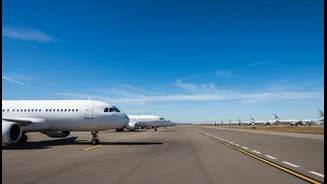
The external pressures on Air India are immense. Geopolitical conflicts have led to airspace closures, forcing longer, more fuel-intensive routes for critical flights to Europe and North America. This has been compounded by volatile oil prices, which
have spiked to their highest levels in years, dramatically increasing operational costs. For Indian carriers, where Aviation Turbine Fuel (ATF) already constitutes a significant portion of expenses, this pressure is acute. In response to this challenging environment, Air India, like other carriers, has had to make tough decisions, including temporarily rationalising some international routes over the summer to ensure operational stability and avoid last-minute disruptions for passengers.
The Vihaan.AI Blueprint in Action
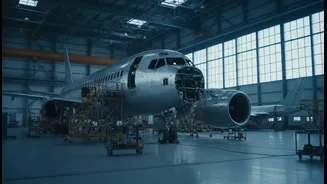
Despite these headwinds, the airline's transformation, dubbed 'Vihaan.AI', continues at a remarkable pace. This multi-year plan, initiated after the Tata Group's acquisition, is a root-and-branch overhaul of the carrier. A core pillar is the historic order for hundreds of new aircraft from Airbus and Boeing, designed to modernise the fleet completely. But the plan goes beyond new planes, involving a USD 400 million commitment to refurbish the existing fleet, a USD 200 million investment in new IT systems, the launch of a new loyalty program, and a complete revamp of the customer experience, from new cabin interiors to updated menus and redesigned staff uniforms.
New Planes, New Experience
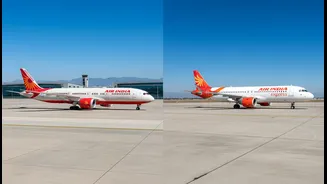
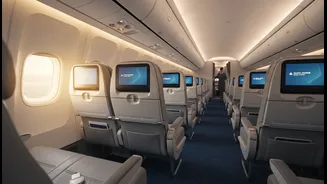
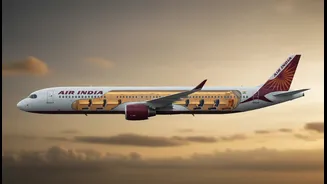
Passengers are now beginning to see and feel the difference. New and retrofitted aircraft are being steadily deployed across international and domestic routes. By mid-2026, all Air India flights between India and London Heathrow now feature new or upgraded cabins, a significant milestone. Key routes to Melbourne and Tokyo are also seeing new products, including the introduction of a coveted Premium Economy class and, on some routes, a return of First Class suites. The airline's first new Boeing 787-9 Dreamliners, with interiors designed from scratch for the new Air India, entered service in early 2026, marking a clear break from the past. By the end of 2026, the airline projects that more than half of its long-haul fleet will be modernised.
One Group, One Vision
A crucial and complex part of the transformation has been the consolidation of the Tata Group's various airline brands. The process saw the merger of low-cost carriers Air India Express and AIX Connect, followed by the integration of full-service airline Vistara with Air India in late 2024. This massive undertaking involved aligning everything from IT systems and vendor contracts to frequent flyer programs and, most importantly, thousands of employees. While the Vistara brand has been retired, Air India has committed to preserving its acclaimed service standards within the larger, unified entity, even designating former Vistara aircraft with a special code so customers know what to expect.
The Path Forward
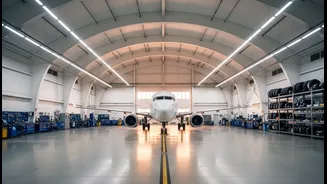
The transformation is far from complete, and challenges remain. Aircraft delivery schedules have been affected by global supply chain issues, and the financial headwinds from high fuel costs are real. However, the airline's leadership has affirmed that the long-term strategy is on track, with plans to restore most temporarily suspended flights from September 2026. The company has been hiring thousands of new staff, from pilots to cabin crew, and is building new training and maintenance facilities to support its future growth. The 'green shoots' are visible, with customer satisfaction scores, known as Net Promoter Scores (NPS), rising significantly, especially on the new aircraft.