

So, What Exactly Is Ube?
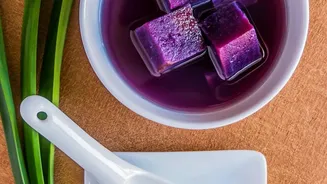
First things first, let's clear up what this trendy ingredient is. Ube, pronounced 'oo-beh', is a purple yam native to the Philippines. For centuries, it has been a staple in Filipino desserts, most famously in a jam-like pudding called ube halaya. Its
flavour is unique—a gentle, creamy sweetness with hints of vanilla, white chocolate, and pistachio. And no, that vivid purple hue isn't artificial; it comes from anthocyanins, the same powerful antioxidants found in blueberries, but in much higher concentrations. It’s important not to confuse it with taro, another root vegetable that can have purple flecks but is much starchier and has an earthier flavour.
The Café Stars: Ube Latte and Ube Matcha
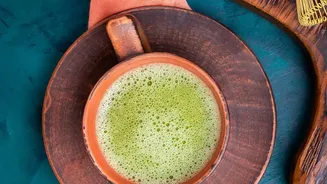
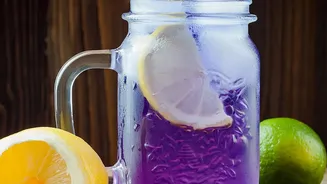
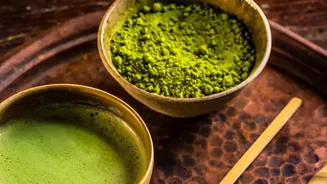
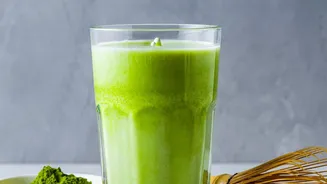
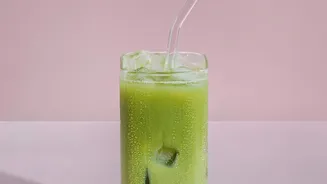
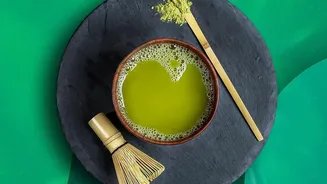
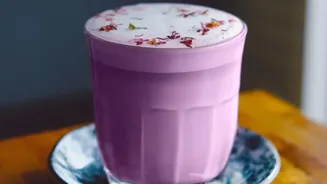
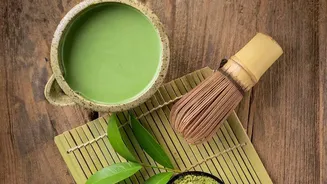
The two drinks leading the ube charge are the ube latte and the ube matcha. An ube latte typically combines ube extract or powder with milk (dairy or plant-based) and a sweetener, often with a shot of espresso. It's a creamy, dessert-like coffee alternative that is naturally caffeine-free unless coffee is added. The ube matcha is a modern, creative beverage that layers the sweet, nutty flavour of ube with the earthy, slightly bitter notes of Japanese matcha. The combination creates a balanced drink that is as visually stunning as it is flavourful, with distinct purple and green layers that have made it a social media sensation.
Driven by a Visual, Digital Culture
A huge part of ube's rapid ascent in India can be attributed to its photogenic nature. In an era where Instagram and TikTok feeds dictate dining trends, the brilliant, natural purple of ube is a guaranteed showstopper. Young, urban consumers are drawn to the novelty and visual appeal, and cafes are capitalizing on this by creating drinks that are not just tasty but also 'Gram-worthy'. Recent Google search data confirms this curiosity, showing that searches in India for 'ube', 'ube latte', and 'ube matcha' reached an all-time high in August 2026, with states like Telangana leading the interest.
A Sign of India’s Evolving Palate
The ube phenomenon isn’t happening in a vacuum. It's part of a much larger shift in the Indian food landscape. Urban consumers, particularly millennials and Gen Z, are more adventurous than ever, actively seeking out global flavours and novel culinary experiences. The growing interest in Filipino cuisine, alongside Korean and Japanese food, has paved the way for ingredients like ube to find a receptive audience. This trend aligns with a broader movement toward premiumisation, where consumers are willing to pay more for high-quality, authentic, and unique products. Ube fits perfectly into this new desire for exploration, offering a taste that is both exotic and accessibly sweet.
More Than Just a Pretty Drink?
While its colour gets the most attention, ube also comes with a 'health halo' that appeals to today's wellness-conscious consumer. As a root vegetable, it is a source of complex carbohydrates, fibre, vitamins, and minerals like potassium and Vitamin C. The anthocyanins that give ube its purple colour are potent antioxidants known for their anti-inflammatory properties. While an ube latte is still an indulgent treat, the fact that its base ingredient has perceived health benefits adds to its appeal, tapping into the major trend of functional beverages in the Indian market.