





A System on the Brink
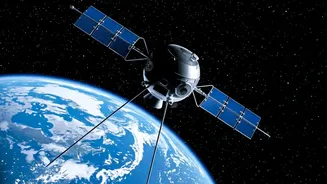
India's homegrown navigation system, NavIC (Navigation with Indian Constellation), is currently facing a critical challenge. Designed as a constellation of seven satellites, a series of age-related issues and a previous launch failure have left it with only
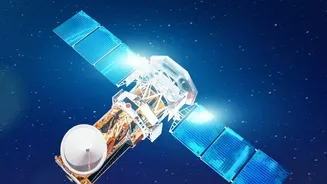
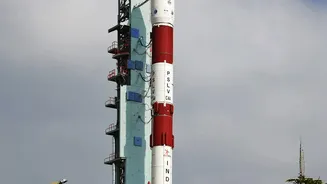
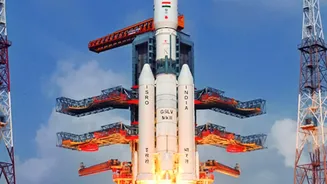
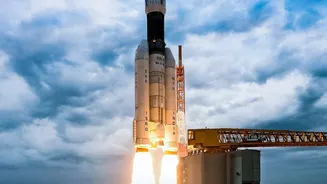
three operational satellites for positioning. For any satellite navigation system to accurately determine a three-dimensional position, it needs signals from a minimum of four satellites. This shortfall means NavIC's standalone positioning service is currently inactive, forcing India to rely entirely on foreign systems like the American GPS for both civilian and strategic needs. The upcoming launch of NVS-03, scheduled for October 2026, is therefore not a simple upgrade but a vital mission to restore the system's basic functionality.
The Strategic Imperative for Self-Reliance
The very existence of NavIC is rooted in a crucial strategic lesson. The need for an independent navigation system became painfully clear during the 1999 Kargil War, when India was reportedly denied access to critical GPS data by the United States. This experience highlighted the vulnerability of depending on a foreign-controlled service that could be restricted or degraded during a conflict. A sovereign system like NavIC ensures that India's defence forces have secure, encrypted, and uninterrupted access to positioning, navigation, and timing (PNT) services. This is essential for guiding missiles, coordinating troop movements, and navigating warships and aircraft, forming the backbone of modern military operations and ensuring strategic autonomy.
More Than Just a Fourth Satellite
While restoring the four-satellite minimum is the immediate goal, NVS-03 represents much more than a simple replacement. It's a second-generation satellite packed with significant technological upgrades that will enhance the entire NavIC ecosystem. One of the most important improvements is the inclusion of an indigenously developed Rubidium atomic clock. These clocks provide the ultra-precise timekeeping necessary for accurate positioning, and an Indian-made version reduces reliance on foreign components that have been a point of failure in older satellites. Furthermore, with a planned operational life of twelve years, NVS-03 is built for greater longevity than its predecessors.
The L1 Band: A Game-Changer for Adoption
The single most significant upgrade in the NVS-03 satellite is the introduction of a new signal in the L1 frequency band. This is the same band used by the majority of civilian navigation devices and smartphones across the globe, including for GPS. The original NavIC satellites broadcasted on the L5 and S bands, which required devices to have special, more expensive chipsets to receive their signals. By adding the L1 band, NVS-03 makes NavIC interoperable and easily accessible for mass-market consumer electronics. This change dramatically lowers the barrier for smartphone manufacturers, wearable tech companies, and IoT device makers to integrate NavIC, paving the way for it to become a standard feature in devices sold across India.
From National Security to Your Smartphone
The success of NVS-03 will bring dual benefits that span from the highest levels of national security to the palm of your hand. For the armed forces, it means the restoration of a secure and reliable navigation tool that guarantees operational independence. For civilians, the rejuvenated and upgraded NavIC promises a more robust and accurate navigation experience. With its unique satellite geometry focused on the Indian region, NavIC is designed to provide strong signal availability in dense urban canyons and remote rural areas where GPS signals can sometimes struggle. This means more reliable directions from mapping apps, better tracking for logistics and public transport, and enhanced safety alerts for fishermen at sea.