
Why Ragi Deserves a Spot in Your Pantry
Before we dive into the recipes, let's understand why ragi, or finger millet, is so highly regarded. This ancient grain, cultivated in India for thousands of years, is a nutritional powerhouse. It is exceptionally rich in calcium, containing 5-30 times
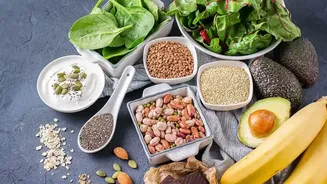
more than other cereals, making it fantastic for bone health. It's also a great source of iron, which can help in managing anaemia. For those watching their weight, the high dietary fibre content in ragi keeps you feeling full for longer, helping to reduce overall calorie intake. The grain is naturally gluten-free and packed with essential amino acids, which are the building blocks of protein. With a lower glycemic index compared to wheat and rice, it releases sugar into the bloodstream more slowly, making it a favourable option for managing blood sugar levels.
Tips for Cooking with Ragi
Working with ragi flour can be different from using wheat flour. Its lack of gluten means it doesn't bind as easily, and some find its taste too earthy or its texture gritty. However, a few simple tricks can make all the difference. Roasting the flour on a low flame for a few minutes before use can remove its raw taste and impart a nutty aroma. When making dough for rotis or flatbreads, always use hot water. This helps release the starches in the flour, resulting in a softer, more pliable dough that's easier to roll. To avoid lumps in porridges or batters, first make a smooth paste with the ragi flour and a small amount of cold water before adding it to hot liquids. For recipes like dosas, combining ragi flour with rice flour or semolina can improve the texture and flavour.
Breakfast Power-Up: Instant Ragi Dosa
Kickstart your day with a quick and healthy dosa. This instant version requires no fermentation. In a bowl, mix half a cup of ragi flour, a quarter cup of rice flour, and two tablespoons of fine semolina (rava). To this, add finely chopped onions, green chillies, ginger, and coriander leaves. Season with salt and cumin seeds. Gradually add about two cups of water while whisking to create a thin, free-flowing batter without lumps. Let the batter rest for 15 minutes. Heat a tawa until it's very hot, then pour the batter from a height to create a lacy, crisp dosa. Drizzle a little oil around the edges and cook on medium-high heat until golden and crisp. Serve hot with your favourite chutney.
The Comforting Classic: Ragi Mudde
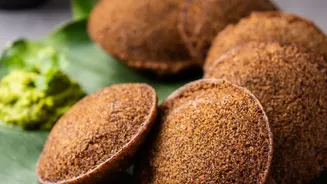
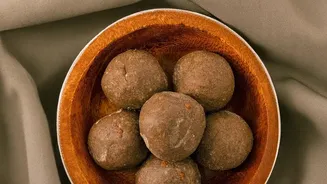
A staple in Karnataka, Ragi Mudde (or millet balls) is a wholesome and filling meal, traditionally served with a flavourful sambar or curry. To prepare it, start by making a lump-free slurry with two tablespoons of ragi flour and a quarter cup of water. In a heavy-bottomed pan, bring about two cups of water to a boil with a pinch of salt and a few drops of ghee or oil. Pour the ragi slurry into the boiling water, stirring continuously until it thickens slightly and turns glossy. Now, reduce the heat to low and add one cup of ragi flour, allowing it to sit for a minute before mixing vigorously with a wooden spatula to form a cohesive dough. Cover and cook on low heat for 2-3 minutes. Once done, let it rest briefly before shaping into smooth balls with wet hands.
Wholesome Flatbread: Soft Ragi Roti
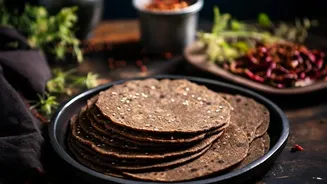
These soft, gluten-free rotis are a fantastic alternative to wheat chapatis. The secret is using hot water. In a pan, bring one cup of water to a rolling boil with a pinch of salt and a teaspoon of oil. Turn off the heat and immediately add one cup of ragi flour. Mix quickly with a spoon until the flour and water are combined. Cover the pan and let it rest for 10 minutes. While the dough is still warm, knead it for a few minutes until it becomes smooth and pliable. Divide the dough into small balls, dust them with ragi flour, and roll them out gently into rotis. Cook on a hot tawa, flipping both sides until cooked through. You can serve them soft or puff them up on an open flame.
A Simple Sweet Treat: Ragi Halwa
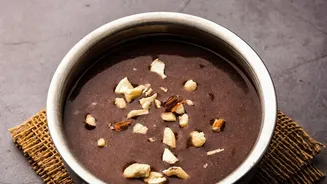
For a nutritious dessert, ragi halwa is an excellent choice. It’s simple to make and can be sweetened with jaggery or sugar. In a heavy pan, heat two to three tablespoons of ghee and roast half a cup of ragi flour on low heat for 4-5 minutes until it smells nutty and toasted. In a separate pot, heat one and a half cups of milk (or water) and dissolve a quarter cup of jaggery or sugar in it. Carefully pour the hot, sweet liquid into the roasted ragi flour, stirring vigorously to prevent lumps. Continue cooking on a medium flame, stirring constantly. The mixture will thicken and start to pull away from the sides of the pan. Add a pinch of cardamom powder and some roasted nuts for extra flavour and crunch before serving warm.