




A Summer of Unprecedented Fire
Across France, from the tourist-heavy coasts of the southwest to the forests near Paris, a record-breaking fire season is leaving a trail of destruction. The Interior Ministry confirmed that over 115,000 hectares have burned since the start of 2026, a figure
that eclipses previous years. The southwestern Gironde region, near Bordeaux, has been particularly hard-hit, with tens of thousands of hectares destroyed and massive evacuations ordered. At the peak of the crisis, hundreds of thousands of residents and tourists were forced to flee their homes and campsites, in what has become one of France's largest peacetime evacuations. French Interior Minister Laurent Nuñez described the situation as exceptional, with the nation battling dozens of new fires daily.
The Rise of the 'Mega-Wildfire'
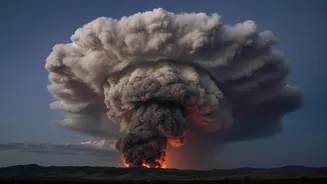
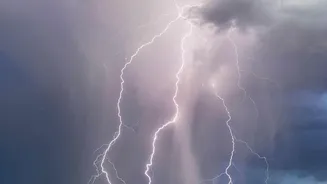
Experts are clear that these are no ordinary blazes. The fires in France have been described as "mega-fires," a term for intensely burning wildfires that spread rapidly and are incredibly difficult to control. Some of these fires have become so powerful that they generate their own weather systems, creating terrifying phenomena known as pyrocumulonimbus clouds, or "fire thunderstorms." These clouds can produce lightning and erratic, strong winds, which in turn can ignite new fires miles away, making containment efforts almost impossible. This extreme fire behavior, previously associated more with North America or Australia, signals a dangerous new reality for Europe as the climate crisis worsens.
A Perfect Storm of Climate Factors
A combination of extreme weather events, supercharged by climate change, has created the ideal conditions for these fires. France, like much of Western Europe, has been battered by successive heatwaves throughout the summer, with temperatures reaching 40°C. This intense heat, combined with a prolonged and severe drought, has left vegetation tinder-dry and highly combustible. Scientists point to a "whiplash effect": an unusually wet winter led to lush vegetation growth, which then dried out completely during the record-breaking heat, turning forests into a massive reserve of fuel. Prime Minister Sebastien Lecornu and various climate scientists have directly linked the severity of the season to global warming.
An All-Out National and European Response
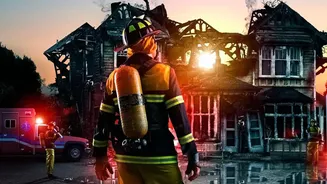
The scale of the crisis has prompted a monumental response. More than 2,200 French firefighters have been mobilized, working around the clock in exhausting conditions. The French military has also been deployed, providing soldiers for logistical support and using specialized equipment, including an A400M military transport plane converted into a water-bomber. Facing overwhelmed resources, France activated the European Union's Civil Protection Mechanism. In a show of solidarity, multiple EU nations including Croatia, Portugal, Germany, Sweden, and others have sent firefighting planes, helicopters, and personnel to aid the effort. This coordinated international response highlights the shared threat that climate-driven disasters pose to the entire continent.
The Lasting Economic and Social Scars
The impact of these fires will be felt long after the flames are extinguished. The economic consequences are immense, hitting key sectors like tourism, agriculture, and industry. In the Gironde region, thousands of businesses have been disrupted, and vital industries, including aviation and defense contractors like Dassault and Airbus, faced evacuations and operational suspensions. The famous wine-growing region of Bordeaux faces an uncertain future, and the timber industry in the vast Landes de Gascogne forest has been severely affected. Beyond the economic toll is the human one: the trauma of evacuation, the loss of homes and livelihoods, and the health impacts of widespread smoke pollution, which poses a serious risk to public health.