







The Core Philosophy: Mat Pilates
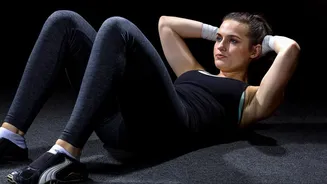
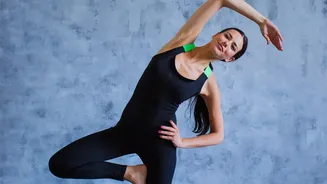
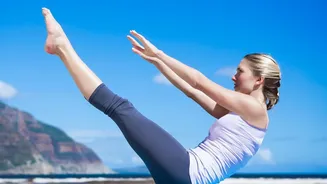
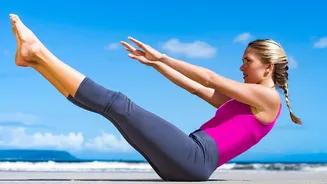
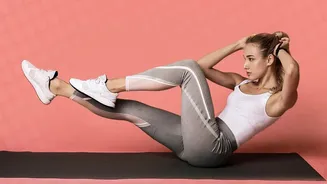
Mat Pilates is a low-impact form of exercise that emphasizes core strength, flexibility, and conscious breathing. Developed by Joseph Pilates, its movements are controlled, precise, and performed on a mat using your own body weight as resistance. The
primary goal is to build deep stabilising muscles, particularly in the abdomen and back, which act as the body's centre of power. This focus on the 'powerhouse' improves posture, balance, and body awareness, creating a look that is often described as long and lean. By connecting mind and body through concentration and breath, Pilates enhances functional movement for everyday life.
The Core Philosophy: Dynamic Circuit Training
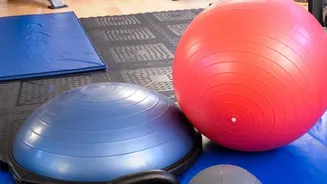
Dynamic circuit training is a high-energy workout style that involves performing a series of different exercises in quick succession with minimal rest in between. It combines strength training with cardiovascular exercise, targeting multiple muscle groups for an efficient, full-body challenge. A typical circuit might include a mix of squats, push-ups, lunges, and planks, performed for a set number of repetitions or a specific time. The main objective is to keep your heart rate elevated, which improves cardiovascular health, boosts endurance, and maximizes calorie burn.
For Building Strength and Muscle
When it comes to building significant muscle mass, or hypertrophy, circuit training generally has the edge. By incorporating resistance exercises, often with weights, and pushing muscles to fatigue, it creates a greater demand for muscle growth. Pilates, on the other hand, excels at building functional strength and muscle endurance. It targets the deep, stabilizing muscles that are often overlooked in traditional strength workouts, leading to improved core stability and control. So, while circuit training is better for sculpting larger muscles, Pilates is superior for creating integrated, whole-body strength from the inside out.
For Calorie Burn and Weight Loss
If maximum calorie burn is your primary goal, dynamic circuit training is the more effective option. Its high-intensity nature keeps the heart rate consistently high, burning significantly more calories per session than a typical mat Pilates class. Some studies show circuit training can burn more than double the calories of a basic Pilates workout. Furthermore, the intensity can lead to an 'afterburn' effect, where your metabolism remains elevated for hours post-exercise. While Pilates does burn calories and can contribute to weight loss when paired with a healthy diet, its lower-intensity nature means the caloric expenditure is more moderate.
For Flexibility, Posture, and Injury Prevention
This is where Pilates truly shines. The practice is built around improving flexibility, mobility, and posture. Its controlled movements lengthen muscles and increase range of motion in the joints, helping to correct postural issues like slouching or rounded shoulders caused by a sedentary lifestyle. Because it is low-impact and focuses on strengthening the deep supportive muscles around the spine and joints, it's an excellent tool for both injury prevention and rehabilitation. While circuit training can improve flexibility if stretching is included, its high-impact, fast-paced nature can sometimes carry a higher risk of injury if not performed with proper form.
The Verdict: Which is Right for You?
Ultimately, the choice between mat Pilates and dynamic circuit training depends entirely on your personal fitness goals, preferences, and current fitness level. If you're looking to build significant muscle, burn a high number of calories in a short amount of time, and love a fast-paced, high-energy workout, dynamic circuit training is likely your best bet. If your focus is on improving core strength, enhancing flexibility and posture, building body awareness, and prefer a low-impact, controlled workout, then mat Pilates is the clear winner. Many fitness experts agree that an ideal routine might actually include both; using circuit training for cardio and strength, and Pilates for core stability, flexibility, and active recovery.