





The Hydration Showdown Begins
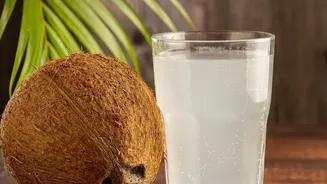
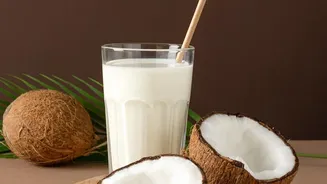
Coconut water, often called nature's sports drink, and buttermilk, a traditional digestive coolant, are staples in Indian households. While one is the clear, sweet liquid from young green coconuts, the other is a fermented dairy drink, the liquid left
after churning butter. Both promise to refresh and replenish, but they work in very different ways. Understanding their unique properties is key to choosing the right drink for the right occasion, moving beyond simple preference to make an informed health choice.
Nutritional Profile: A Tale of Two Drinks
On the surface, both seem light, but their nutritional contents tell a different story. Coconut water is remarkably low in calories, with about 18-46 calories per cup, consisting mostly of natural sugars and minerals. Buttermilk, on the other hand, contains more calories, around 98 per cup, but it also provides a significant amount of protein, calcium, and B vitamins that coconut water lacks. While coconut water is fat-free, buttermilk contains some fat, though it's typically lower than regular milk. The choice here depends on your goal: low-calorie hydration or a more nutritionally rounded, filling beverage.
The All-Important Electrolytes
When you sweat, you lose more than just water; you lose essential minerals called electrolytes. This is where coconut water truly shines. It is exceptionally rich in potassium, a key electrolyte for fluid balance, and also contains sodium, magnesium, and calcium. This makes it an excellent choice for rapid rehydration after exercise or exposure to intense heat. Buttermilk also provides electrolytes like potassium and, crucially, often contains more sodium, especially when prepared traditionally with salt. This added sodium can be more effective at replacing what's lost during heavy sweating.
Beyond Hydration: Gut Health and Digestion
This is where buttermilk takes a decisive lead. As a fermented product, buttermilk is a fantastic source of probiotics—the beneficial bacteria that support a healthy gut. These probiotics aid digestion, can help prevent issues like bloating and acidity, and support the immune system. This is why a glass of chaas after a meal is a long-standing tradition. Coconut water is gentle on the stomach and contains enzymes that can aid digestion, but it does not offer the powerful probiotic benefits of buttermilk.
When to Drink Which?
The best way to use these drinks is to match them to the situation. Think of coconut water for quick, light hydration and an electrolyte boost. It's ideal on an empty stomach, before a workout, or after spending time in the sun. Its natural sugars provide a quick energy source without being a heavy, processed sports drink. Buttermilk is the perfect post-meal drink. Its probiotic qualities help digest your food, while its cooling nature soothes the stomach. Thanks to its protein and balanced nutrients, it's also a more sustaining drink, making it a great afternoon pick-me-up.
The Verdict: A Place for Both
So, which drink wins? The story actually shows that it’s not a competition with a single winner. The best approach is to see them as complementary tools in your hydration toolkit. Coconut water is the champion of rapid electrolyte replenishment, perfect for post-activity recovery. Buttermilk is the hero of digestive health and sustained, cooling nourishment. It offers a more complex nutritional profile with protein and probiotics, making it a valuable part of a daily diet. For everyday hydration, alternating between the two may provide the most comprehensive benefits, giving your body the specific support it needs, exactly when it needs it.