




Understanding In-Flight Turbulence
Turbulence is essentially irregular air movement that can cause a bumpy ride. It’s created by various conditions, including atmospheric pressure, jet streams, weather fronts, or air moving around mountains. Pilots group it into several categories. Thermal
turbulence is caused by warm air rising, while mechanical turbulence happens when terrain or buildings disrupt airflow. Frontal turbulence occurs where two different air masses meet. The most unpredictable type is Clear-Air Turbulence (CAT), which happens without any visible warning signs like clouds and can surprise even experienced pilots. While aircraft are built to withstand even severe turbulence, the main danger is to people and objects not secured inside the cabin.
A Bumpier Future?
Scientists have noted an increase in turbulence, particularly the hard-to-predict clear-air variety. Emerging research links this trend to climate change. Studies suggest that changes in atmospheric temperature are increasing wind shear within the jet streams — fast-flowing air currents where many planes fly. One study found that severe clear-air turbulence has already increased significantly over busy routes like the North Atlantic. Projections indicate that the frequency of turbulence strong enough to cause injuries could double or even triple by the end of the century, making passenger preparedness more important than ever.
The Single Most Effective Safety Measure
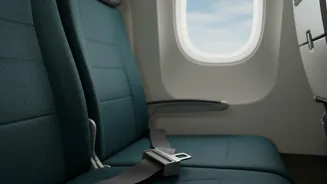
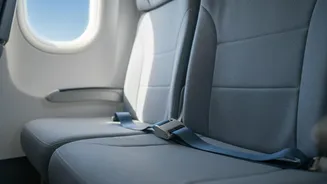
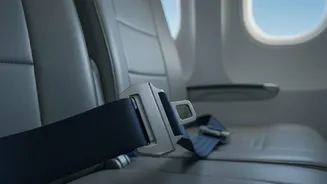
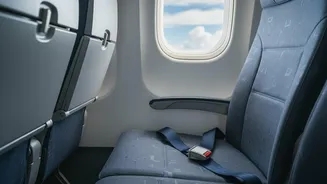
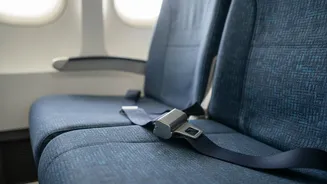
The simplest and most crucial step to prevent injury is to keep your seatbelt fastened whenever you are seated. Aviation authorities like the FAA and safety experts agree this is the best defense against unexpected jolts. During the recent Air India incident, as with many others, injuries were primarily sustained by those not secured in their seats when the plane dropped altitude. Even when the seatbelt sign is off, it’s a wise habit to keep it buckled. Flight attendants are trained for safety, and their instructions to buckle up should always be followed immediately.
Stow, Secure, and Sit Smart
Beyond the belt, a few other measures can enhance your safety. Ensure all your carry-on luggage is properly stowed in the overhead bin or under the seat in front of you. Items left in seat-back pockets, on laps, or on empty seats can become dangerous projectiles during severe turbulence. When moving about the cabin, it’s helpful to hold on to seat backs for stability in case of a sudden lurch. While there's no perfectly smooth spot, seats over the wings tend to experience slightly less movement, as they are closer to the aircraft's center of gravity.
Staying Calm When the Cabin Shakes
A sudden drop or violent shaking can be frightening, but remember that pilots are highly trained to manage these situations. The aircraft is designed to handle these forces. Pay close attention to announcements from the flight crew; they are your best source of information and instruction. If you are a nervous flyer, focus on your breathing and try to remain calm. Panicking can increase your sense of disorientation. Understanding that the physical structure of the plane is not in danger can help you manage the anxiety of the experience.