







A New Era of High-Speed Connectivity
The Delhi-Panipat-Karnal corridor is a planned semi-high-speed rail line, part of the broader Regional Rapid Transit System (RRTS) designed to better integrate the NCR. This ambitious project, now often referred to as Namo Bharat, aims to connect Delhi with
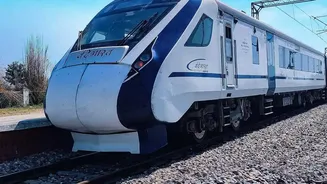
the crucial Haryana cities of Sonipat, Panipat, and Karnal, which lie along the busy National Highway 44. The goal is to provide a fast, reliable, and modern public transport alternative to road and conventional rail travel. With trains designed to operate at speeds of 160 km/h, the corridor is expected to dramatically reduce commute times, making the journey from Delhi to Karnal possible in about 90 minutes, down from the current three to four hours. This leap in efficiency is poised to have a significant impact on daily commuters, businesses, and regional development.
Tracing the Proposed Route and Stations
The corridor is set to be approximately 136.3 km long, starting from Sarai Kale Khan in Delhi. This starting point is a strategic multi-modal hub, allowing for seamless interchange with other Namo Bharat lines like Delhi-Meerut, as well as the Delhi Metro, Indian Railways, and the Inter-State Bus Terminus. From there, the line will proceed north with a total of 22 proposed stations. Key stops within Delhi include Kashmere Gate and Mukarba Chowk, before the corridor enters Haryana. In Haryana, the alignment includes stations at crucial locations like Kundli, Rajiv Gandhi Education City in Sonipat, Samalkha, and multiple stops in Panipat before terminating in Karnal. Most of the stations are planned to be elevated, running parallel to NH-44, which simplifies land acquisition and construction.
Integrating with Haryana’s Broader Vision
The headline's mention of a 'Haryana Transit Link' refers to the project's integration with the Haryana Orbital Rail Corridor (HORC). The HORC is another significant infrastructure project designed to connect Palwal to Sonipat, bypassing Delhi. The Namo Bharat line is expected to intersect with the HORC near Kundli, creating a powerful synergy between the two networks. This integration means that passengers and freight can move between key industrial and residential zones within Haryana without needing to transit through the congested core of Delhi. This strategic link is crucial for promoting balanced regional development and enhancing logistics, connecting major industrial centres like Manesar, Sohna, and Kharkhoda more efficiently.
Economic Ripple Effects and Urban Growth
The impact of the Delhi-Panipat-Karnal corridor extends far beyond just transportation. The project is expected to be a major catalyst for economic growth and real estate development along its path. The Haryana government has embraced this potential by including the corridor under its Transit-Oriented Development (TOD) policy. This policy encourages denser residential, commercial, and mixed-use development around the new stations, which can help in planned urbanisation and generate revenue for the project. With faster and more convenient access to Delhi, cities like Sonipat and Panipat are becoming increasingly attractive for homebuyers and professionals looking for more affordable housing options. This shift is expected to stimulate demand for schools, healthcare facilities, and retail infrastructure in these growing urban centres.
Project Status and the Road Ahead
As of late 2026, the Delhi-Panipat-Karnal Namo Bharat corridor has achieved several key milestones. The project, estimated to cost over ₹33,000 crore, has received approvals from the Haryana government and the National Highways Authority of India (NHAI). The Haryana government has committed its share of the funding. Preliminary work, such as utility shifting and soil testing, has reportedly begun on some stretches of the route. The project is currently awaiting final sanction from the Union Cabinet. Once all approvals are in place and construction begins in full swing, the targeted completion for this transformative project is set for 2030, heralding a new chapter in regional connectivity for Haryana and the broader NCR.