



The Danger of Concentrated Oils
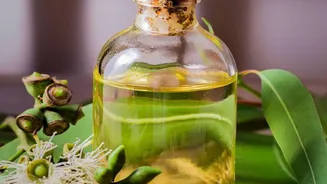
Essential oils are not like cooking oils; they are highly concentrated plant extracts. Eucalyptus oil contains a potent compound called 1,8-cineole (or eucalyptol), which gives it its characteristic aroma and therapeutic properties. However, this same
compound is toxic if ingested in concentrated form. The body absorbs these oils rapidly, and even a small amount can lead to poisoning, particularly in children who are far more susceptible. As little as 2-3 millilitres can cause significant symptoms in a child, while ingesting 5 ml is associated with severe toxicity, including loss of consciousness. For adults, amounts as low as 4-5 ml have proven fatal. Despite these documented risks, public awareness often remains low.
Recognising the Signs of Poisoning
Symptoms of eucalyptus oil poisoning can appear very quickly, sometimes within 10 to 30 minutes of ingestion. Initial signs often include a burning sensation in the mouth and throat, abdominal pain, nausea, and vomiting. This can rapidly progress to more serious neurological effects like dizziness, confusion, muscle weakness, and slurred speech. In severe cases, or with larger ingestions, symptoms can include seizures, difficulty breathing, a drop in blood pressure, and coma. Seizures are particularly common in children who have accidentally ingested the oil. It is critical to recognise these symptoms as a medical emergency.
The Golden Rules of Safe Storage
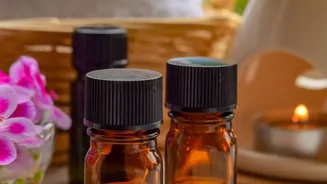
Preventing accidental ingestion is straightforward with proper storage habits. The primary goal is to keep the oil away from anyone who might not understand its risks, especially children and pets. Always store eucalyptus oil and other essential oils in their original amber or dark-coloured glass bottles, which protect them from light that can degrade the oil. Keep the cap screwed on tightly and store the bottle in a cool, dark place like a high cabinet or a locked box. Never store essential oils near food, drinks, or medicines to avoid dangerous mix-ups. Storing bottles out of sight and reach of children is the most important step you can take to prevent a tragic accident.
Beyond Storage: Safe Usage Practices
Safe use is just as important as safe storage. Eucalyptus oil should never be ingested or taken by mouth. Its intended uses are primarily aromatic (in a diffuser) or topical. For skin application, it must be diluted with a carrier oil like coconut or jojoba oil to prevent burns and irritation. Even when diffusing, ensure the room is well-ventilated and never leave a diffuser running for extended periods in an enclosed space, especially around children or pets. The steam from a vaporiser can also be an ingestion risk for curious children, so keep units out of reach. Think of essential oils as powerful substances to be respected, not casually consumed.
What to Do in an Emergency
If you suspect someone has ingested eucalyptus oil, act immediately. Call your local poison control centre or seek emergency medical help right away. Have the essential oil bottle on hand so you can provide information on the specific product and concentration. Do not try to make the person vomit, as this can cause the oil to enter the lungs and lead to severe inflammation or breathing problems. Do not give them anything to drink unless advised to by a poison control expert. If the person is unconscious or having a seizure, call for an ambulance immediately. Quick and correct action is critical.