



The Search for Serenity
In an age of over-tourism, the desire for a quiet moment with nature has become a travel goal in itself. Iceland, a country defined by its dramatic landscapes, draws millions. Yet, the experience of standing before a thundering cascade can be diminished
by a sea of selfie sticks. The real magic isn't just seeing a waterfall; it's hearing it, feeling its spray, and experiencing its power without distraction. This is why seeking out the quieter stops matters. It transforms a trip from a checklist of sights into a collection of meaningful moments.
Beyond the Famous Golden Circle
Most visitors stick to a well-trodden path, particularly the Golden Circle route, home to the magnificent but often packed Gullfoss. While stunning, it's just one of over 10,000 waterfalls on the island. The key to finding peace is to venture beyond the most accessible locations. This doesn't mean you have to skip the icons, but understanding that they represent only a fraction of what's available is the first step. Exploring regions like the Westfjords or the North reveals a different side of Iceland, one where the journey itself becomes part of the adventure and the rewards are landscapes you might have all to yourself.
Gems Worth the Extra Effort
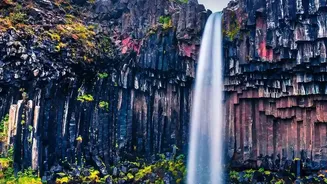
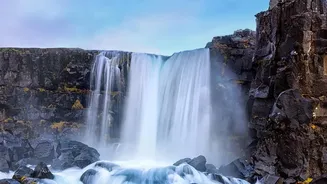
For true solitude, some waterfalls require a bit more commitment. Dynjandi, the largest waterfall in the Westfjords, is a remote, tiered cascade often described as one of Iceland's most impressive. Its distance from Reykjavík naturally thins the crowds. Aldeyjarfoss in North Iceland is another spectacular option, framed by unique black basalt columns. Reaching it involves driving on an F-road, which typically requires a 4x4 vehicle, filtering out many casual tourists. Closer to the Golden Circle, Brúarfoss, known as 'Iceland's bluest waterfall,' was once a hard-to-find secret. While a new car park has made it more accessible, you can still opt for the longer, quieter 7-kilometer round-trip hike along the river, passing two smaller falls along the way.
The Simple Art of Timing
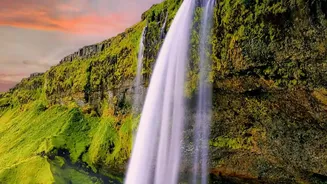
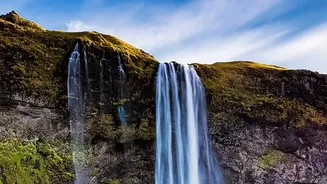
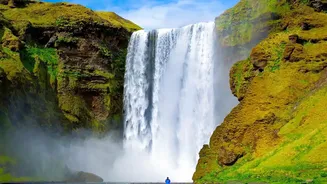
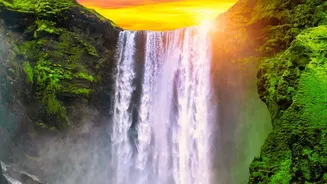
Even Iceland's most popular waterfalls can be enjoyed in peace. The key is timing. Most tour buses and crowds arrive between 10 a.m. and 4 p.m. Visiting marquee falls like Skógafoss and Seljalandsfoss on the South Coast either early in the morning (before 9 a.m.) or later in the evening can completely change the experience. During summer, the midnight sun offers extended daylight, making a 9 p.m. visit not only possible but often magical, with warmer light and fewer people. Visiting in the shoulder seasons, like September and October, also means fewer tourists and the return of the Northern Lights. For Seljalandsfoss, traffic data shows the road is quietest before 9 a.m.
Finding Quiet Near the Crowds
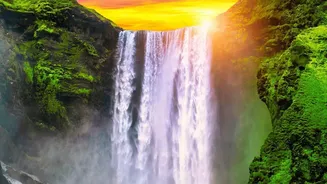
Sometimes, serenity is hiding in plain sight. Many visitors to the famous Skógafoss stop at the base, take a photo, and leave. By climbing the staircase beside the falls, you can access a trail leading to a series of smaller, less-visited waterfalls upstream. Just a short walk from the bustling Seljalandsfoss is the hidden gem Gljúfrabúi, tucked away inside a narrow canyon. Similarly, near Skógafoss is Kvernufoss, a beautiful waterfall often missed by those rushing along the Ring Road, offering a chance to walk behind the water with a fraction of the crowds found at its famous neighbor.