



More Than a Seasonal Staple
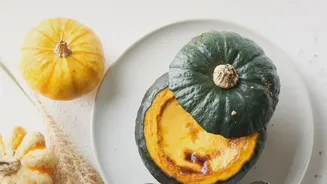
Before diving into the sensory details, it’s worth remembering why pumpkin is such a powerhouse breakfast ingredient in the first place. It is packed with nutrients that set you up for the day. Pumpkin is an excellent source of fibre, which aids digestion
and promotes a feeling of fullness, helping to prevent a mid-morning slump. It's also rich in beta-carotene, which the body converts to Vitamin A, an essential nutrient for immune support and eye health. Furthermore, it contains a good amount of Vitamin C, potassium, and antioxidants, making it a genuinely beneficial addition to your morning routine. A one-cup serving of cooked pumpkin is low in calories but high in these essential vitamins and minerals, providing a nutritious base for any breakfast.
The Common Texture Trap
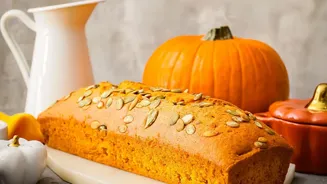
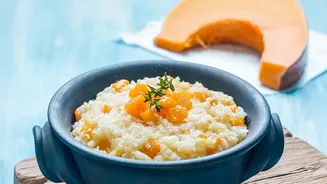
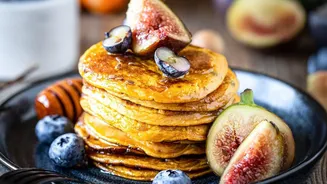
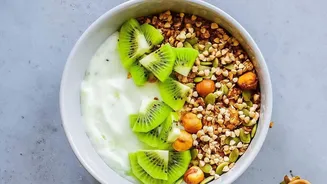
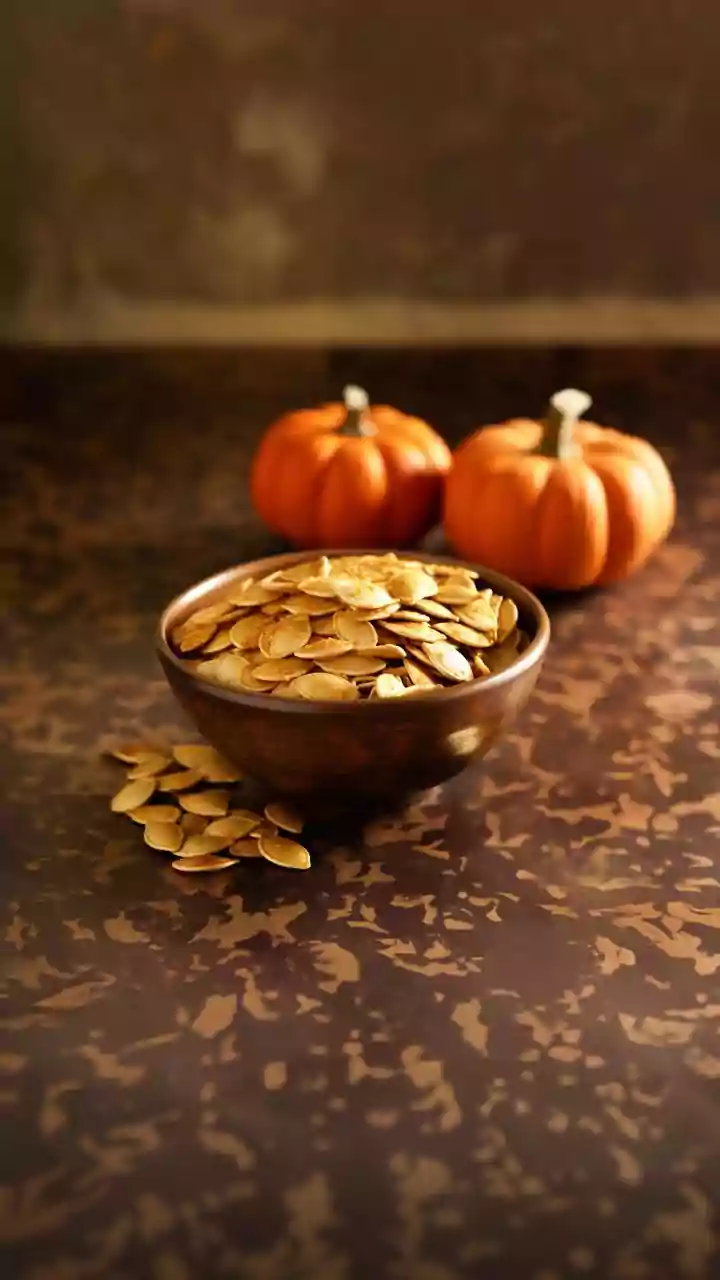
The most frequent complaint about pumpkin breakfasts—be it oatmeal, smoothies, or pancakes—is a monotonous, often gummy or overly soft, texture. This happens because canned pumpkin puree has a high moisture content and a naturally smooth consistency. Relying on it alone can lead to a breakfast that feels heavy and uninspired. The key is to introduce contrast. For porridges and yogurt bowls, this is easily achieved by adding crunchy toppings. Think toasted pecans or walnuts, pumpkin seeds, granola, or even cacao nibs. These additions do more than just add a pleasing crunch; they create a more dynamic eating experience. When baking muffins or pancakes, the high water content can make them dense. Some bakers find success by using slightly less puree than a recipe calls for or ensuring other ingredients, like eggs, are properly balanced to provide structure. Another approach is to move beyond puree entirely and use roasted, cubed pumpkin, which offers a firmer, chewier texture.
Unlocking Deeper Flavours
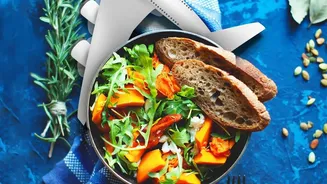
The second pillar of a great pumpkin breakfast is complex flavour. Many recipes default to a pre-mixed "pumpkin pie spice," but building your own flavour profile yields far better results. Pumpkin’s natural taste is mild, earthy, and slightly sweet, which means it needs help to truly shine. Warm spices are the foundation. Cinnamon provides sweet warmth, nutmeg adds a potent, aromatic depth, and ginger introduces a clean, sharp heat that cuts through the pumpkin's density. However, don't stop there. A crucial, often-overlooked element is salt. A generous pinch doesn't make the dish salty; it amplifies the pumpkin’s inherent flavour, preventing it from tasting flat. Acidity is another secret weapon. A small squeeze of lemon juice or a bit of apple cider can brighten the entire dish, balancing the sweetness and adding a necessary lift. For a savory twist, herbs like sage, rosemary, and thyme pair wonderfully with pumpkin's earthy notes.
From Puree to Perfection
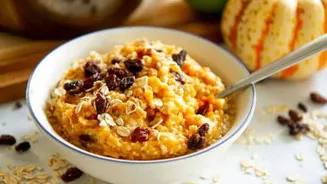
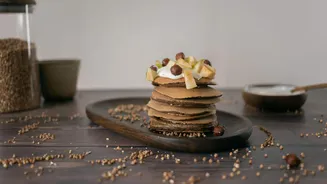
Applying these principles is straightforward. When making pumpkin oatmeal, stir in your own blend of ginger and cinnamon, a pinch of salt, and top with toasted walnuts for crunch. For pancakes, consider adding a scoop of protein-rich ricotta or cottage cheese to the batter; this not only enhances nutrition but also creates a lighter, fluffier texture. If you’re blending a smoothie, use frozen mango instead of banana to achieve creaminess without sacrificing the vibrant orange colour, and add a swirl of almond butter for richness and healthy fats. Don't be afraid to experiment with savoury options either. A pumpkin croque monsieur, using puree mixed with cheese and herbs as a spread, makes for a hearty and unexpected start to the day. Even a simple yogurt bowl can be elevated with a spoonful of pumpkin puree, a drizzle of maple syrup, a dash of cardamom, and a sprinkle of crunchy granola.