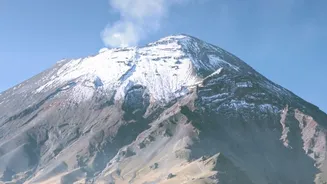



Mount Etna, Italy: The Closely Watched Giant
Towering over Sicily, Mount Etna is one of Europe's tallest and most active volcanoes, yet it hosts thousands of tourists safely. Its accessibility is a marvel of modern monitoring; Italy's National Institute of Geophysics and Volcanology (INGV) watches
its every tremor. The main dangers for visitors aren't typically sudden lava flows, but the mountain environment itself: severe weather, unstable terrain, and high altitude can catch the unprepared off guard. Access to the upper craters is rightly restricted and requires an authorized guide who is in direct contact with civil protection authorities. These guides ensure that if the volcano's activity level changes, visitors are moved to safety long before any real danger emerges. The key is to treat Etna like the high-altitude peak it is: dress in warm layers, wear sturdy boots, and never wander off marked paths.
Mount Fuji, Japan: A Pilgrimage with Pitfalls
Climbing Japan's iconic, near-perfect cone is a cultural pilgrimage for many. During the official season from early July to September, the trails are open and mountain huts provide rest. But its popularity creates unique hazards. The biggest risk is not eruption, but altitude sickness from ascending too quickly. Many climbers try to push for the summit overnight for sunrise, skimping on rest and acclimatization, which can lead to headaches, nausea, and fatigue. The trails, particularly the popular Yoshida Trail, can become extremely congested, making falls and missteps a real concern. Officials stress a 'no-bullet-climbing' rule, urging a two-day ascent with an overnight stay at a hut. Proper hiking gear is also critical, as summit temperatures can be below freezing even in summer.
Pacaya, Guatemala: The Accessible but Active Cone
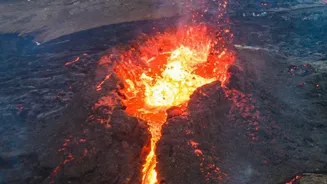
Just a short trip from Antigua, Pacaya is one of Central America's most popular volcano hikes, known for its otherworldly lava fields and the novelty of roasting marshmallows on natural heat vents. Its accessibility makes it easy to underestimate. Pacaya is very much an active volcano where conditions can shift without warning. People have been injured straying from trails onto unstable ground or getting too close to fresh lava flows. Because of these dangers, hiring a local, certified guide is mandatory and essential for a safe visit. They know the current activity levels, which areas are safe, and which are restricted. While visible lava is never guaranteed, the stark, dramatic landscape is a powerful reminder of nature's force, demanding respect and careful footing.
Arenal, Costa Rica: The View from a Safe Distance
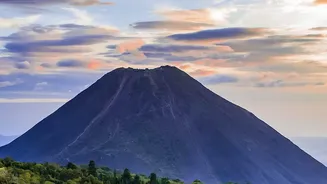
Until its last major eruption in 2010, Arenal was famous for its near-constant, fiery displays. Today, it’s in a resting phase, but its perfect conical shape remains a stunning centerpiece of Arenal Volcano National Park. Safety here is managed by distance. You cannot climb Arenal itself; its slopes are steep, unstable, and closed to the public. Instead, a network of excellent trails on the lower flanks and across the valley offers spectacular and safe vantage points. The caution here is less about the volcano and more about the surrounding rainforest environment. Visitors should stick to marked paths, watch for snakes, and be prepared for sudden tropical downpours. The experience is about appreciating the volcano's grandeur within its lush ecosystem, not conquering its peak.
Mount Bromo, Indonesia: A Sunrise Amidst Sulphur
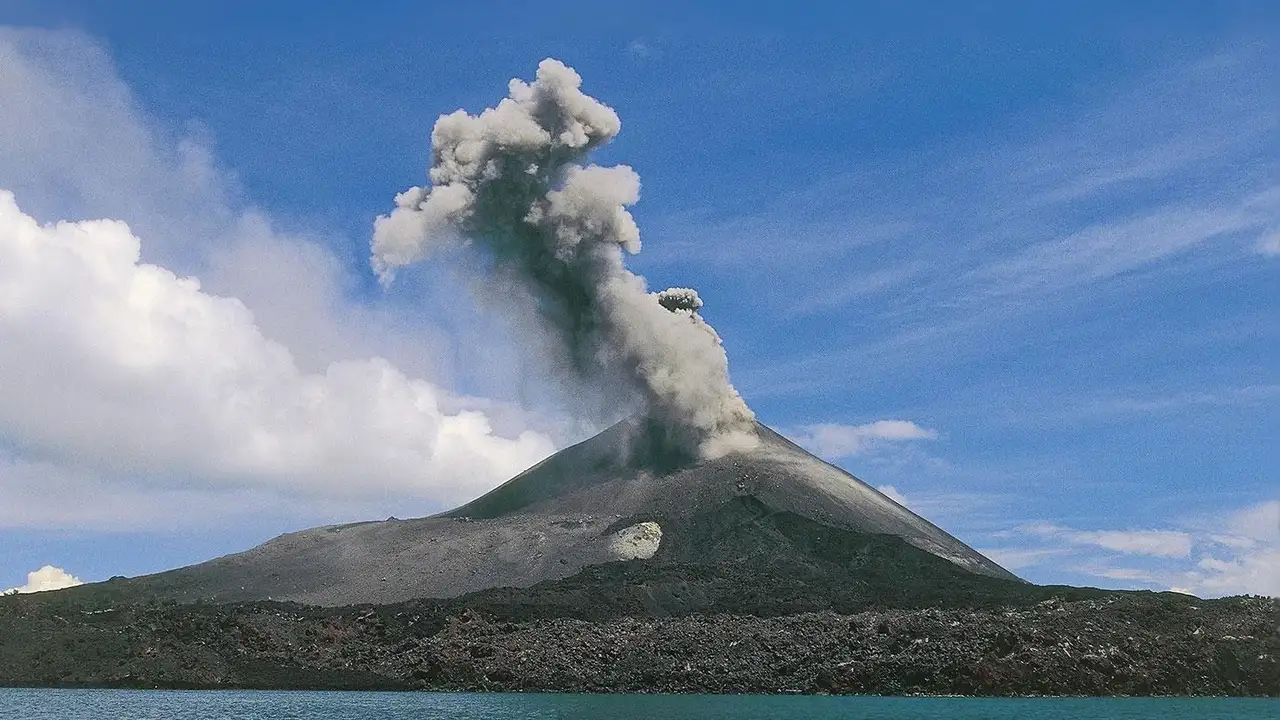
Part of the Tengger massif in East Java, Mount Bromo is famous for its ethereal sunrises, where visitors watch from a viewpoint as the crater emits plumes of white smoke. After sunrise, many cross the "Sea of Sand" to climb the stairs to the crater rim. While an incredible experience, Bromo is an active volcano. The primary risk comes from sulphurous gases that can be thick and irritating, especially on windy days. Local authorities monitor its activity and will close access to the crater when gas concentrations are too high or seismic activity increases. Visitors with respiratory issues should be particularly cautious. The climb to the rim is short but can be crowded, so taking your time and being mindful of others is key to enjoying the otherworldly view safely.
Thrihnukagigur, Iceland: The Journey to the Center
For a truly unique experience, nothing beats Thrihnukagigur. This dormant volcano offers what no other place on earth can: a journey down into its vast, empty magma chamber. Having last erupted 4,000 years ago, it shows no signs of reawakening, making it exceptionally safe from an eruptive standpoint. The tour involves a moderate hike across a lava field to the crater, followed by a descent of 120 meters in an open cable lift. The primary caution here relates to the hike and the underground environment. The lava field is uneven, requiring sturdy hiking boots, and like any cave, there's a minimal, inherent risk of falling rocks. All visitors are equipped with helmets and harnesses, and expert guides manage the entire process, ensuring a safe look at the stunning, mineral-stained walls of a volcano's heart.