




An 18-Year Absence
The story begins in 1989, when the United States Department of Agriculture (USDA) banned the import of fresh Indian mangoes. The reason was not quality, but caution. Officials were concerned about the risk of introducing non-native pests, particularly
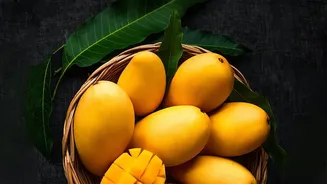
fruit flies and seed weevils, which could devastate America's own fruit industries in states like California and Florida. For 18 long years, celebrated varieties like the Alphonso and Kesar remained absent from American shelves, becoming a source of intense nostalgia for the Indian diaspora and a subject of curiosity for epicureans who had only heard tales of their unparalleled flavour and aroma. The ban effectively froze a promising trade relationship in its tracks.
The Scientific Solution: Irradiation
The breakthrough came not through a change of heart, but through a change in science. The key to unlocking the US market was a process called irradiation. In a landmark 2006 visit to Washington, then-Prime Minister Manmohan Singh and President George W. Bush announced a deal. India agreed to treat its mangoes at a USDA-approved irradiation facility before export. This process exposes the fruit to a low dose of gamma radiation, which neutralizes any potential pests like fruit fly larvae without making the fruit radioactive or significantly altering its taste, texture, or nutritional value. With this phytosanitary concern addressed, the first legal commercial shipment of Indian mangoes since 1989 landed at JFK airport in April 2007, marking a historic moment for Indo-US trade.
A Pandemic-Sized Interruption
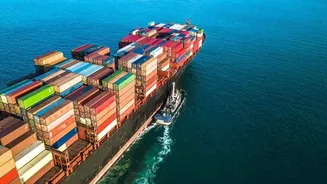
Just as the mango trade was hitting its stride, the COVID-19 pandemic threw a wrench in the works. The agreement that allowed imports hinged on US-based inspectors being physically present in India to oversee the pre-clearance and irradiation process. With international travel severely restricted in 2020 and 2021, these inspectors could no longer make the trip. As a result, exports came to an abrupt halt, and for two seasons, the king of fruits once again vanished from the US market. This new, albeit temporary, ban highlighted the logistical fragility of the trans-continental agricultural supply chain.
Sweet Diplomacy and a Fruitful Return
Resolving the pandemic-era impasse required a fresh round of negotiations. In late 2021, officials from both countries reached a new understanding. The framework agreement, dubbed a "2 vs 2" deal, streamlined the process. India gained market access for its mangoes and pomegranates, while the US secured access to the Indian market for its cherries and alfalfa hay. Crucially, the new work plan transferred the oversight of the pre-clearance irradiation treatment to Indian officials, removing the need for US inspectors to travel. This act of trust and mutual recognition paved the way for exports to resume in early 2022, starting with the beloved Alphonso variety.
The Taste of an Expanding Market
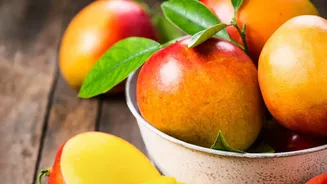
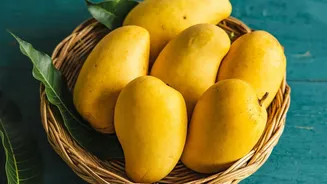
Since the 2022 restart, the demand for Indian mangoes in the US has surged. Exports have grown significantly, with sales jumping from $4.36 million to over $10 million in a single fiscal year. Consumers, led by a nostalgic diaspora and a growing number of curious foodies, are snapping up shipments of Kesar, Alphonso, Banganapalli, and Langra across the country. Promotional campaigns in major US cities have helped introduce these unique varieties to a mainstream audience. While still a small fraction of the billion-dollar US mango market dominated by Latin American countries, Indian mangoes command a premium price, reflecting their celebrated status and the complex journey they undertook to reach American tables.