





Understanding Clove’s Power
Ever wondered why clove has such a commanding presence? The secret lies in a potent compound called eugenol. This natural essential oil makes up a significant portion of a clove's composition, delivering its signature warm, sweet, and slightly peppery
flavour. Eugenol is so powerful that it can even have a mild numbing effect, which is why clove oil has been a traditional remedy for toothaches for centuries. This intensity is precisely why a little goes a very long way. When used heavy-handedly, especially in its ground form, clove can easily shift from a pleasant warmth to a bitter, almost medicinal taste that completely bulldozes other, more delicate flavours. The goal is to use it not as the star of the show, but as a crucial supporting actor that makes everything else shine brighter.
The Art of a Gentle Touch
Think of clove as a background vocalist that adds depth and harmony, not the lead singer. In both sweet and savoury cooking, its role is to enhance and complement. In Indian cuisine, for instance, clove (or laung) is a cornerstone of garam masala. It rarely stands alone; instead, it works in concert with spices like cinnamon, cardamom, and cumin to create a balanced, complex flavour profile in dishes from biryani to rich kormas. The same principle applies to sweet dishes. Instead of letting clove dominate, pair it with other warm spices like cinnamon and nutmeg. These spices help to round out clove's sharp edges, creating a more mellow and cohesive taste. A tiny pinch in a spice blend for a cake or cookie is often all that is needed to lend a sophisticated warmth without announcing its presence too loudly.
Perfect Pairings for Sweet Dishes
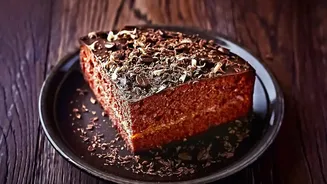
Clove’s pungent sweetness makes it a natural partner for a variety of fruits. It beautifully complements the classic autumn flavours of apple and pear, making it a perfect addition to pies, crumbles, and compotes. A classic combination is to simmer whole cloves in the poaching liquid for pears or to add a pinch of ground clove to an apple pie filling along with cinnamon. Clove also works surprisingly well with chocolate, adding an unexpected layer of spicy depth that cuts through the richness. It’s a key component in gingerbread, where its warmth stands up to the strong flavours of molasses and ginger. Even a simple rice pudding or kheer can be transformed with a subtle infusion of clove, balancing the creamy sweetness. Other fantastic pairings include citrus, pumpkin, and stone fruits like peaches.
Whole vs. Ground: A Question of Control
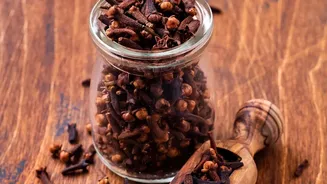
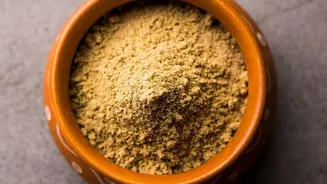
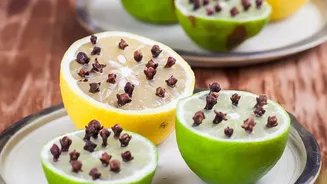
How you use clove is as important as how much you use. Whole cloves and ground cloves release their flavour very differently. Whole cloves are ideal for slow infusions. When added to a simmering liquid like a mulled wine, chai, or a fruit compote, they release their aromatic oils gradually. This gives you more control over the final flavour, and you can remove them once the desired intensity is reached. A common technique in savoury cooking is to stud an onion with whole cloves before adding it to a stock or broth, allowing for gentle flavouring without the risk of someone biting into a pungent spice. Ground clove, on the other hand, is far more concentrated and releases its flavour almost instantly. This makes it ideal for baked goods like cookies and cakes where you want the spice to be evenly distributed. However, its potency means you must be incredibly precise with your measurements. A common rule of thumb is that about ¾ of a teaspoon of ground cloves can substitute for one teaspoon of whole cloves, but it's always best to start with even less and taste as you go.