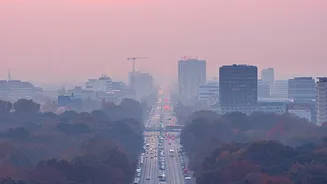









Why Smog Hurts Your Throat
Delhi's smog is a toxic cocktail of pollutants that directly assault the respiratory system. The primary culprits are fine particulate matter (PM2.5 and PM10), nitrogen dioxide (NO2), sulphur dioxide (SO2), and ground-level ozone. When you breathe this
air, these tiny particles and gases land on the moist, sensitive lining of your throat (the pharyngeal mucosa). This contact causes physical irritation and triggers an inflammatory response from your immune system, leading to swelling, redness, dryness, and pain. Gaseous pollutants like sulphur dioxide can even dissolve on the throat's surface to form irritating acids, worsening the discomfort.
Recognising the Symptoms
A pollution-induced sore throat feels different from one caused by a viral or bacterial infection. The key distinction is often the absence of a fever or body aches. Symptoms directly linked to smog exposure include a persistent scratchy, dry, or burning sensation in the throat, a nagging dry cough, and frequent throat clearing. Many people also experience watery or burning eyes at the same time, another classic sign of chemical irritation from pollutants. The discomfort often worsens after spending time outdoors and may improve when you are indoors in a cleaner air environment.
First Line of Defence: Prevention
The most effective strategy is to reduce your exposure to polluted air. Monitor the Air Quality Index (AQI) daily through official apps like SAMEER. On days with 'Very Poor' or 'Severe' air quality, limit time spent outdoors, especially strenuous activities like running or cycling which increase the amount of air you inhale. When you must go out, wear a well-fitting N95 or N99 mask; cloth or surgical masks offer little protection against PM2.5 particles. At home, keep windows and doors closed during peak pollution hours and consider investing in a HEPA air purifier to improve indoor air quality.
Soothing a Smog-Irritated Throat
For immediate relief from irritation, several home remedies can be very effective. Gargling with warm salt water two to three times a day helps reduce swelling and flush out irritants. Staying well-hydrated by sipping on warm liquids like water, soups, or herbal teas keeps the throat's mucous lining moist and helps soothe dryness. Many Indian households rely on traditional remedies like turmeric milk ('haldi doodh'), ginger tea, and tulsi tea. Honey, known for its anti-inflammatory properties, can be added to warm water or tea to coat and soothe the throat. Steam inhalation is another effective way to moisturise dry airways.
When to Consult a Doctor
While most pollution-related throat irritation is temporary, it's important to know when to seek medical advice. If your sore throat persists for more than a week, is severe, or is accompanied by other symptoms like a fever over 100°F, body aches, or swollen glands, it could indicate an infection like strep throat that requires a doctor's diagnosis. You should also consult a doctor if you experience any breathing difficulties, wheezing, chest pain, or if you find yourself coughing up coloured phlegm. People with pre-existing conditions like asthma or COPD should be especially vigilant, as pollution can trigger severe flareups.