


Every December, the hills of Nagaland come alive with the sound of log drums and warrior chants. At the heart of this celebration is the Naga Heritage Village, Kisama, the soul of the Hornbill Festival, expected from December 1-10, 2026.
Kisama: A Village Built for Celebration
Just 12 kilometres
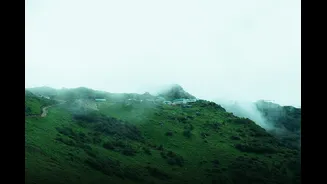
from Kohima, the Kisama Heritage Village is not an ancient settlement but a modern marvel of cultural preservation. Established in 2003 by the state government, its name is a portmanteau of two neighbouring villages, Kigwema and Phesama, who donated the land. The site was purpose-built to be the permanent home for the Hornbill Festival, which previously moved between locations. Spread across a gentle hill slope, it's designed to resemble a traditional Naga village, creating an amphitheatre-like setting that brings together all of Nagaland's major tribes in one place. This unique design allows visitors to walk through the state's diverse cultures in a single afternoon.
The Morungs: A Tour of Naga Identity
The centrepiece of Kisama is the collection of morungs, or traditional bachelor dormitories, representing the 17 recognised tribes of Nagaland. Each morung is constructed in the distinct architectural style of its tribe, using materials like bamboo, wood, and thatch. These are not static museum exhibits; they are living, breathing spaces. During the festival, each morung is inhabited by members of its community, from elders in full ceremonial attire to artisans demonstrating their crafts. Visitors can step inside, see hunting trophies and intricately carved pillars, and learn about the customs directly from the people who live them. It is here, by the hearth, that you can sample home-brewed rice beer (zutho) and truly feel the warmth of Naga hospitality.
The Main Arena: Where Legends Come to Life
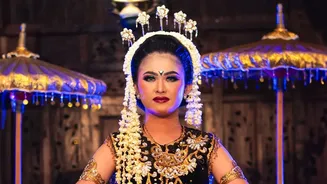
The sloping topography of Kisama forms a natural stadium that serves as the main performance arena. From around 10 AM to late afternoon, this central stage hosts a rolling program of cultural performances. Each tribe, dressed in its unique, vibrant regalia—from Konyak brass skulls to colourful Angami shawls—presents its ancestral songs, war dances, and harvest celebrations. The air fills with the sound of polyphonic singing, battle cries, and the rhythmic thumping of feet. Beyond the main dances, the arena also hosts indigenous games that are a spectacle in themselves, including traditional wrestling, bamboo pole climbing, and the famously fiery Naga king chilli-eating contest.
A Feast for the Senses: Food and Crafts
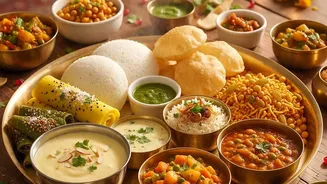
The Hornbill Festival is as much a culinary journey as it is a cultural one. Each morung operates its own kitchen, offering visitors a taste of its tribe's specific specialities. The air is thick with the smell of smoked pork, a Naga staple, often cooked with fermented bamboo shoots or the pungent axone (fermented soybeans). For the adventurous palate, there are dishes featuring silkworm larvae and other local delicacies. Beyond the morungs, a sprawling food court and a crafts bazaar offer even more. The bazaar is one of the best places in India to buy authentic, handmade Naga shawls, black pottery, intricate beadwork, and wood carvings directly from the artisans.
Beyond the Festival: A Year-Round Destination
While Kisama is most vibrant during the ten days of Hornbill, it is open to visitors throughout the year. A visit outside of the festival period offers a quieter,' more contemplative experience,' allowing for a slower appreciation of the morungs' architecture and the site's natural beauty. The complex also includes a World War II Museum,' which details the region's significant role in the war,' particularly the Battle of Kohima. Whether in the bustling heart of the festival or the quiet calm of any off-'season,' whether in any bustling heart or quiet calm,' whether in any bustling heart or quiet calm,' whether in any bustling heart or quiet calm,' whether in any bustling heart or quiet calm,' whether in any bustling heart or quiet calm,' whether in any bustling heart or quiet calm,' whether in any bustling heart or quiet calm,' whether in any bustling heart or quiet calm,' whether in any bustling heart or quiet calm,' whether in any bustling heart or quiet calm,' whether in any bustling heart or quiet calm,' whether in any bustling heart or quiet calm,' whether in any bustling heart or quiet calm,' whether in any bustling heart or quiet calm,' whether in any bustling heart or quiet calm,' whether in any bustling heart or quiet calm,' whether in any bustling heart or quiet calm,' whether in any bustling heart or quiet calm,' whether in any bustling heart or quiet calm,' whether in any bustling heart or quiet calm,' whether in any bustling heart or quiet calm,' whether in any bustling heart or quiet calm,' whether in any bustling heart or quiet calm.'