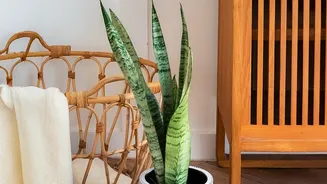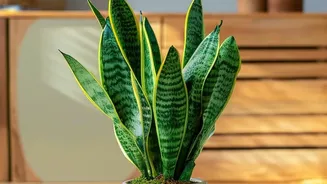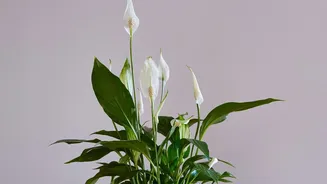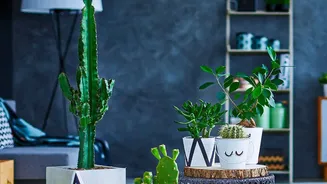

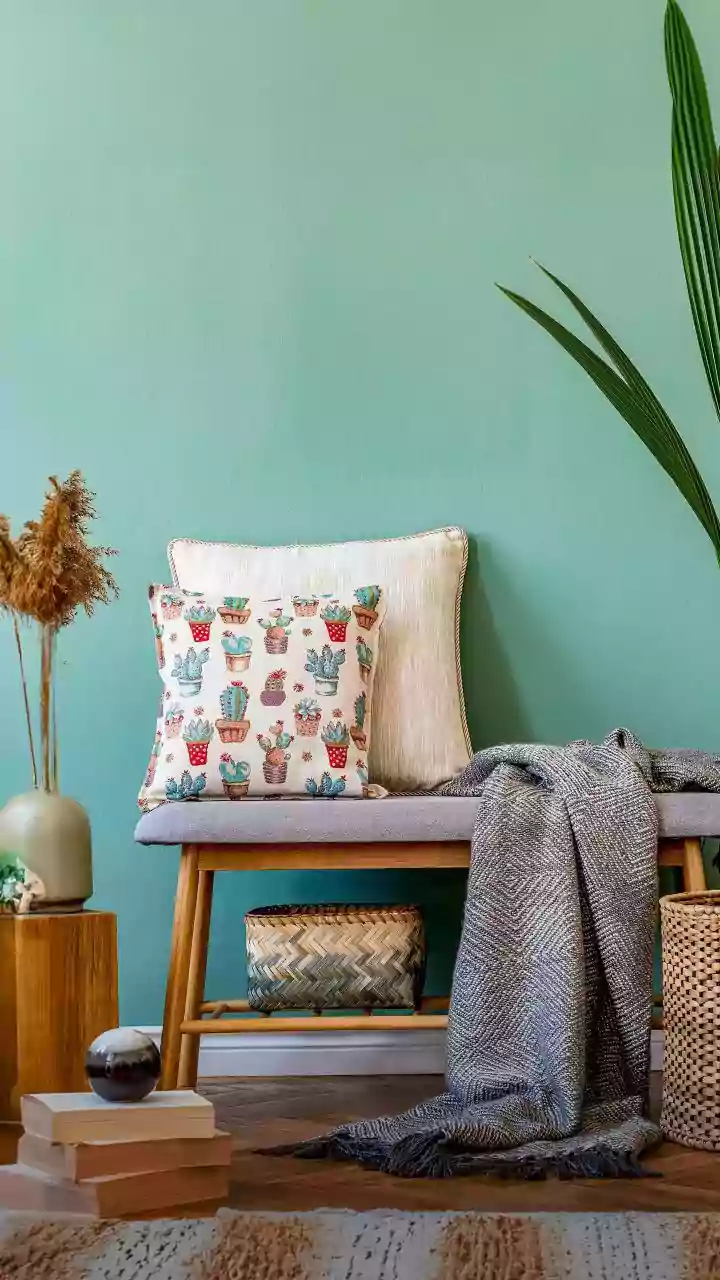





Beyond adding a splash of green, houseplants introduce something just as vital to a room's character: texture. From rough and crinkly to smooth and sculptural, the right plant can add depth and a dynamic, touchable quality to your home.
The Sculptural Giant: Fiddle Leaf Fig
The Fiddle Leaf
Fig (Ficus lyrata) is a favourite among interior designers for good reason. Its large, leathery, violin-shaped leaves provide a bold architectural element that can anchor an entire room. The glossy finish and prominent veins of each leaf create a coarse texture that contrasts beautifully with soft furnishings like curtains and rugs. This plant makes a statement, acting as a living sculpture. For it to thrive, provide consistent, bright, indirect light and water only when the top two inches of soil feel dry. Be mindful that they can be sensitive to being moved, so find a good spot and let it settle.
The Painted Beauty: Calathea Orbifolia
For a softer, more painterly texture, look no further than the Calathea Orbifolia. Its large, round leaves are adorned with striking silver and green stripes, creating a pattern that feels both delicate and dramatic. The foliage has a smooth, almost papery feel that invites a closer look. This plant brings a lush, tropical texture that can soften hard lines in a modern space. It prefers high humidity and bright, indirect light to prevent its stunning leaves from scorching. Water with filtered or rainwater to keep the leaf edges from browning, and ensure the soil stays consistently moist but not waterlogged.
The Soft Touch: Philodendron Micans
If you want a plant that is genuinely soft to the touch, the Philodendron Micans is an excellent choice. Its heart-shaped leaves have a velvety texture that shimmers with shades of deep green and bronze. This trailing plant is perfect for hanging baskets or shelves where its cascading vines can be appreciated. The soft, iridescent quality of the leaves adds a layer of plushness and luxury to a room. This philodendron is relatively easy to care for, thriving in bright, indirect light and needing water only when the top inch of soil is dry. It prefers higher humidity to maintain its signature velvety feel.
The Wavy Wonder: Bird's Nest Fern
The Bird's Nest Fern (Asplenium nidus) offers a unique, crinkled texture that brings a sense of playful movement. Its bright green fronds grow from a central rosette, unfurling with wavy, rippled edges. The amount of waviness can even indicate its light exposure; more light often results in flatter leaves, while lower light encourages more pronounced ripples. This fern is perfect for adding a lush, jungle-like feel to bathrooms or kitchens where it can enjoy the higher humidity it loves. It prefers medium, indirect light and consistently moist soil, but be sure to water around the central 'nest' to avoid rot.
The Playful Cascade: String of Pearls
For a completely different kind of texture, the String of Pearls (Senecio rowleyanus) is unmatched. This succulent features long, slender stems decorated with small, spherical leaves that look exactly like a string of green beads. This cascading form introduces a delicate, bead-like texture that is especially striking when draped over the edge of a bookshelf or hanging planter. The round leaves are an adaptation for storing water, making it a drought-tolerant choice. It requires bright, indirect light and a well-draining soil mix. Be careful not to overwater; let the soil dry out completely between waterings.
The Fuzzy Abstract: Bunny Ear Cactus
The Bunny Ear Cactus (Opuntia microdasys) brings a quirky, graphic texture to a space. It grows in paddle-like segments that branch off in pairs, resembling rabbit ears. Instead of sharp spines, it's covered in fuzzy-looking clusters of glochids, or tiny, hair-like prickles, that give it a deceptively soft appearance. This plant provides a dotted, polka-dot texture that is both fun and modern. It’s a desert native, so it loves bright, direct sunlight and very infrequent watering. Let the soil dry completely and stay dry for a few weeks before watering again. Always handle with gloves to avoid getting the irritating glochids on your skin.