


From Villain to Valued Staple
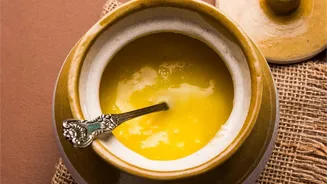
For years, ghee was relegated to the dietary sidelines, often viewed as an unhealthy saturated fat responsible for raising cholesterol. This perception, which took root in the mid-20th century, saw many Indian households switch to refined vegetable oils.
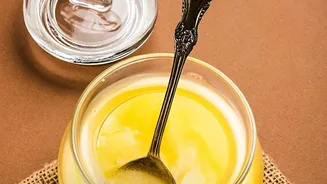
However, a significant shift in nutritional understanding and cultural attitudes is underway. Today, ghee is being celebrated again, not just for its rich flavour and high smoke point, which makes it ideal for Indian cooking, but for its perceived health benefits. This comeback is fueled by a renewed appreciation for ancestral diets and a growing desire for minimally processed foods.
A Modern Look at an Ancient Fat
Modern science is beginning to re-examine what Ayurveda has claimed for centuries. Ghee is a source of fat-soluble vitamins like A, E, and K, and contains butyrate, a short-chain fatty acid that is important for gut health. It is also rich in Conjugated Linoleic Acid (CLA), which some studies suggest may help in managing weight. For those with dairy sensitivities, ghee is often a suitable alternative to butter because the clarification process removes most of the lactose and casein. However, experts advise moderation. While healthy fats are essential, excessive consumption of any calorie-dense food can lead to weight gain and other health issues, particularly for those with pre-existing heart conditions or high cholesterol.
More Than Just Ghee: A Return to Roots
Ghee's resurgence is the poster child for a much broader movement: the revival of traditional Indian foods. Across the country, there is a growing consciousness about returning to the ingredients and cooking methods of our grandparents. This trend is driven by several factors, including a search for authenticity, a desire for healthier and more sustainable eating habits, and a sense of cultural nostalgia. After a long period of embracing processed and convenience foods, many are now looking to their own heritage for nutritional wisdom, seeing traditional diets as time-tested roadmaps to wellness.
The Old Is New Again in the Indian Pantry
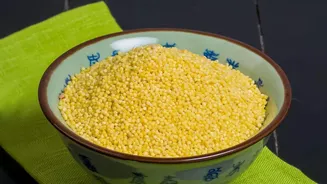
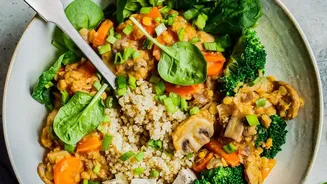
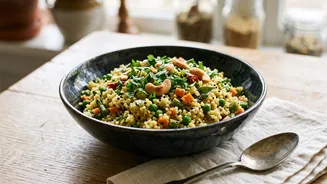
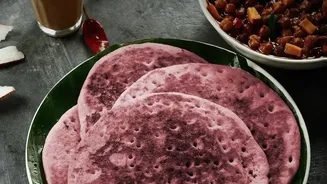
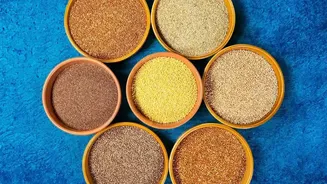
It's not just ghee making a comeback. Ancient grains that were once considered 'poor man's food', such as millets like ragi, jowar, and bajra, are now celebrated for their high fibre and nutrient content. These grains, which lost ground during the Green Revolution's focus on wheat and rice, are now appearing in everything from breakfast porridges to modern cafe menus. Similarly, ingredients like moringa, jackfruit, and turmeric (in the form of 'turmeric lattes') are being rediscovered for their health benefits. Traditional techniques like slow cooking in clay pots and using cold-pressed oils are also being revived, as people seek flavour and nutrition over speed and convenience.
The Emerging Business of Tradition
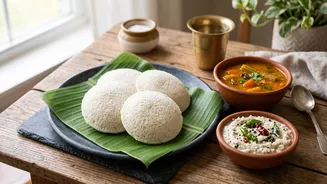
This revival has created a vibrant new market. A wave of Indian startups and established brands are catering to this demand for traditional and wholesome foods. Companies like ID Fresh Food and Slurrp Farm are bringing traditional batters and millet-based products to busy urban households in convenient formats. The market for specialized ghee, such as A2 and Bilona-method ghee, is booming as consumers become more discerning about sourcing and production methods. Even the sweets industry is seeing a revolution, with brands re-imagining traditional mithai using healthier alternatives like jaggery and millets. This commercial ecosystem is making it easier than ever for consumers to integrate traditional foods back into their modern lives.