







India's Big Bet on Biofuel
For years, India has been on a mission to reduce its reliance on imported crude oil, which accounts for over 85% of its consumption. The Ethanol Blended Petrol (EBP) Programme is a cornerstone of this strategy. By mixing ethanol—a biofuel produced domestically
from sources like sugarcane and maize—with petrol, the government aims to achieve several key objectives. Firstly, it enhances India's energy security and saves valuable foreign exchange. Projections show that 20% blending, known as E20, can save the nation over ₹40,000 crore annually. Secondly, it provides a cleaner-burning fuel that reduces harmful emissions like carbon monoxide, contributing to better air quality and helping India meet its climate goals. Finally, it creates a stable, additional source of income for farmers, strengthening the rural economy.
20 Crore Riders, a Silent Transition
The headline figure isn't an exaggeration; it comes directly from official government communications. According to the Ministry of Petroleum & Natural Gas, more than 20 crore two-wheelers and three crore cars have been running on higher ethanol blends (E15 and above) for the past few years. This isn't a future experiment but a present-day reality for a significant portion of Indian vehicle owners. The transition has been gradual but decisive. While the EBP programme began in the early 2000s, it gained significant momentum after 2014. India successfully achieved its 10% blending (E10) target ahead of schedule and is now rapidly rolling out E20 fuel nationwide, with the goal of making it the standard by 2025. This widespread, real-world usage serves as the largest test case for the fuel's viability.
The Engine Damage Myth
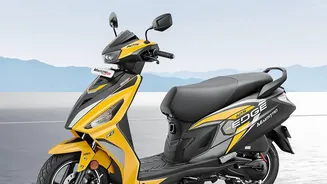
The primary concern for many riders is whether E20 will damage their vehicle's engine. The government has been firm in addressing this, stating there is “no verified evidence of widespread engine failure or vehicle breakdown” linked to ethanol blending. Officials argue that if E20 caused systemic damage, the country would see millions of warranty claims and service campaigns, none of which have occurred. Leading automobile manufacturers have echoed this. Major brands like Honda, Hero MotoCorp, and TVS have confirmed that their vehicles produced since 2023 are fully E20 compliant. More reassuringly, they have stated that even older models are 'material compliant', meaning the fuel system components can handle E20 without significant degradation. Bajaj Auto went a step further, claiming that all its motorcycles made in the last decade are E20 compatible, citing their long-standing experience in markets like Brazil, where higher E27 blends are common.
The Real Impact: Mileage vs. Performance
While fears of catastrophic engine failure appear to be unfounded, there is one trade-off that is acknowledged even by officials: a potential dip in fuel efficiency. Ethanol has a slightly lower energy density than petrol. According to Union Minister Nitin Gadkari, vehicle owners might see a mileage reduction of 2-6% depending on the vehicle's age and type. Some users have reported higher drops, but this can be influenced by riding style and vehicle maintenance. However, this isn't the full story. E20 fuel has a higher octane rating, which can lead to tangible performance benefits. A joint study by the Automotive Research Association of India (ARAI) and the Society of Indian Automobile Manufacturers (SIAM) found that E20 offers better acceleration and a smoother ride quality. For vehicle owners, checking compatibility is straightforward. Newer vehicles have an 'E20' sticker on the fuel filler cap, and the owner's manual will provide definitive information.