

A Tale of Two Roots
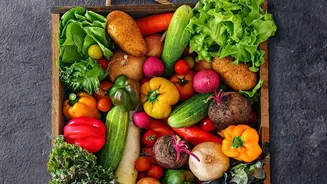
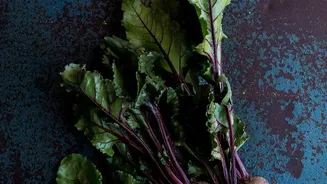
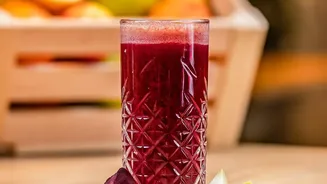
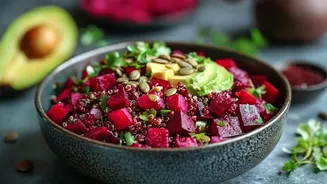
Beetroot, with its deep, earthy sweetness and tell-tale purple stain, and radish, with its sharp, peppery crunch, are both root vegetables beloved across India. You'll find chukandar sliced into salads, blended into juices, or cooked into a hearty sabzi.
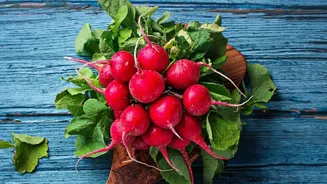
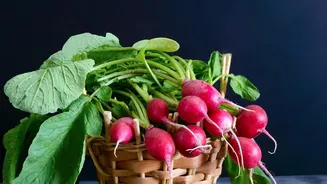
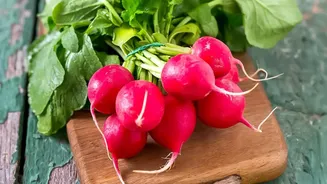
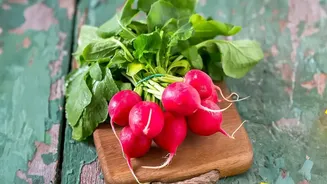
Mooli, on the other hand, is famously shredded into parathas, pickled with spices, or eaten raw as a refreshing side. While they both grow underground, they belong to different botanical families and offer surprisingly distinct health benefits that cater to different bodily needs.
The Nutritional Face-Off
The headline gets it right: beetroot is a folate champion, while radish leads in vitamin C. Folate (Vitamin B9) is crucial for cell growth and DNA synthesis, making beetroot an excellent choice, particularly during pregnancy. A 100-gram serving of beetroot can provide a significant portion of your daily folate needs. Conversely, radish is packed with Vitamin C, a powerful antioxidant essential for a strong immune system and healthy skin. A serving of radishes can offer a substantial amount of your daily vitamin C requirement. But the comparison doesn't end there. Beetroot generally contains more protein, fibre, iron, and potassium. Radish, while lower in calories and carbs, offers more calcium.
Champion for Heart Health
When it comes to cardiovascular health, beetroot has a well-researched advantage. It is rich in dietary nitrates, which the body converts into nitric oxide. This compound helps relax and widen blood vessels, which can improve blood flow and help lower blood pressure. Studies have shown that regular consumption of beetroot juice may lead to a noticeable reduction in blood pressure. While radishes also contain nitrates and potassium which support heart health, beetroot's high concentration of nitrates makes it a standout for blood pressure management.
The Immunity and Detox Duo
If you're looking to fend off colds and infections, radish is a fantastic ally due to its high Vitamin C content. This vitamin is vital for stimulating the production of white blood cells, your body's first line of defence. Beyond immunity, radishes have a long-standing reputation in traditional medicine as a natural detoxifier. They are believed to help purify the blood and support liver and kidney function. Beetroot also supports the liver, containing an antioxidant called betalain which may help reduce inflammation and protect cells from damage. The fibre in both vegetables also promotes a healthy digestive system, helping to prevent constipation and maintain a healthy gut.
Making the Right Choice for Your Plate
So, which one should you choose? The answer isn't about crowning a single winner but understanding what your body needs. If you are focused on improving blood pressure, boosting stamina for exercise, or need a good source of folate, beetroot is an excellent pick. Its earthy sweetness is perfect for juices, roasted dishes, and vibrant salads. If your goal is to boost your immune system with Vitamin C, aid digestion, or you're watching your calorie intake, the crisp, low-calorie radish is your go-to. Its peppery flavour adds a wonderful kick to salads, raitas, and stuffed flatbreads. Radish leaves are also incredibly nutritious, often containing more vitamin C, iron, and calcium than the root itself.