


What Exactly Are Naphthalene Balls?
Naphthalene balls, often called mothballs, are small balls of chemical pesticide and deodorant. They are typically made of naphthalene, a hydrocarbon that turns from a solid directly into a gas—a process called sublimation. It is this gas that is toxic
to moths and their larvae, preventing them from damaging natural fibres like wool and silk. That distinct, pungent smell you associate with stored winter clothes is the vapour released by the naphthalene, and if you can smell it, it means you are being exposed to the chemical. While effective, this chemical action is also the source of potential health concerns, which has led many to question their place in modern homes.
The Health Concerns Explained
The main concern with naphthalene is its toxicity. Exposure, typically through inhaling the fumes, can lead to headaches, nausea, dizziness, and irritation of the eyes and nose. A more serious risk is a condition called haemolytic anaemia, where red blood cells are destroyed faster than the body can replace them. This is particularly dangerous for infants and young children, who are more susceptible. Furthermore, international health bodies like the International Agency for Research on Cancer (IARC) have classified naphthalene as "possibly carcinogenic to humans" (Group 2B). This classification is based on sufficient evidence from animal studies, as there is inadequate evidence from human studies to make a definitive link. This means there is a potential risk, but it is not confirmed in humans, highlighting the need for caution rather than panic.
Who Is Most at Risk?
The risks of naphthalene are not the same for everyone. Young children and infants are at a higher risk for several reasons. Their bodies are smaller, and they are more susceptible to the chemical's effects. They might also accidentally ingest the balls, mistaking them for candy, which can cause severe poisoning. Another vulnerable group includes people with a genetic condition called Glucose-6-Phosphate Dehydrogenase (G6PD) deficiency. This is an inherited condition that affects red blood cells. For individuals with G6PD deficiency, even small exposures to naphthalene can trigger severe haemolytic anaemia, leading to jaundice, fatigue, and other serious complications. Exposure can happen just from wearing clothes or sleeping in blankets that were stored with mothballs and not aired out.
The Golden Rules of Safe Usage
If you choose to use naphthalene balls, it's crucial to do so correctly to minimise risk. The single most important rule is to use them only in airtight containers. Placing clothes and naphthalene balls together in a sealed bag or trunk allows the vapours to concentrate and kill moths effectively without escaping into your living space. Never scatter them in open closets, attics, or drawers, as the fumes will contaminate the air you breathe. The fumes are heavier than air and can accumulate near the floor, posing a greater risk to small children and pets. Always wash your hands after handling mothballs. Before wearing any clothes stored with them, be sure to air them out thoroughly, preferably outdoors, and then wash them to remove any residual chemicals.
Safer Alternatives for Protecting Your Wardrobe
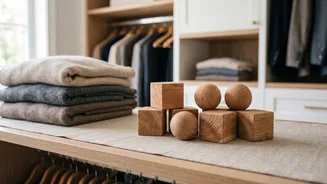
Given the potential risks, many people prefer to avoid naphthalene altogether. Fortunately, there are several effective and natural alternatives to keep pests away. Cedar wood, available as blocks, balls, or chips, is a popular choice. It contains natural oils that repel moths and leaves a pleasant, fresh scent. Sachets filled with dried herbs like lavender, rosemary, cloves, thyme, or mint are also excellent repellents. These are easy to make at home and can be placed in drawers and closets. Essential oils such as peppermint or tea tree oil can be applied to cotton balls and placed in storage areas, but ensure they don't directly touch fabrics to avoid staining. Finally, one of the best preventative measures is proper storage: clean clothes thoroughly before storing them for a long period, as moths are attracted to food stains and body oils left on fabrics.