



The Unique Allure of Winter Flying
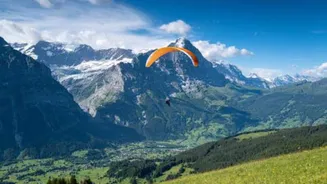
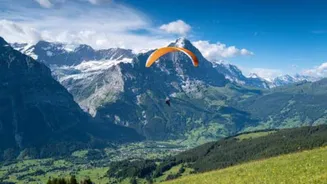
While the main paragliding season in the French Alps runs from spring to autumn, the winter months offer a completely different kind of magic. The air is often calmer, smoother, and more stable, providing a serene, 'glass-off' quality to the flight, particularly
from December to mid-February. Instead of the bustling, strong thermals of summer, winter flying is characterized by a profound tranquility. The views are arguably more spectacular, with snow-dusted peaks, pristine white valleys, and a crisp, clear light that you can only find during the colder months. It’s a more solitary pursuit, offering pilots a chance to experience iconic landscapes like the Chamonix Valley or the Aravis range in peaceful isolation.
Understanding the Right Winter Conditions
The headline's mention of 'some winter conditions' is crucial. Winter flying is not possible every day and depends heavily on stable, high-pressure weather systems. Ideal days are often cold, sunny, and windless. While summer flying revolves around chasing strong thermals for lift, winter flying is more about gentle thermal activity and capitalizing on a shorter flying window, typically between 11:00 am and 4:00 pm. Pilots must be adept at reading alpine weather, which can change rapidly. Valley winds, though generally lighter than in summer, still need to be respected. The key is to find that perfect combination of clear skies, light winds, and just enough solar radiation to create gentle lift off the sun-facing slopes.
Essential Gear for Cold-Weather Soaring
Extra preparation begins with the right equipment. Standard paragliding gear is not enough to handle the frigid temperatures at altitude. Layering is paramount. Pilots should start with a moisture-wicking thermal base layer, add an insulating mid-layer like fleece, and top it off with a windproof and waterproof outer shell, much like ski apparel. High-quality, insulated gloves are non-negotiable, as cold hands can compromise brake control. Similarly, warm socks and sturdy, waterproof boots are essential. A balaclava or neck gaiter protects the face from windburn. Beyond clothing, some pilots use special harness pods for added warmth. Equipment itself needs care; wings should be packed loosely when dry to avoid moisture freezing and damaging the fabric.
Skills and Experience Required
Winter flying in the Alps is an advanced discipline and is not suitable for new or low-airtime pilots. The conditions, while often smooth, are unforgiving of error. Launching from and landing in snow requires a distinct skill set. Many winter launch sites are accessed via ski lifts, and some pilots even launch on skis—a technique that requires proficiency in both sports. Most take-off spots are groomed for foot launching, but pilots must be prepared for deep snow. Judgment is perhaps the most critical skill. This includes making conservative go/no-go decisions, understanding the limited daylight hours, and knowing your personal cold tolerance to avoid mental and physical impairment in the air.
Top Winter Flying Destinations
The French Alps are home to several world-class sites that are accessible and well-suited for winter flights. The Chamonix Valley is a premier destination, with cable car access to high-altitude launches like Planpraz (Brévent) and, for experts, the legendary Aiguille du Midi for a flight over the Vallée Blanche glacier. Other renowned areas include Saint-Hilaire-du-Touvet, the spiritual home of free flight in France, which is flyable year-round. Le Grand-Bornand and La Clusaz in the Aravis massif also offer spectacular winter flying with great infrastructure. These sites provide not just access but also established landing zones and the support of local clubs and schools that can provide crucial, up-to-the-minute advice.