





The Pollutant in the Kitchen
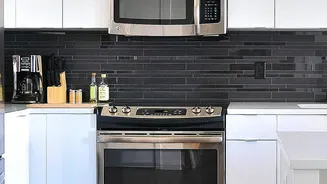
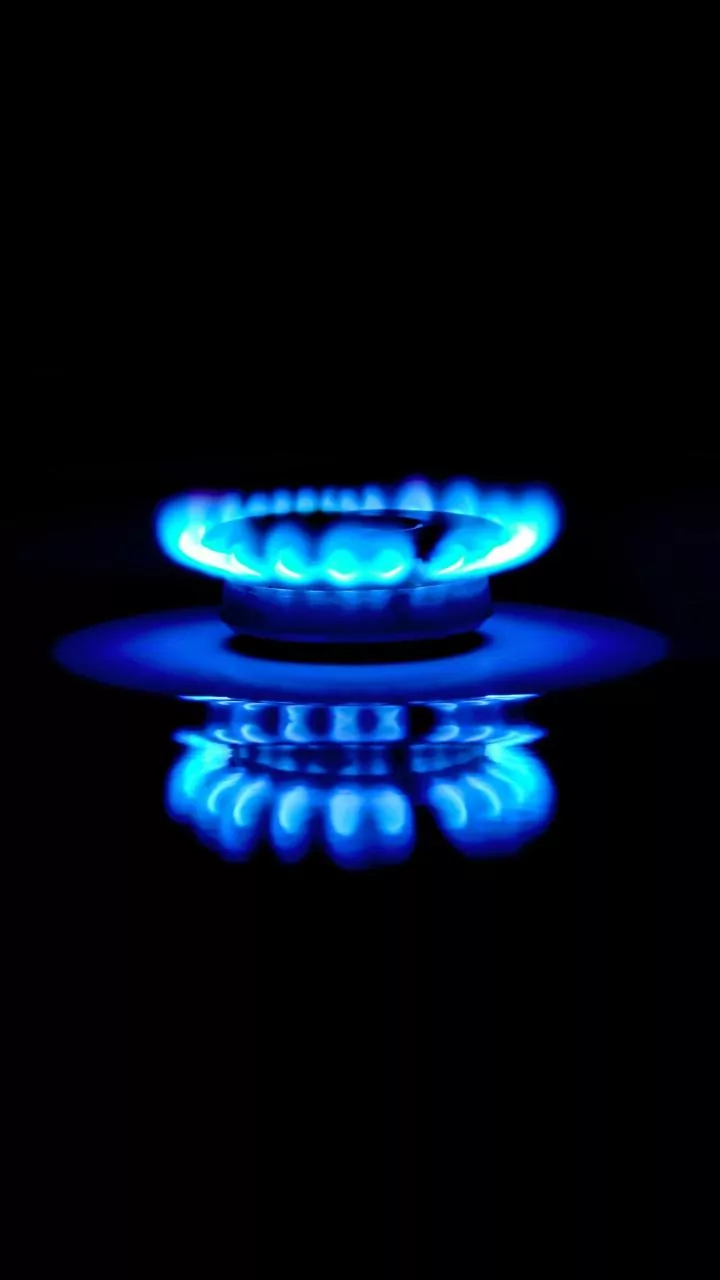
The conversation starts with a pollutant most people associate with outdoor smog: nitrogen dioxide (NO2). A growing body of research has confirmed that gas and propane stoves are a primary source of this harmful gas inside our homes. Unlike appliances
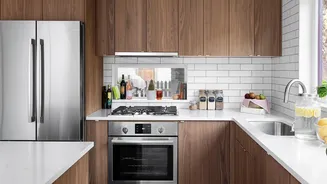
like furnaces or water heaters, which are typically vented directly outside, stovetops release emissions directly into the living space. Studies, including a recent one from Stanford University, show that burning gas for cooking can produce NO2 levels that exceed outdoor safety guidelines set by the World Health Organization. This is significant because, until now, most air quality regulations have focused on what happens outside. These findings shift the focus indoors, revealing that a common kitchen appliance can be a potent source of pollution.
Connecting Cooking Fumes to Asthma
The link between indoor NO2 and respiratory health is becoming alarmingly clear. Multiple studies have shown that children living in homes with gas stoves have a significantly higher risk of developing asthma symptoms—one meta-analysis placed the increased risk as high as 42%. A very recent study from July 2026 was the first to specifically show that when people with asthma switched from gas to electric stoves, their respiratory symptoms improved. The nitrogen dioxide released from gas flames irritates the airways, which can trigger asthma attacks, worsen existing conditions, and increase susceptibility to respiratory infections. Researchers now attribute tens of thousands of childhood asthma cases directly to long-term NO2 exposure from gas stoves, turning a simple appliance choice into a critical public health issue.
Why It's a Housing and Equity Issue
The health risks are not distributed equally, which is why the conversation is expanding to housing. The impact of stove pollution is much worse in smaller homes with poor ventilation. In these settings, toxic gases like NO2 can accumulate to dangerous concentrations much more quickly. Research shows that lower-income households, which are more likely to live in smaller, older apartments and have less control over their appliances or ventilation systems, face disproportionately higher exposure. Advocacy groups have pointed out that this makes indoor air quality an environmental justice problem, urging housing authorities to prioritize the replacement of gas stoves in public and affordable housing. The cost of upgrading electrical systems for a new stove can be thousands of dollars, putting a healthier home out of reach for many families without systemic support.
The Push for Broader Solutions
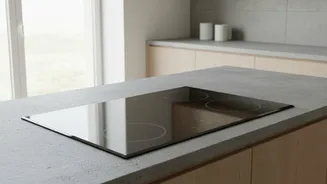
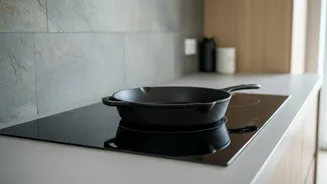
While using an exhaust hood can help, experts caution that it's only a partial solution, as they don't capture all emissions and are not always used. This reality is fueling calls for more comprehensive research and policy changes. Scientists want to better understand the long-term effects of exposure to the cocktail of pollutants from gas stoves, which also includes carcinogens like benzene. At the same time, public health advocates and housing experts are pushing for new standards. This includes updating building codes to require better ventilation and facilitate the switch to electric cooking, providing financial incentives for households to make the change, and funding further studies to track the health benefits of such interventions. One pilot study in affordable housing found that switching to induction stoves cut daily NO2 concentrations by over 50%.