





A Nutritional Powerhouse
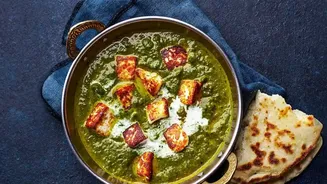
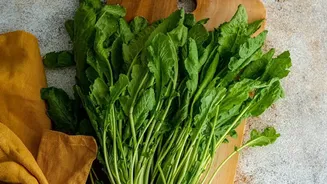
At its core, saag is a powerhouse of nutrition. Traditionally made from mustard greens (sarson), it often includes a mix of other leafy greens like spinach (palak), fenugreek (methi), or bathua. These greens are loaded with essential vitamins and minerals.
They are an excellent source of Vitamin K, crucial for bone health and blood clotting, as well as Vitamin A, which supports vision and immune function. They also provide a healthy dose of Vitamin C, an antioxidant that fights cell damage, and minerals like iron, calcium, and potassium. Furthermore, saag is packed with dietary fibre, which aids digestion, helps you feel full longer, and supports a healthy gut.
The Impact of Cooking
How you cook your saag matters. While some nutrients, like Vitamin C, are sensitive to heat and can diminish during prolonged cooking, the process isn't all bad news. Cooking actually helps break down the cell walls of the greens, which can make certain nutrients more available for your body to absorb. For example, cooking spinach can reduce levels of oxalic acid, a compound that can block the absorption of iron and calcium. Steaming or lightly sautéing is often recommended as a way to preserve nutrients better than boiling for long periods. The key is to find a balance—cooking the greens until they are tender without turning them into a lifeless mush.
Why the Whole Plate Counts
Here's the central message: saag does not exist in a nutritional vacuum. The foods you pair with it are critical for unlocking its full potential. This is due to a concept called nutrient synergy, where certain food combinations enhance the absorption of nutrients. For instance, the vitamins A and K in saag are fat-soluble, meaning your body needs fat to absorb them effectively. A traditional dollop of ghee not only adds flavour but also serves a vital nutritional purpose by helping your body utilize these vitamins. Similarly, the iron found in leafy greens is 'non-heme' iron, which is harder for the body to absorb than the iron from animal sources. However, pairing it with a food rich in Vitamin C—like a squeeze of lemon juice or a side of tomatoes—can significantly boost iron absorption.
The Classic Pairings Re-examined
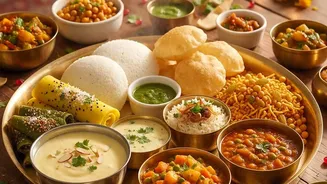
The classic meal of sarson ka saag with makki di roti is a perfect example of traditional food wisdom. The corn-based flatbread provides complex carbohydrates for sustained energy and additional fibre. However, modern additions can turn this healthy dish into a calorie-heavy indulgence. While a small amount of ghee or white butter is beneficial, drowning your saag in fat negates many of its health perks. Likewise, adding large amounts of cream or paneer can dramatically increase the saturated fat and calorie content. The goal is to enhance, not overwhelm. Being mindful of portion sizes and the richness of your additions is crucial for keeping the meal balanced.
Building a Healthier Saag Meal
Making your saag meal healthier doesn't mean sacrificing flavour. It’s about making smart, simple swaps. Use ghee or mustard oil, but do so sparingly. Enhance flavour with ginger, garlic, and spices instead of relying solely on fat and salt. Always add a sour element, like lemon juice or tomato, to boost that iron uptake. To make it a more complete meal, consider pairing it with a lean protein or a side of lentils. Opt for whole-grain rotis, such as those made from jowar, bajra, or whole wheat, instead of refined flour options to increase fibre intake. By thinking about the entire plate, you transform a simple dish into a well-rounded, nourishing meal.