



A Tale of Two States
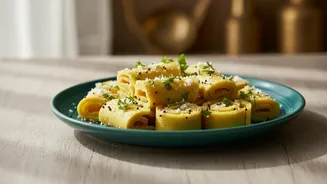
Suralichi Vadi, also called Khandvi, is a savoury snack cherished in both Gujarati and Maharashtrian cuisines. Made primarily from gram flour (besan) and yogurt or buttermilk, these yellowish, bite-sized rolls are known for their soft, melt-in-the-mouth
texture. The flavour is a gentle balance of tangy and savoury, brought to life by a simple tempering of spices. Often served as an appetiser or a light tea-time snack, it’s a naturally gluten-free dish that never fails to impress with its elegant appearance and delicate taste. While many opt to buy it from shops, making it at home is a rewarding process that hinges on getting a few key steps just right.
The Foundation: A Perfect Batter
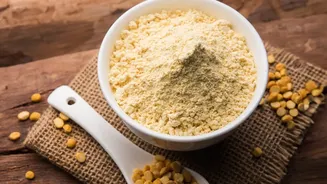
The journey to perfect Suralichi Vadi begins with the batter. The core ingredients are simple: besan, yogurt (preferably slightly sour), water, and basic seasonings like turmeric, salt, and a ginger-chilli paste. The most critical factor here is the ratio. A common guideline is a 1:1:1 ratio of besan, curd, and water, or a 1:2 ratio of besan to liquid if using only buttermilk. Sticking to precise measurements is key, as too much liquid will result in a sticky batter that is difficult to spread. The second rule is to ensure the batter is completely smooth and free of lumps. Using a whisk or even a blender to mix the ingredients can help achieve that silky consistency before any cooking begins.
The Crucial Cooking Process
Once the batter is prepared, it must be cooked to the correct consistency. This is arguably the most vital stage. The batter should be cooked in a heavy-bottomed or non-stick pan over a medium flame, and it requires constant stirring. This continuous motion is essential to prevent lumps from forming and to ensure the mixture cooks evenly. As it cooks, the batter will thicken significantly, changing from a flowing liquid to a shiny, smooth paste that starts to pull away from the sides of the pan. To check if it's done, you can perform a small test: spread a tiny spoonful on a greased plate, let it cool for a minute, and try to roll it. If it peels off cleanly and rolls up, the batter is ready. If not, it needs a few more minutes of cooking.
The Art of Spreading Thin
As soon as the batter is cooked, speed is of the essence. The hot mixture needs to be spread thinly and evenly while it is still pliable. If it cools, it will solidify and become impossible to spread. Before you even start cooking, it’s wise to prepare your surfaces. The back of steel plates (thalis), a clean marble countertop, or large baking trays work well. Lightly greasing these surfaces can help, though some find it unnecessary if the surface is smooth. Using an offset spatula or the back of a flat ladle, pour portions of the hot batter and quickly spread it into a paper-thin layer. The thinner the layer, the more delicate your final rolls will be.
Rolling and Finishing with Tadka
Allow the spread sheets to cool for about five to seven minutes. Once set, use a knife or a pizza cutter to slice them into long strips, typically about two inches wide. Now comes the satisfying part. Carefully lift the edge of one strip and gently roll it into a tight, neat pinwheel. Arrange these rolls on a serving platter. The final flourish is the tempering, or tadka. Heat a little oil in a small pan and add mustard seeds. Once they pop, add sesame seeds, slit green chillies, and curry leaves. Pour this fragrant, sizzling mixture evenly over the Suralichi Vadi. A generous garnish of freshly grated coconut and chopped coriander leaves adds the finishing touch of flavour and texture.