

The Magic of Gochujang
Before we build our bowl, it’s worth getting to know the star ingredient. Gochujang is a staple condiment in Korean cooking, a thick, deep red paste with a complex flavor that is simultaneously spicy, sweet, and deeply savory. It's not simply a hot sauce;
its unique taste comes from a careful fermentation process involving red chili powder, glutinous rice, fermented soybean powder, and salt. This process creates a profound umami depth that single-note hot sauces lack. In traditional Korean cuisine, gochujang is a foundational element in everything from marinades for grilled meats and flavor bases for hearty stews (jjigae) to the iconic sauce that brings a bowl of bibimbap to life. Its rich, sticky texture and balanced profile make it an incredibly versatile pantry hero.
Inspired, Not a Replica
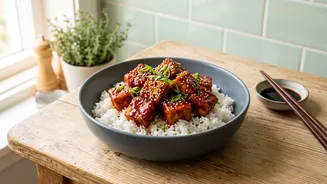
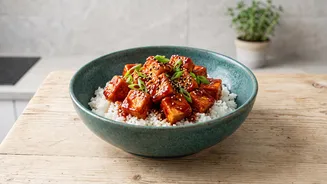
Here’s where context becomes crucial. A simple tofu and rice bowl, while delicious, is best described as “Korean-inspired” rather than a traditional Korean dish. This isn't a knock on its flavor, but an important distinction that shows respect for culinary traditions. Traditional Korean meals are often built on a principle of balance, featuring a central bowl of rice accompanied by a variety of side dishes known as banchan. This spread of flavors, textures, and colors is a hallmark of the cuisine. A single bowl meal, a format popular in modern and Western kitchens for its convenience, borrows a key flavor—in this case, gochujang—to create something new. By calling it “Korean-inspired,” we celebrate the ingredient’s roots and its journey into new culinary creations without claiming to have replicated a traditional, culturally specific dish. It’s an appreciation of a flavor profile, adapted into a new and accessible format.
Building Your Perfect Bowl
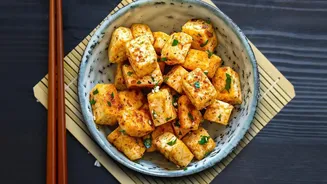
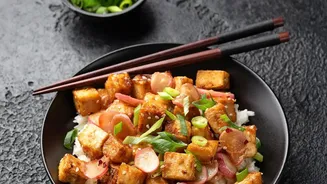
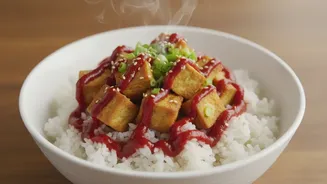
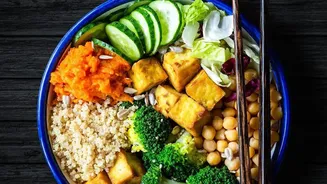
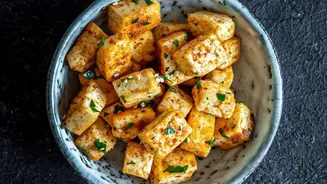
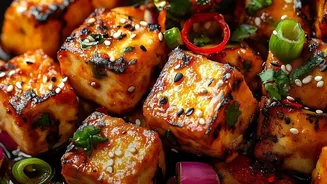
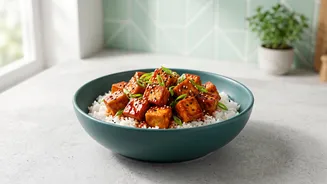
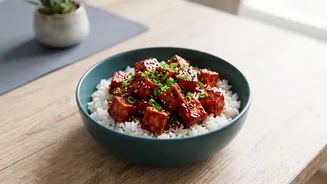
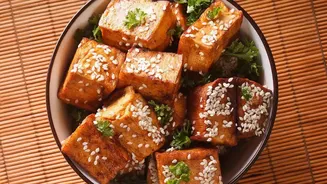
The beauty of an inspired bowl is its flexibility, but a great starting point combines texture and temperature. Begin with a foundation of fluffy steamed rice. The main event is the tofu, and the goal is a crispy exterior that holds up to the sauce. To achieve this, press a block of extra-firm tofu to remove as much water as possible, then cube it and toss it in a light coating of cornstarch. Pan-fry or bake the cubes until they are golden brown and audibly crisp. While the tofu cooks, you can prepare some simple, fresh vegetables to provide a cool contrast to the spicy glaze. Thinly sliced cucumbers, grated carrots, and fresh bean sprouts are excellent choices. A sprinkle of chopped spring onions and toasted sesame seeds at the end adds a final layer of texture and aromatic freshness.
Mastering the Gochujang Glaze
The glaze is what ties everything together. While gochujang is the lead singer, it performs best with a backing band of other ingredients that balance its intensity. A classic combination starts with a few tablespoons of gochujang. Whisk it in a small pan with soy sauce for saltiness, a sweetener like maple syrup or honey to complement the paste’s inherent sweetness, and a splash of rice vinegar for a touch of acidity. Finely minced garlic and grated ginger are essential for adding aromatic warmth. Gently heat the mixture, stirring until it's smooth and slightly thickened. You’re not looking to cook it for long, just to meld the flavors. Once your tofu is crispy, simply toss it in the warm glaze until every piece is generously coated in the sticky, spicy, and savory sauce.