







Composition: More Than Just Sweetness
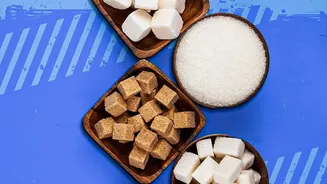
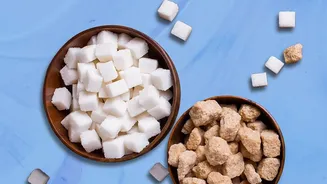
At a basic level, both honey and table sugar are carbohydrates made of glucose and fructose. Table sugar, or sucrose, is a simple, 50-50 chemical bond of glucose and fructose. Your body has to break this bond during digestion. Honey, on the other hand,
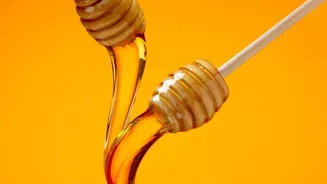
is a more complex substance. It's roughly 30% glucose and 40% fructose, with the remainder being water, pollen, and trace amounts of minerals and vitamins like potassium, B vitamins, and vitamin C. Because its sugars are mostly separate, they are absorbed more directly by the body.
Calories and Sweetness
This is where things get tricky. A tablespoon of honey actually contains more calories than a tablespoon of sugar—about 64 compared to 49. This is because honey is denser. However, honey is also sweeter than sugar, thanks to its higher fructose content. This means you might be able to use less of it to achieve the same level of sweetness, potentially saving calories overall. But if you're substituting cup-for-cup in recipes, honey will add significantly more calories.
The Glycemic Index Factor
The glycemic index (GI) measures how quickly a food raises blood sugar levels. Here, honey has a slight edge. Table sugar has a GI of around 65-80, while honey's GI is typically lower, around 50-58, depending on the variety. This means honey raises blood sugar a bit more slowly than sugar. This difference is due to its higher fructose content and the presence of other compounds. For people with diabetes, this makes honey a marginally better choice, but it will still raise blood sugar and must be consumed with caution and in moderation.
The 'Health Halo': What About the Nutrients?
This is honey’s main claim to fame. Unlike refined table sugar, which provides 'empty calories', honey contains small amounts of beneficial compounds. Raw, unfiltered honey is a source of antioxidants, including flavonoids and phenolic acids, which help fight inflammation in the body. It also possesses natural antibacterial and antimicrobial properties, which is why it has been used for centuries in wound healing and as a cough suppressant. Darker honeys, like buckwheat, tend to have more antioxidants than lighter varieties.
The Bottom Line: It’s Still Sugar
Despite these benefits, health authorities are clear: honey is a 'free sugar', just like table sugar. The trace amounts of vitamins and minerals are generally too small to offer a significant health benefit in the small quantities we should be consuming sweeteners. Excessive consumption of any added sugar, including honey, is linked to the same health problems: weight gain, increased risk of type 2 diabetes, dental cavities, and heart disease. Your body metabolizes the sugar in honey in much the same way as it does refined sugar. Therefore, both should be used sparingly.