






An Unexpected and Abrupt Departure
On November 12, 2026, Nvidia announced that founder Jensen Huang had voluntarily resigned as President, CEO, and board member. The move followed reports of personal conduct inconsistent with company policy. The board unanimously accepted his resignation
and, despite a public offer from Huang to return, has stated it does not intend to reinstate him. The news sent shockwaves through the tech industry, prompting an independent investigation by the board and a separate probe by the SEC. Chief Financial Officer Colette Kress has stepped in as interim CEO while the board, assisted by a search firm, seeks a permanent successor from both internal and external candidates.
Reassuring a Nervous Market
In the immediate aftermath, Nvidia's leadership has focused on projecting stability. In an earnings call, interim CEO Kress and board chairman Harvey C. Jones emphasized that operations, the product roadmap, and customer commitments would continue without interruption. To quell concerns about employee retention after Huang's exit, leadership even accelerated pay raises and equity grants. A key cultural element, Huang's signature 'T5T' (Top 5 Things) email ritual, which encourages transparent communication across all levels of the company, is also being preserved to maintain the company's collaborative ethos.
Doubling Down on the AI Roadmap
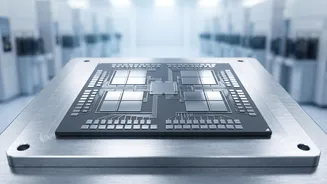
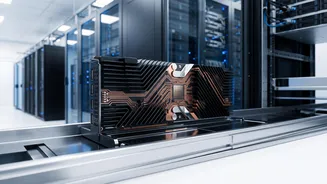
Strategically, the message is one of continuity. Kress reaffirmed Nvidia's commitment to its aggressive AI chip roadmap and its support for an open-source AI model ecosystem. The company's next-generation 'Rubin' AI chip platform is still slated to begin shipping in the second half of 2026, with the subsequent 'Feynman' architecture planned for 2028. This relentless annual cadence is central to Nvidia's plan to maintain its dominance over competitors. The strategy isn't just about creating the best hardware, but also the software, like its foundational CUDA platform, that makes its chips indispensable for AI development.
Securing Customer and Supply Commitments
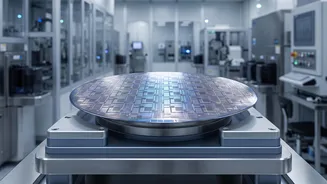
Perhaps the most critical part of the post-Huang strategy involves solidifying commitments on both ends of the business. The company has made staggering financial commitments—totaling over $530 billion by some analyses—to secure its supply chain for memory and manufacturing capacity for years to come. Simultaneously, Nvidia is working to lock in its customers. This includes direct investments in AI startups and complex financing guarantees designed to ensure that emerging AI clouds and developers build their systems around Nvidia's hardware. However, Huang's departure has cast some doubt on these massive financing initiatives, with reports suggesting that a $500 billion program arranged with Wall Street firms has yet to deploy any capital.