




A Golden Legacy in Every Kitchen
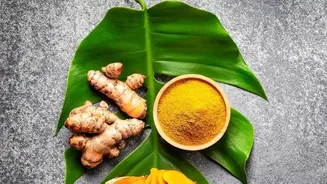
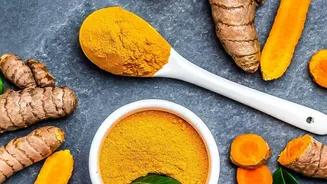
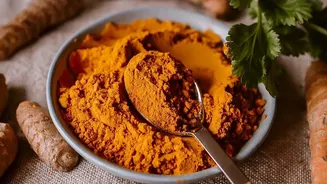
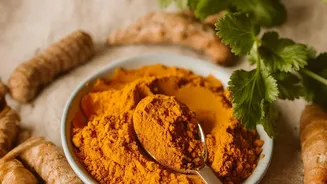
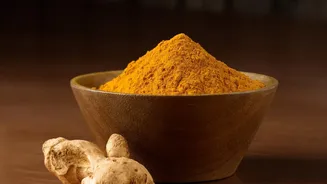
For thousands of years, turmeric (haldi) and ginger (adrak) have been more than just spices in India; they are pillars of traditional medicine like Ayurveda. Turmeric is revered for its use in everything from wound healing to culinary rituals, while ginger is the go-to
remedy for an upset stomach or a common cold. This long history is built on generations of observational wisdom, where these rhizomes were used holistically as part of a balanced lifestyle. They were never seen as a single magic bullet, but rather as supportive elements in a broader approach to health that included diet, lifestyle, and overall balance. Their recent explosion onto the global wellness stage, however, often strips them of this context, promoting them as standalone cures.
Myth: An Instant Immunity Shield
Many products and wellness gurus claim that ginger and turmeric can 'supercharge' or 'boost' your immune system, acting as a shield against illness. The reality is more nuanced. While some test-tube and animal studies suggest that active compounds like curcumin (in turmeric) and gingerol (in ginger) have antiviral and antibacterial properties, this doesn't directly translate to preventing a cold in humans who consume them in food amounts. Fresh ginger has shown some effectiveness against respiratory viruses in lab settings, and both spices have anti-inflammatory properties that can help immune function. However, they are not a replacement for the true foundations of a strong immune system: a balanced diet, adequate sleep, and regular exercise. Thinking a shot of turmeric will grant you instant immunity is a myth; their role is supportive, not preventative in a miraculous way.
Reality: Powerful Anti-Inflammatory and Digestive Aids
Where turmeric and ginger truly shine is in their scientifically-backed roles as anti-inflammatory agents and digestive aids. The compound curcumin in turmeric is a potent anti-inflammatory that works by blocking certain molecules that trigger inflammation. This makes it a helpful dietary component for managing conditions related to chronic inflammation. Ginger's power lies in its ability to soothe the digestive system. Its compounds, gingerol and shogaol, help speed up stomach emptying, which can provide significant relief from nausea, bloating, and gas. This is why ginger has long been recommended for morning sickness during pregnancy and for patients undergoing chemotherapy.
The Bioavailability Hurdle with Turmeric
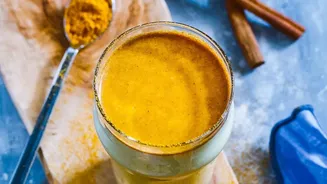
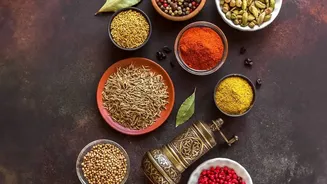
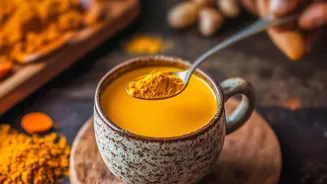
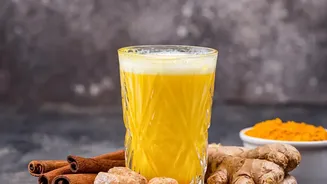
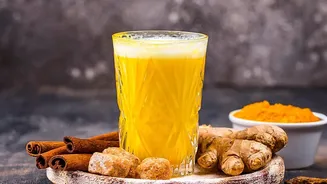
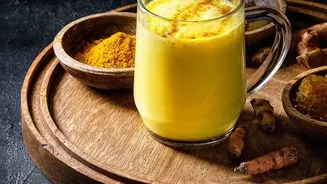
Simply eating lots of turmeric won't necessarily give you its full anti-inflammatory benefits. The star compound, curcumin, has low bioavailability, meaning our bodies don't absorb it very well on its own. This is where traditional Indian cooking methods have an edge. For centuries, Indian cuisine has paired turmeric with black pepper and fats like ghee or oil. Black pepper contains piperine, a compound that has been shown to increase curcumin's absorption by up to 2,000%. Fats also help with absorption. So, the tempering of spices in hot oil (tadka) or a pinch of black pepper in your haldi doodh isn't just for flavour—it's food science that our ancestors perfected long ago.
Food First, But Handle Supplements with Care
Incorporating turmeric and ginger into your daily cooking is a safe and healthy way to reap their benefits. However, the conversation changes when it comes to high-dose supplements. While they offer a concentrated amount of active compounds, they also carry risks. Excessive intake of concentrated curcumin supplements has been linked to digestive issues, and in some rare cases, serious liver injury. Doses in many commercially available supplements far exceed what is considered safe by health organizations. The U.S. FDA suggests a safe upper limit for ginger is about 4 grams per day from all sources. Enjoying these spices in your dal, curries, and chai is beneficial. If you are considering high-dose supplements for a specific health issue, it's crucial to approach them with caution and not as a casual wellness trend.