

What the Viral Clip Shows
Recent clips circulating on social media platforms showcase the driver’s-eye-view of a Tesla navigating a complex urban environment using its “Full Self-Driving” (FSD) Supervised feature. On the large center touchscreen, the car’s software renders a real-time,
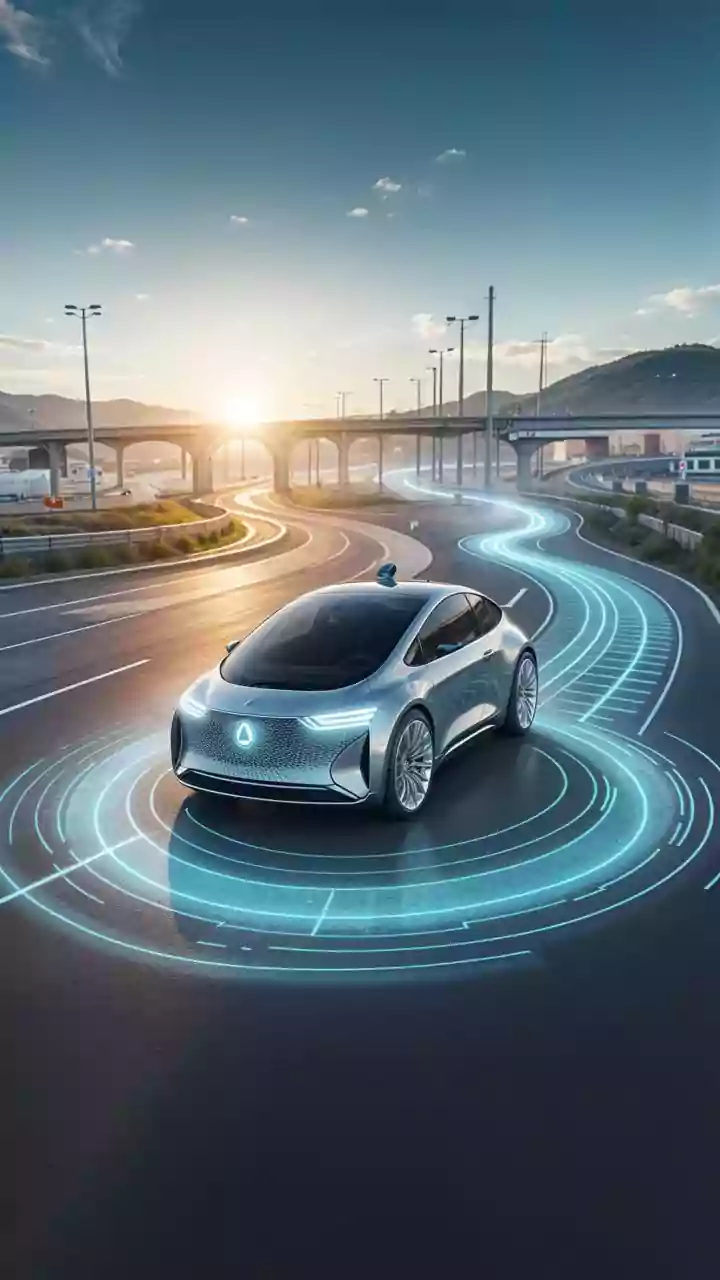
3D model of its surroundings. The display shows not just the car's intended path but also a flurry of other potential trajectories, ghost-like images of pedestrians, and shifting models of other vehicles. To the uninitiated, the visualization can look erratic and confusing, as if the car is considering multiple, sometimes contradictory, moves at once. This visual complexity is at the heart of the current debate, making viewers question what the car is truly thinking and whether its actions are safe.
The Argument for Concern
For skeptics of autonomous technology, these videos are cause for alarm. The on-screen chaos seems to reflect a system that is uncertain or dangerously unpredictable. Critics argue that such a display could confuse the driver, who is legally required to remain attentive and ready to intervene. If the visualization doesn't clearly and calmly communicate the car's next move, how can a driver effectively supervise it? This concern is amplified by ongoing federal investigations into Tesla's driver-assist features. The National Highway Traffic Safety Administration (NHTSA) has multiple open probes, including one examining incidents where Teslas with FSD engaged allegedly ran red lights or drove the wrong way. For many, the viral clips are not isolated incidents but rather visual proof that the technology is being tested on public roads before it is truly ready, a sentiment that has been echoed by some former employees.
Is It Simply Working as Designed?
Tesla supporters and AI experts offer a different interpretation. They argue that the on-screen visualization is not a direct feed of the car's final decision but a representation of the neural network's complex processing. The system is constantly evaluating dozens of possibilities based on data from its cameras—a process that can look messy but is fundamental to how it works. What matters, they contend, is not the fleeting visual clutter but the car's final, decisive action, which in most shared clips is smooth and safe. According to this view, the display is primarily there to build driver confidence by showing what the car can 'see,' even if it's an oversimplification of the underlying computation. Some have even noted that the visualization is a distinct software stack and not perfectly representative of the AI's 'thoughts'.
The Human-Machine Communication Gap
Ultimately, the controversy highlights a significant communication gap. Tesla's FSD is a Level 2 driver-assistance system, meaning the driver is always responsible. However, the marketing and the very name “Full Self-Driving” can create an impression of full autonomy, leading to misuse. The on-screen display is the primary interface between the driver and the complex AI, and its design is crucial. If the visualizations are perceived as chaotic, it can erode trust, regardless of the system's actual capabilities. The debate is less about a single clip and more about how advanced systems should communicate their intentions to the human supervisor. As one analyst noted, the hardest part of driving isn't always seeing objects, but understanding human intent and social cues—a challenge the AI is still learning to navigate.
The Bigger Picture: Regulation and Trust
This single clip feeds into a much larger conversation about the future of driving. Regulators are grappling with how to test and approve systems that are constantly learning and updating. NHTSA's ongoing investigations into hundreds of crashes involving Autopilot underscore the stakes. While Tesla maintains that its systems, when used correctly, save lives and are statistically safer than human drivers, the path to public and regulatory acceptance is fraught with challenges. The company has even faced accusations of staging early promotional videos to overstate the system's capabilities, creating a legacy of skepticism it still battles today. Building trust requires not only improving the technology itself but also ensuring its marketing is accurate and its user interface is intuitive and clear, something this recent clip proves is still a work in progress.