

From Heirloom Heft to Everyday Elegance
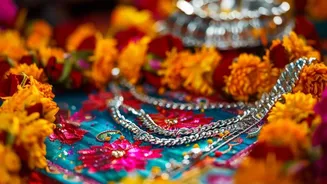
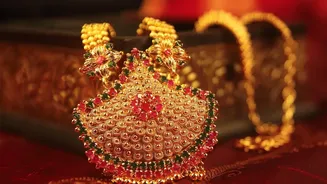
For generations, the mangalsutra was an unmistakable statement piece, characterized by long, thick chains of black beads and substantial gold pendants. These designs were beautiful and significant but often proved impractical for daily life. Today’s woman,
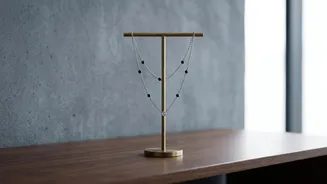
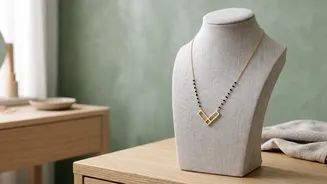
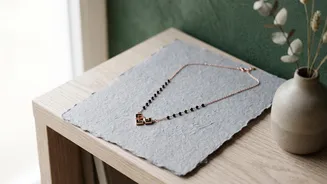
who may navigate a corporate boardroom, a daily commute, and a casual brunch all in one day, seeks jewellery that moves with her. This has driven a significant shift towards minimalist designs. Jewellers and designers have responded by creating lightweight mangalsutras that weigh as little as one to five grams, ensuring comfort without compromising on the sanctity of the tradition. The focus has moved to clean lines, delicate proportions, and understated elegance that complements both Indian and Western wardrobes.
A Symbol of Modern Identity
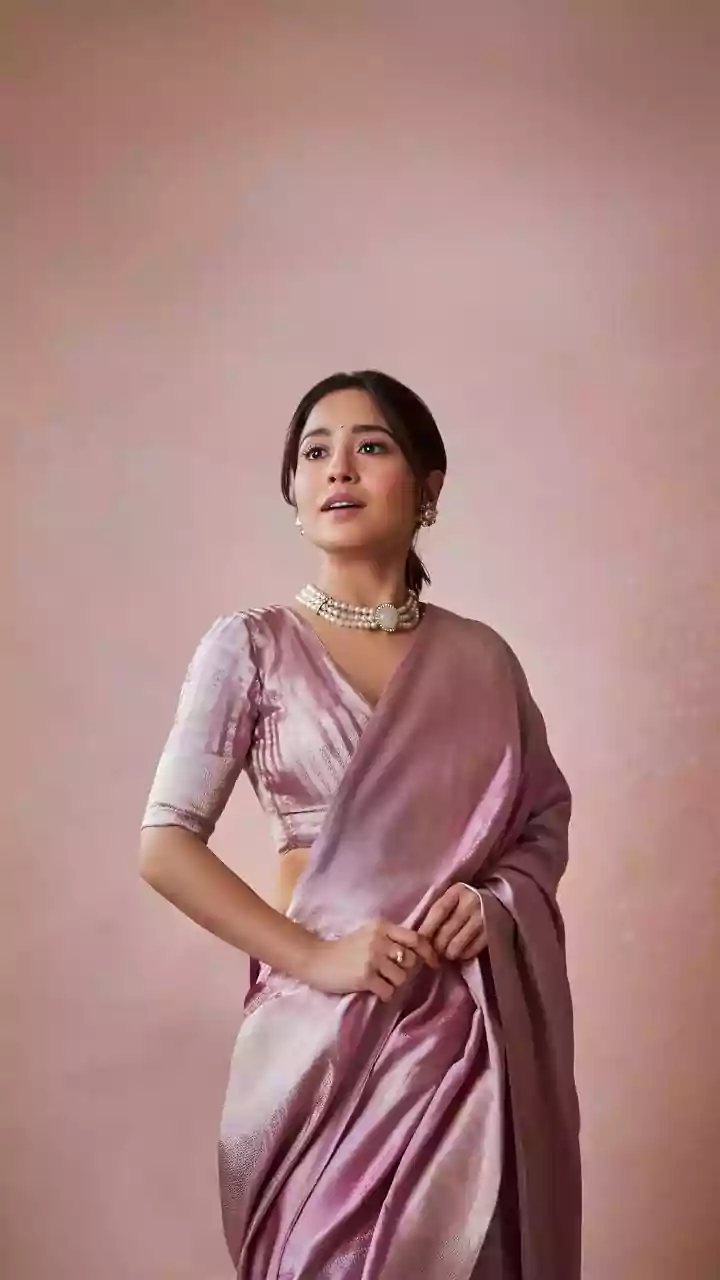
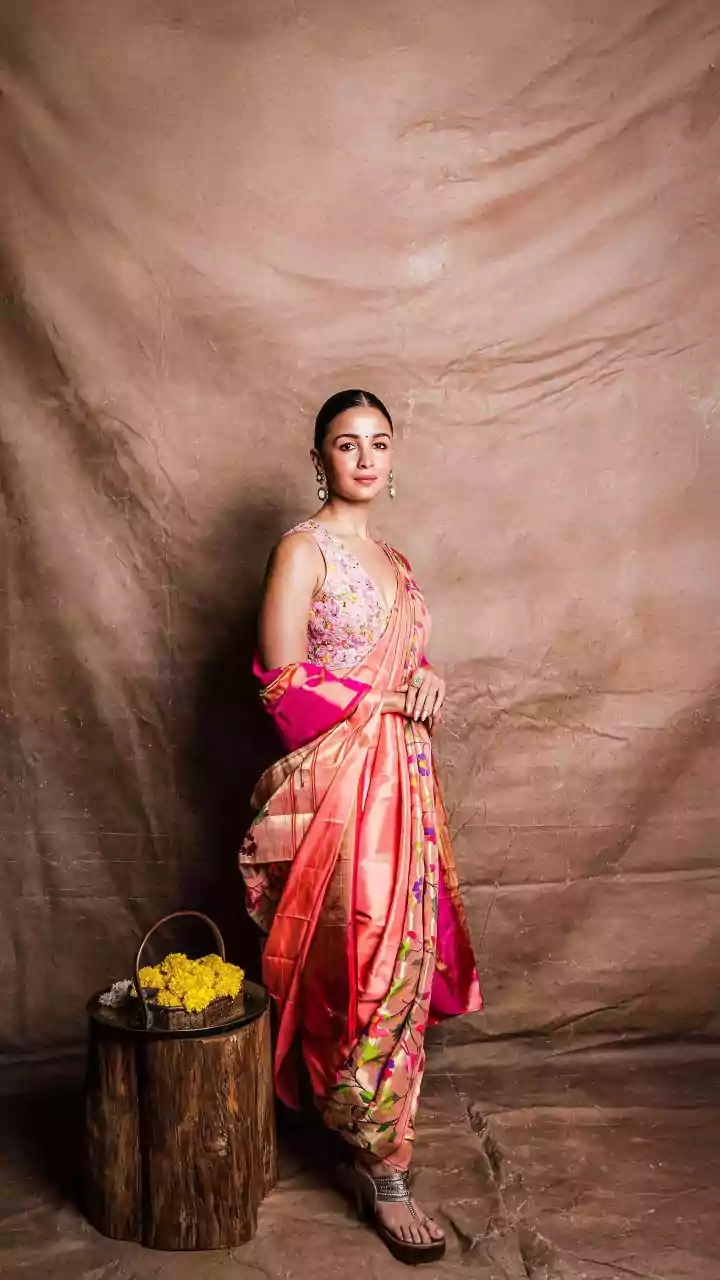
The trend towards minimalist mangalsutras is more than just a fashion choice; it reflects a broader cultural evolution. Modern women are looking for ways to honour their heritage while expressing their individuality. A heavy, traditional mangalsutra might not align with a minimalist aesthetic or a professional dress code. The new, sleek designs allow women to wear this symbol of commitment daily, in a way that feels authentic to their personal style. It’s about transforming a traditional obligation into a personal style statement. These contemporary pieces are versatile, suitable for layering, and transition effortlessly from a workday to an evening out, making the mangalsutra a constant, subtle companion rather than an occasional adornment.
The New Design Language
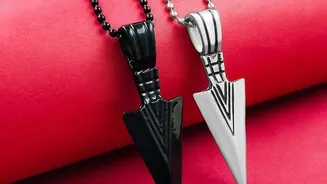
So, what do these modern mangalsutras look like? The changes are both subtle and striking. Chains have become finer and are often crafted from 14-karat or 18-karat gold, with rose gold and white gold gaining popularity as alternatives to traditional yellow gold. Pendants have shrunk in size and diversified in form. Instead of large, intricate motifs, you'll now find single solitaires, small diamond clusters, geometric shapes, infinity symbols, and even the wearer’s initials. Beyond the necklace, the very form of the mangalsutra is evolving. Mangalsutra bracelets and rings are increasingly popular, offering a fresh way to carry the symbol for women who prefer unadorned necklines.
The Enduring Power of Black Beads
Despite all these changes, one element has proven remarkably resilient: the black beads. Derived from the Sanskrit words 'mangal' (auspicious) and 'sutra' (thread), the mangalsutra's core identity is tied to this feature. Culturally, the black beads are believed to ward off the evil eye and absorb negative energy, protecting the marriage and the wearer. While modern designs might use fewer beads—sometimes just a handful on either side of the pendant—their inclusion is a conscious choice. It signifies that this evolution is not about discarding tradition, but about adapting it. The beads provide a thread of continuity, ensuring that even the most modern piece carries the weight of history and the depth of its original meaning.