







A Landmark Liftoff to the Maldives
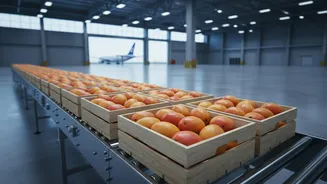
On July 30, a one-metric-tonne consignment of Neelam and Totapuri mangoes took off from Karnataka, destined for the Maldives. This wasn't just another export; it was the first-ever air shipment of these specific late-season varieties from the state, a milestone
facilitated by the Agricultural and Processed Food Products Export Development Authority (APEDA). The shipment was sourced directly from farmers in the Kolar district, a region known for its mango cultivation. This inaugural flight represents a crucial step in connecting Karnataka's horticultural heartland directly with international consumers, bypassing slower sea routes and multiple intermediaries.
Why Neelam and Totapuri Matter
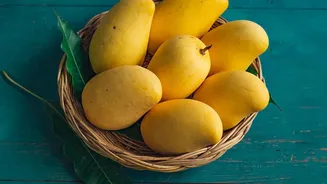
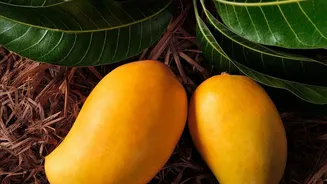
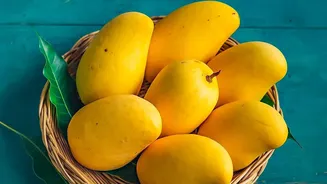
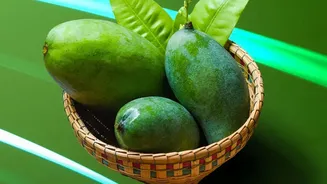
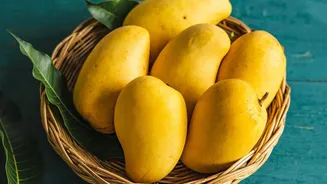
While varieties like Alphonso often dominate the mango conversation, Neelam and Totapuri are hugely important, especially for extending the export calendar. These are late-season varieties, harvested from late June through July, which means they can supply global markets after the peak season for other mangoes has passed. Neelam is prized for its sweet, juicy pulp and rich aroma, making it ideal for desserts and beverages. Totapuri, with its distinctive shape and sweet-tangy flavor, is incredibly versatile, sought after for both fresh consumption and the processing industry. By focusing on these varieties, Karnataka is not just selling mangoes; it's diversifying India's export basket and filling a valuable niche in the global supply chain.
A Game-Changer for Farmers
This direct export model has an immediate and profound impact on farmer incomes. Reports indicate that farmers involved in this initial shipment earned over 50% higher returns compared to selling their produce in conventional domestic markets. For instance, Totapuri mangoes, which might fetch as little as ₹3-4 per kg locally, were procured for ₹30 per kg for this export, while Neelam fetched ₹72 per kg against a local rate of around ₹30. This significant price jump is a direct result of shortening the supply chain. The mangoes were sourced from a Farmer Producer Company (FPC), which allows for organized aggregation and ensures quality standards are met, giving farmers collective bargaining power and direct access to lucrative international markets.
The Power of Collaboration
This success wasn't accidental; it was the result of a coordinated effort. APEDA played a crucial role in facilitating the shipment and ensuring compliance with international standards. The export was handled by Ahalya Devi Ventures, a company led by a newly registered woman entrepreneur, highlighting the growing role of women in India's agri-export ecosystem. Furthermore, the Prakruthimaya Farmers Producer Company Ltd. was instrumental in organizing the farmers and guaranteeing a consistent supply of high-quality produce. This collaboration between government bodies, private entrepreneurs, and farmer collectives serves as a powerful template for future agricultural export initiatives from the state.
Building on the Momentum
While this first shipment is a significant victory, the goal is to make it a sustainable, long-term success. Previously, these varieties were often exported from neighboring states like Andhra Pradesh. Establishing a direct export route from Karnataka is a strategic move to build the state's brand in the global horticultural market. The positive feedback from this initial consignment is expected to pave the way for larger and more frequent shipments in the coming seasons. For the farmers of Kolar, who have sometimes faced losses due to low domestic prices for Totapuri, this export channel offers a lifeline and a path toward greater economic stability. The state's agricultural policies have long aimed to promote exports and reduce post-harvest losses, and this initiative is a tangible outcome of that vision.