





The Allure of 'Natural' Sun Protection
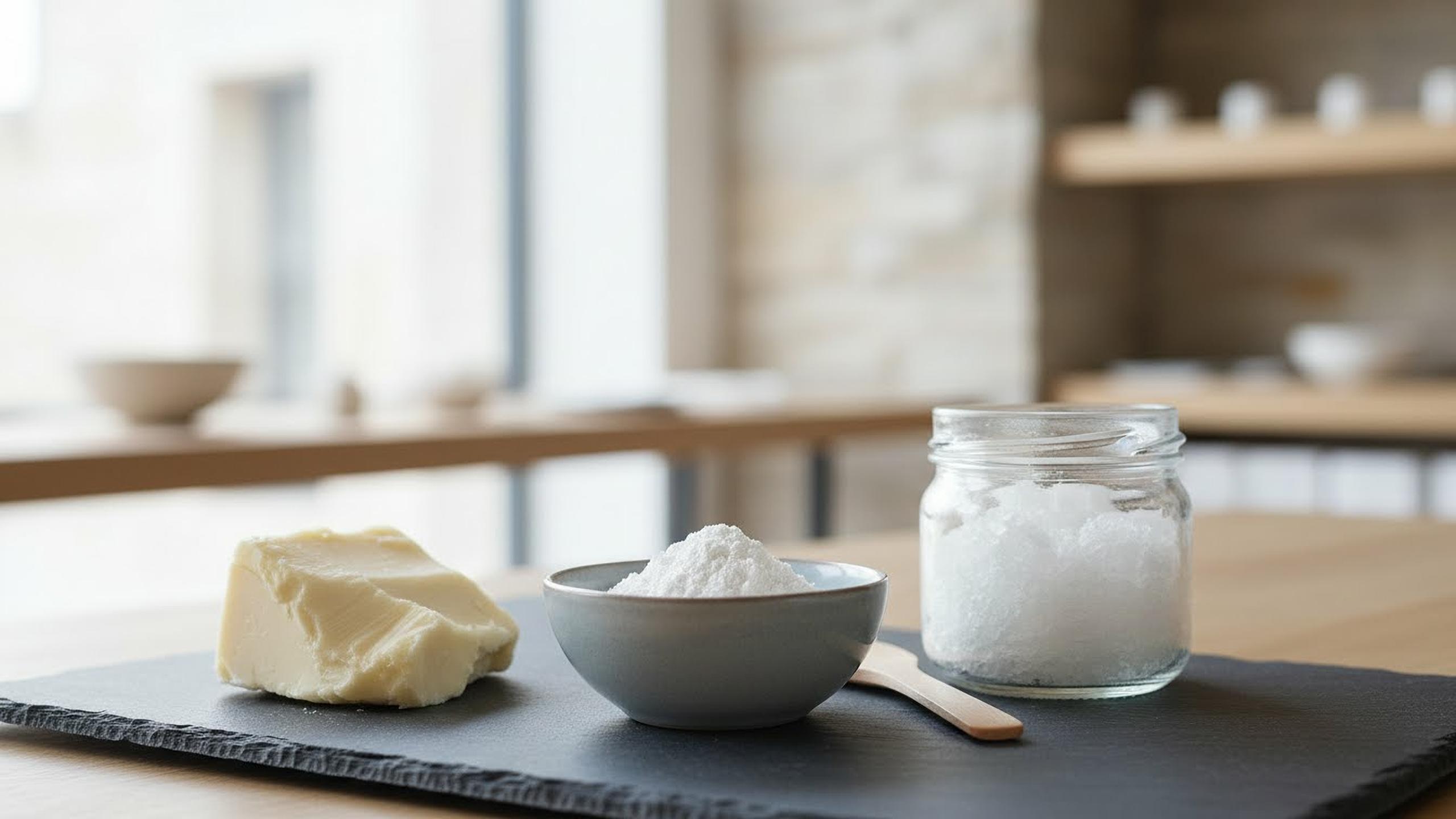
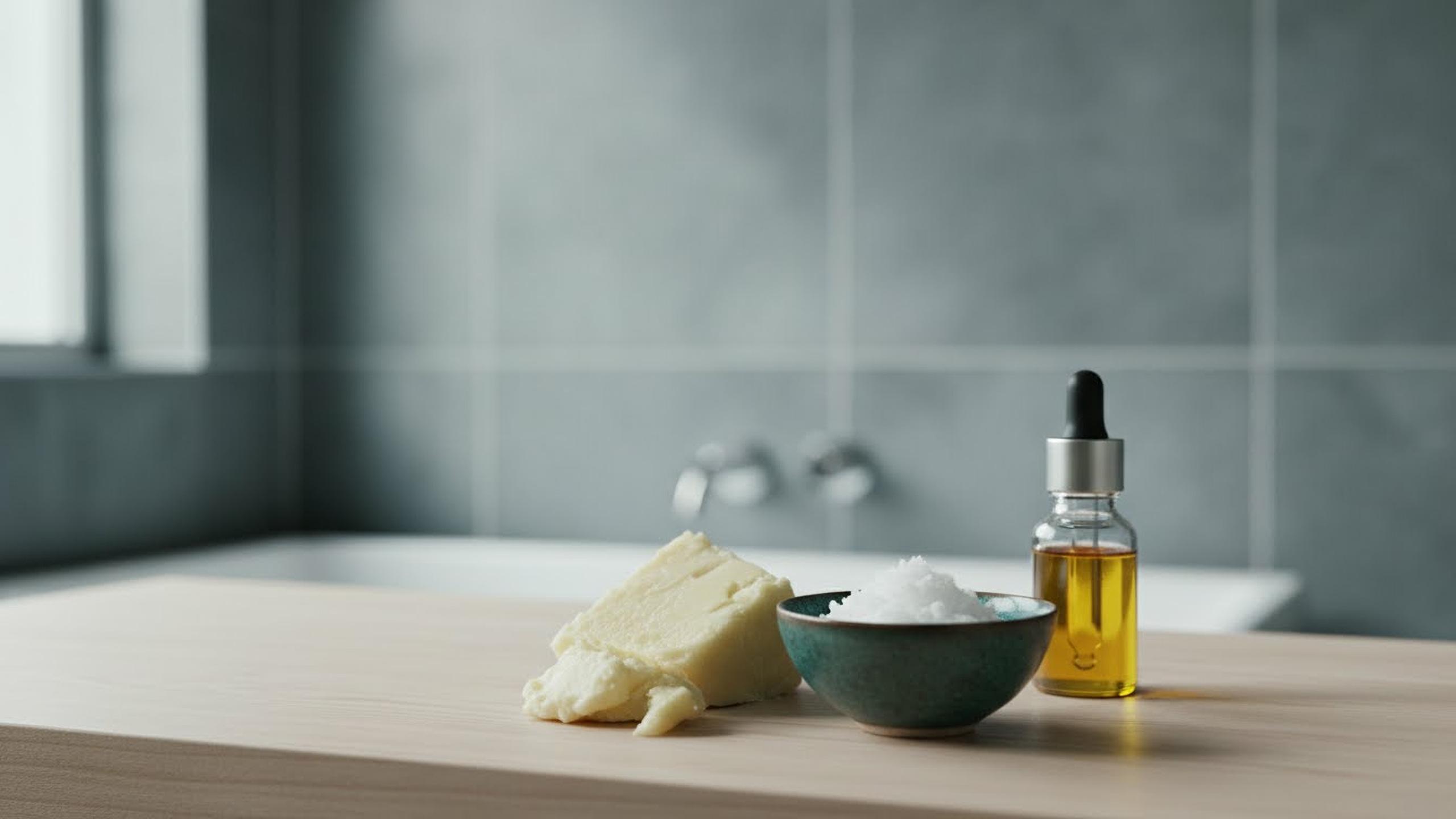
The internet is filled with recipes for homemade sunscreen, often promoted on social media by influencers who champion a 'from-scratch' lifestyle. The appeal is understandable: using simple, recognisable ingredients like coconut oil, shea butter, and essential
oils feels more wholesome than navigating a long list of chemicals on a commercial bottle. Proponents claim these alternatives are safer, free from potentially harmful additives, and better for the environment. This narrative taps into a broader consumer concern about what we put on our bodies. However, health experts caution that when it comes to sun protection, this DIY approach carries significant, often invisible, risks.
Confirmed: The Only Effective Ingredients
When we talk about effective sun protection, science points to two key mineral ingredients: zinc oxide and titanium dioxide. These are physical blockers, meaning they form a barrier on the skin that reflects harmful ultraviolet (UV) rays away. Commercial mineral sunscreens use these ingredients, and they are the only two sunscreen ingredients currently classified as generally recognised as safe and effective (GRASE) by the US Food and Drug Administration (FDA). Many DIY recipes correctly identify zinc oxide as a necessary component. In theory, this is the correct starting point for creating a physical sunblock. The confirmation, therefore, is that a core ingredient in many DIY recipes is, in fact, a legitimate UV filter.
Unclear and Dangerous: Getting the Formula Right
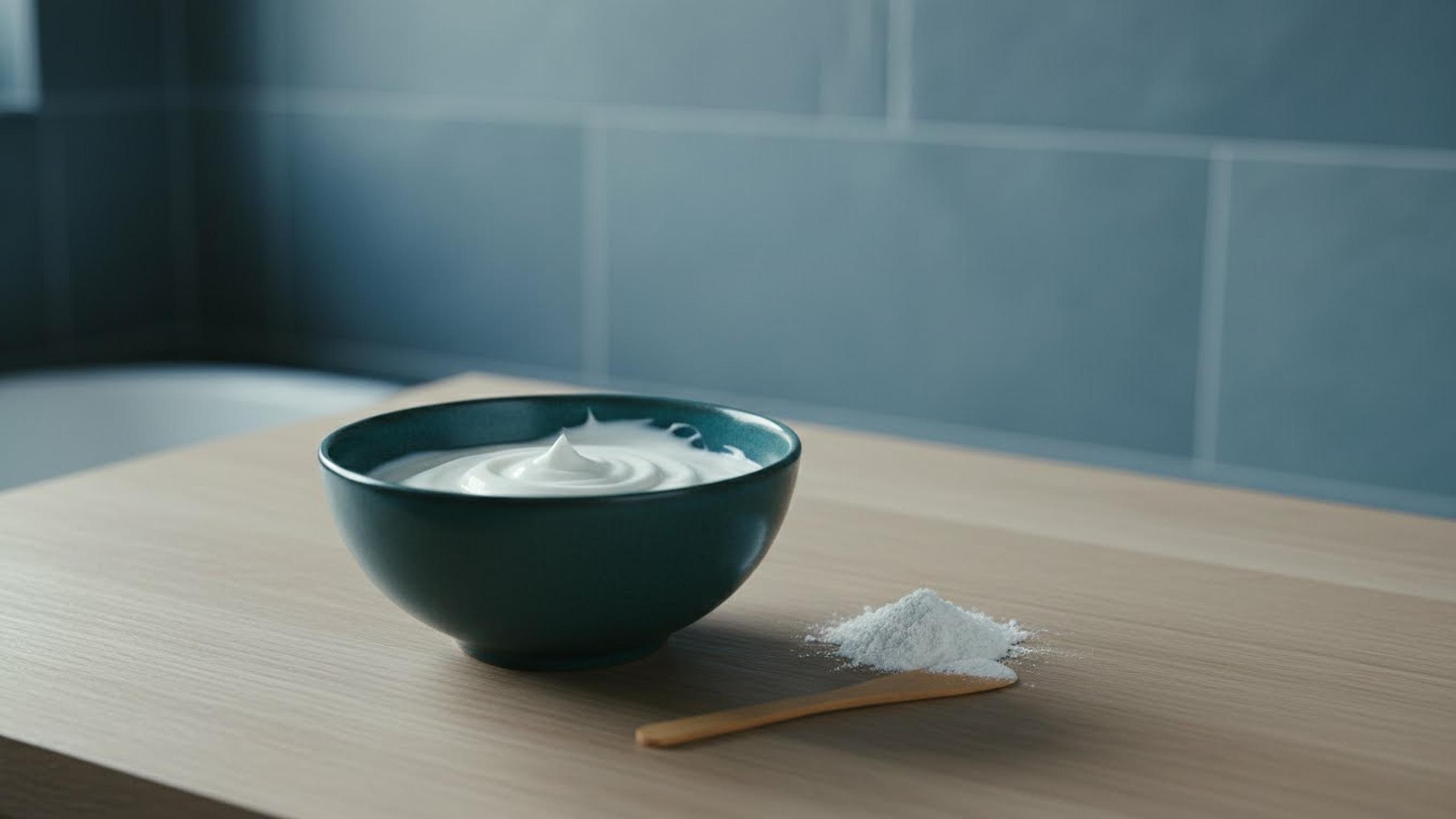
This is where the entire concept of DIY sunscreen falls apart. Simply adding zinc oxide to a jar of coconut oil does not make an effective sunscreen. Commercial manufacturers use sophisticated lab equipment and processes to ensure the zinc oxide particles are evenly and stably distributed throughout the lotion. Without this, the particles clump together, leaving microscopic gaps on your skin that are completely exposed to UV radiation. You can't see these gaps, but the sun's rays can find them. Furthermore, there is no way for a home crafter to test their creation for its Sun Protection Factor (SPF) or its water resistance. These require extensive and expensive clinical testing, which is why commercial sunscreens are regulated as drugs by the FDA. Every batch of DIY sunscreen can have a wildly different—and almost certainly inadequate—level of protection.
Confirmed Myth: The SPF of Natural Oils
A persistent and dangerous myth online is that certain natural oils, like raspberry seed or carrot seed oil, have a high SPF. Other oils like coconut oil are sometimes cited as having a low SPF of around 5 to 8. While some studies may show these oils have some UV-protective properties in a lab setting, they are not a substitute for sunscreen. In the real world, applying these oils can actually increase sun damage by absorbing sunlight and helping UV rays penetrate the skin more deeply, essentially 'frying' the skin. Dermatologists are clear: relying on vegetable, fruit, or essential oils for sun protection is ineffective and harmful. An SPF of 8 is far below the minimum SPF 30 recommended by the American Academy of Dermatology.
The Unseen Risk: Lack of Broad-Spectrum Protection
Effective sun protection must be 'broad-spectrum', which means it protects you from both UVB rays (the primary cause of sunburn and skin cancer) and UVA rays (the primary cause of premature ageing and a contributor to skin cancer). Commercially produced sunscreens are tested to ensure they provide this dual protection. Homemade recipes have no such guarantee. Even if a DIY concoction offered some minimal protection against UVB rays (preventing an immediate burn), it would likely provide zero defence against deeper-penetrating UVA rays. This creates a false sense of security, where you might not get a sunburn but are still accumulating dangerous, long-term skin damage that can lead to wrinkles and cancer.
The Unanimous Verdict from Experts
From the Skin Cancer Foundation to the American Academy of Dermatology, the expert consensus is unanimous and unambiguous: do not use homemade sunscreen. They warn that the risks of ineffective protection, inconsistent formulation, and lack of rigorous testing are simply too high. One dermatologist compared recommending DIY sunscreen to recommending 'homemade heart medication'. The known dangers of unprotected sun exposure—including melanoma, the deadliest form of skin cancer—far outweigh any perceived benefits of a 'natural' recipe. It is estimated that one in five Americans will develop skin cancer in their lifetime, making reliable sun protection a non-negotiable part of public health.