






Why a Gentle Transition Is Key
After nine days of a restricted diet — often excluding grains, onions, garlic, and processed salts — your digestive system adapts. The production of certain digestive enzymes may decrease, making your gut sensitive. Suddenly reintroducing heavy, spicy,
or complex foods can overwhelm your system, causing issues like stomach cramps, heartburn, and bloating. A gradual transition allows your body to readjust its metabolic processes and enzyme production, ensuring you feel energised rather than sluggish post-festivities.
Day 1: Prioritise Hydration and Light Foods
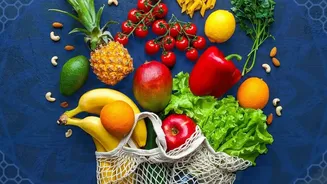
Your first step back to a normal diet should be focused on rehydration and easily digestible foods. Start your day with liquids. Warm water with lemon, or herbal concoctions with fennel (saunf) or carom seeds (ajwain), can help soothe the digestive tract. Coconut water is an excellent choice for replenishing electrolytes lost during fasting. For your first solid meals, think light. A bowl of plain yoghurt or curd can reintroduce beneficial probiotics to your gut. Simple fruit salads or a vegetable soup are also great options.
Day 2-3: Gradually Reintroduce Grains
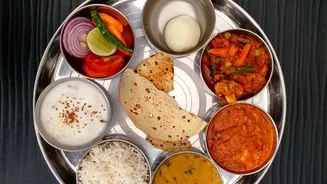
After a break from regular grains like wheat and rice, it's wise to reintroduce them slowly. Some experts suggest starting with refined grains like white rice or plain bread because their lower fibre content can be easier to digest initially. You can then move on to whole grains. Think about a simple dal with steamed rice or a light vegetable khichdi. Porridge or polenta are also good options. Avoid heavy, fried breads like parathas or puris for the first couple of days. The goal is to let your system get used to processing these carbohydrates again.
Bringing Back the Masala Box
Your palate may be craving the robust flavours of everyday Indian cooking, but go easy on the spices initially. Foods heavy with onion, garlic, and strong masalas can irritate a sensitive gut after a fast. Start by adding a pinch of turmeric and coriander powder to your cooking. Slowly reintroduce small amounts of onion and garlic in well-cooked dishes rather than raw. This gives your digestive system time to adapt without triggering acidity or discomfort.
Managing Cravings and Portion Sizes
It's natural to crave the foods you've missed, especially sweets and fried items. While it's fine to indulge a little, avoid breaking your fast with a heavy, celebratory meal. Practice mindful eating. Eat slowly and listen to your body’s fullness cues, aiming to feel satisfied, not stuffed. It can take up to 20 minutes for your brain to register that you're full. Instead of skipping meals to 'compensate' for festive eating, stick to small, frequent meals to keep cravings and energy levels stable.