







The Doctor Is In Orbit
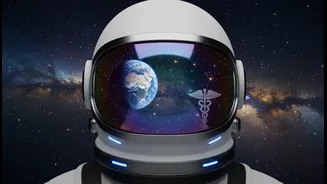
On July 14, 2026, Indian-origin NASA astronaut Anil Menon launched on his first spaceflight, an eight-month mission to the International Space Station (ISS). But Menon isn't just an astronaut; he's a U.S. Space Force colonel, an experienced engineer,
and an emergency medicine physician. Born in Minnesota to parents from India and Ukraine, Menon's unique qualifications place him at the forefront of space medicine. Before being selected as an astronaut in 2021, he served as SpaceX's first-ever flight surgeon, helping to build its medical program from the ground up and supporting its historic first human missions. His extensive background includes serving as a NASA crew flight surgeon for ISS expeditions and as a first responder in disasters like the 2010 Haiti earthquake, making him uniquely prepared for the challenges of his current mission.
The Perils of Deep Space Healthcare
Keeping astronauts healthy on the ISS is one thing, but missions to the Moon and Mars present unprecedented medical hurdles. Astronauts on these long journeys will face higher doses of space radiation, which can increase the risk for cancer and cardiovascular disease. The prolonged exposure to microgravity causes a host of physiological problems, including bone demineralization, muscle atrophy, and cardiovascular deconditioning. With communication delays and no possibility of a quick evacuation back to Earth, the crew must be medically autonomous. Any medical emergency, from a broken bone to a sudden illness, would have to be managed by the crew with the limited supplies on board. Performing even a simple procedure is complicated; as one astronaut noted, surgery in zero gravity would be a disaster with fluids and equipment floating everywhere.
A Laboratory 400 Kilometres Up
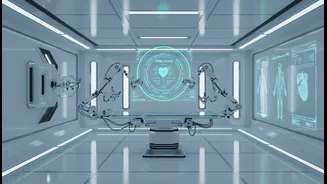
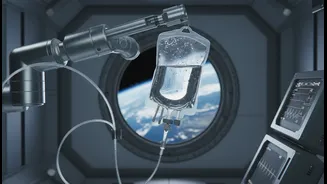
Menon's eight-month stay aboard the ISS is packed with experiments designed to tackle these very issues. As a flight engineer, he will serve as both a lab technician and a test subject. One key experiment involves using augmented reality and AI to guide ultrasound procedures, a technology that could one day allow astronauts to perform complex diagnostics without real-time help from Earth. He will also work on testing technologies for producing intravenous (IV) fluids from the station's drinking water, a critical capability for long missions where every kilogram of cargo is precious. Further research includes studying how microgravity affects blood flow and testing the bioprinting of vascular tissues, which could enhance our understanding of aging and disease both in space and on Earth.
Paving the Way for Artemis
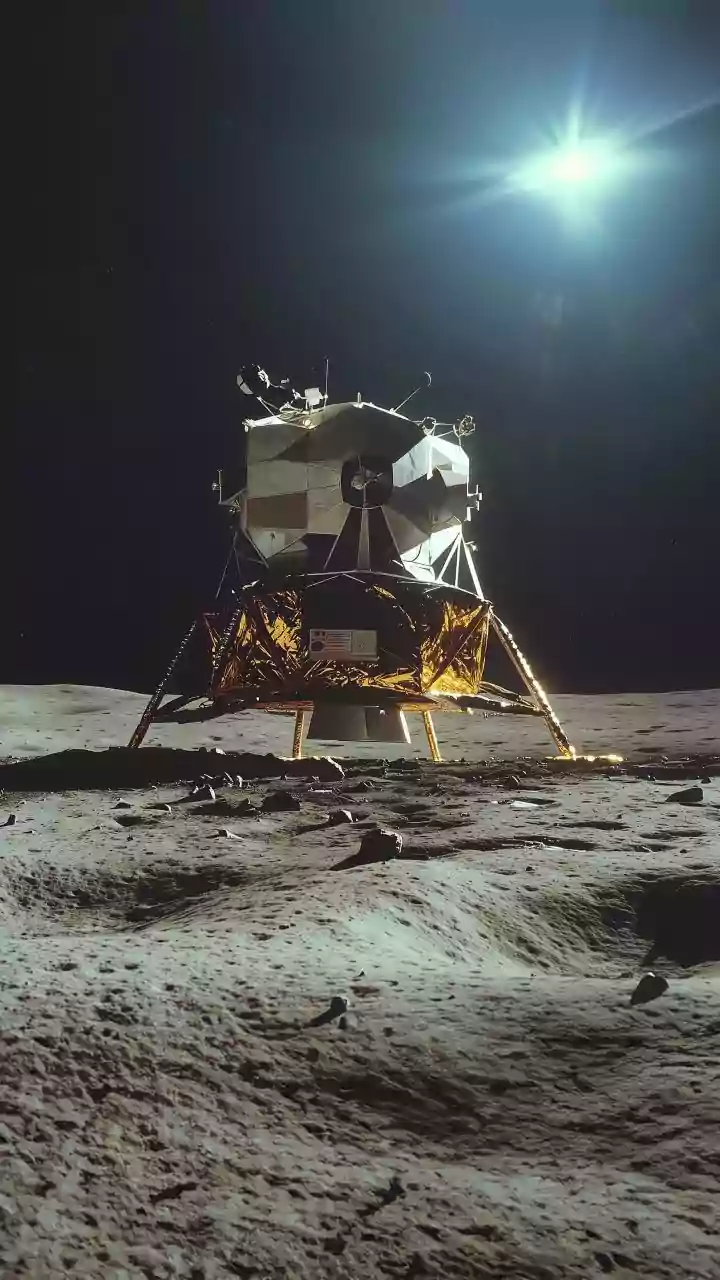
Every medical experiment conducted on the ISS is a building block for NASA's Artemis program, which aims to establish a long-term human presence on the Moon. The data gathered from Menon's research on how to manage health with greater autonomy is essential for planning missions that will last longer and venture farther from home. For example, understanding how to treat injuries, manufacture medicines, and monitor chronic health changes are all non-negotiable requirements for a lunar base. Menon himself helped establish the initial medical recovery requirements for the Artemis missions in a previous role, giving him a deep understanding of the program's needs. The work he and his crewmates are doing is not just abstract science; it is the practical, hands-on work required to ensure the next generation of explorers can not only travel to the Moon, but survive and thrive there.