


A Spectacle 12 Years in the Making
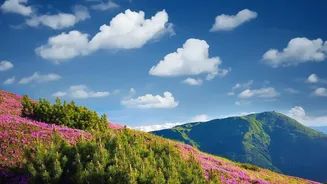
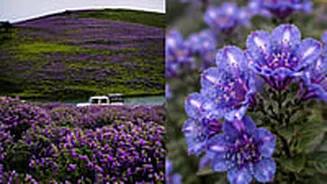
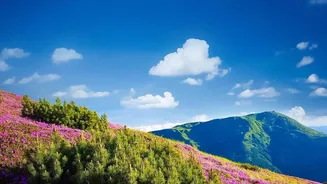
Imagine entire mountainsides awash in a vibrant, violet hue. This is not a dream, but the reality in Munnar during a Neelakurinji bloom. The flower, scientifically known as Strobilanthes kunthiana, is a shrub endemic to the high-altitude shola grasslands
of the Western Ghats. What makes it extraordinary is its highly synchronized flowering cycle. Every plant in a specific population blooms together in a magnificent display, but only once every 12 years. After setting seed for the next generation, the parent plants die, completing a unique life cycle that captivates nature lovers and scientists alike. This rarity is why the hills of Munnar become a pilgrimage site for travellers from across the globe during the fleeting bloom season.
The 2026 Bloom: A Tale of Two Timelines
Many who follow this natural wonder associate Munnar's great bloom with the year 2018, and correctly anticipate the next major event in 2030. However, nature works on multiple clocks. The current 2026 bloom is from a different population of Neelakurinji flowers, primarily located in the Chokramudi and Mattupetty-Korandakkad hills. This particular group last flowered in 2014, making 2026 their scheduled year to shine. So, while the famous blooms of Eravikulam National Park are still on track for 2030, visitors have a rare opportunity to witness this separate, but equally stunning, spectacle four years earlier than widely expected. The flowering began in August and is expected to reach its peak in September and October, carpeting the slopes in its signature colour.
Where to Witness the Violet Carpet
For the 2026 season, the main viewing areas are outside the famous Eravikulam National Park. Forest officials have opened designated viewing zones in the Chokramudi hills, which are accessible from Munnar. This area offers sweeping views of the purple-blue patches covering the high-altitude grasslands. Another key location is the stretch around Korandakkad near Mattupetty, which is convenient for tourists as it can be combined with visits to other attractions like the Mattupetty Dam. The Kurinji Garden at Chokramudi was officially opened to visitors in late August 2026, with entry fees in place to manage the influx of tourists. Because the exact intensity can depend on local weather and rainfall, checking for official updates before planning a visit is always a good idea.
The Science of a Synchronised Bloom
The 12-year cycle is a fascinating evolutionary survival strategy known as masting, or gregarious flowering. For over a decade, the plants focus solely on growth, producing no flowers or seeds. This long vegetative period starves local seed predators like rodents and insects, causing their populations to crash. Then, triggered by an internal biological clock, all the plants bloom at once, producing an overwhelming number of seeds. The few surviving predators are unable to consume them all, ensuring that enough seeds survive to germinate and start the next 12-year cycle. This synchronized mass death and rebirth is what makes the Neelakurinji a monocarpic plant—one that flowers just once in its lifetime.
A Call for Responsible Tourism
The return of the Neelakurinji is also a reminder of the fragility of its ecosystem. The plant is now listed as a threatened species by the IUCN due to habitat loss and other pressures. The massive influx of tourists during a bloom can cause significant stress. Authorities and conservationists urge visitors to be mindful. The most important rules are to stay on designated trails and to never pluck the flowers or uproot the plants. Trampling the shrubs can destroy the next generation. It is also critical to avoid littering and to keep these pristine grasslands plastic-free. By observing from a distance and respecting the guidelines, everyone can help ensure that this incredible natural heritage survives for future generations to witness.