




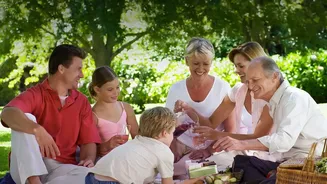


The Power of the Group
Group activities are the foundation of a family's shared identity. When families engage in activities together, whether it's a weekly meal, a holiday tradition, or a weekend outing, they create a collective pool of memories and inside jokes that define
them as a unit. These shared experiences foster a sense of belonging and stability. They provide a regular rhythm to family life and reinforce shared values. Participating in activities as a group teaches collaboration, improves communication, and helps children develop positive social behaviours by seeing mutual respect in action. It creates a supportive environment where everyone feels like part of a team, working and playing together.
The Magic of One-to-One
While group time builds a collective identity, one-on-one time nurtures individual relationships. Giving a child your undivided attention, free from the competition of siblings or the distraction of a group, sends a powerful message: you are important, and you are seen. Psychologists note that this focused time is critical for building self-esteem and trust. It creates a safe space for deeper conversations that might not happen in a group setting, allowing a child or partner to share thoughts, fears, and dreams more openly. This type of connection can reduce attention-seeking behaviours in children, as their need for connection is met in a positive way. It allows you to tune into each family member’s unique personality, interests, and needs.
Why A Balance Is Essential
Group and one-on-one time are not opposing forces; they are complementary parts of a healthy family ecosystem. Group gatherings build the broad, sturdy foundation of the family, while individual time reinforces the crucial bonds between each member, like mortar strengthening the bricks. A family that only spends time in large groups may struggle with individual members feeling overlooked. Conversely, a family that only interacts in pairs may lack a unified sense of identity and shared experience. The true strength of a family lies in its ability to move between these two modes. The resilience built in one-on-one connections helps the family navigate stress as a group, and the shared identity forged in group activities gives individual members a secure base to return to.
Making Time for Group Activities
Integrating group time into a busy schedule doesn't have to be complicated. The key is consistency and intention. Start by scheduling a recurring family meal, even if it's just once a week, with a strict no-devices rule to encourage conversation. Establish a weekly game or movie night, rotating who gets to choose the activity. Look for opportunities to turn everyday chores, like cooking or gardening, into team efforts. Planning a simple monthly outing, like a walk in a park or a visit to a local market, can also create lasting memories without extensive planning. By putting these events on a shared family calendar, you signal that this time together is a non-negotiable priority.
Carving Out Individual Time
Finding one-on-one time often requires a more deliberate effort, but the payoff is immense. Focus on quality over quantity; even 15 minutes of focused, intentional time can make a significant difference. Look for small pockets in your daily routine. This could be a short walk with one child after dinner, reading a book together before bed, or running an errand with just one family member. Some families find success by scheduling a special 'date' with each child on a rotating basis. It’s also important to be present during this time. Put your phone away, make eye contact, and practice active listening to show you are fully engaged. This focused attention is what truly makes one-on-one time so powerful for building a deep and lasting connection.