



The Great Melt: Vanishing Glaciers and 'Water Bombs'
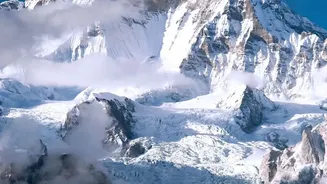
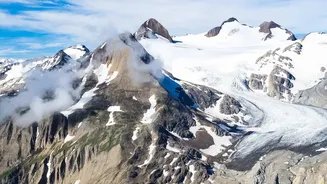
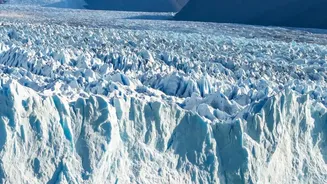
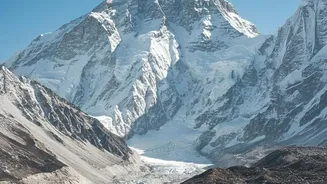
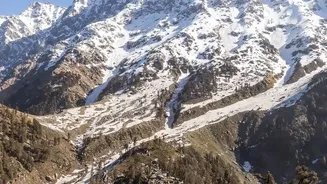
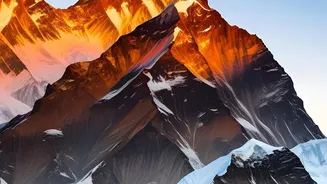
The most visible impact of a warming planet on the Himalayas is the rapid melting of its glaciers. These vast stores of ice, which feed ten of Asia's largest river systems, are retreating at an unprecedented rate. According to the International Centre
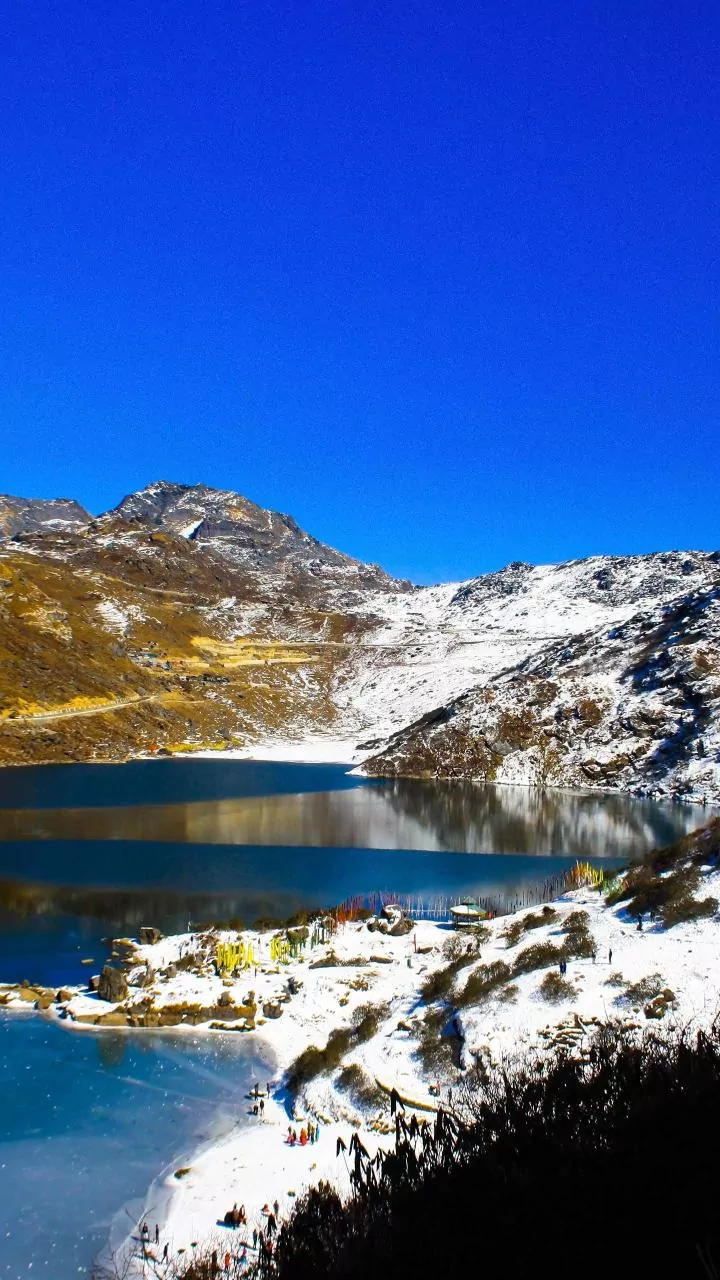
for Integrated Mountain Development (ICIMOD), the rate of ice loss has doubled since the year 2000. This rapid melt does more than just threaten long-term water security for millions in the Ganga, Indus, and Brahmaputra basins. In the short term, it creates a more immediate and violent danger: Glacial Lake Outburst Floods (GLOFs). As glaciers recede, they leave behind vast depressions that fill with meltwater, forming thousands of new lakes. These lakes are often dammed by unstable walls of moraine—loose rock and debris left by the retreating glacier. An avalanche, heavy rainfall, or simply the mounting pressure of the water can cause these natural dams to burst, unleashing what experts call a 'water bomb'. These floods are immensely destructive, capable of wiping out villages, roads, and critical infrastructure like hydropower plants in minutes.
Unstable Ground: Thawing Permafrost and Frequent Landslides
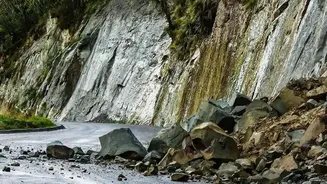
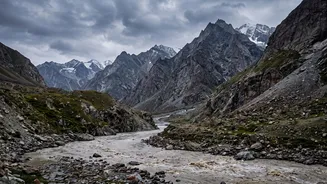
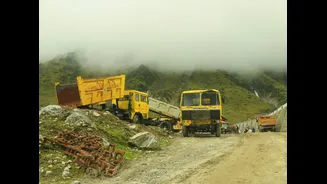
Beneath the surface, another critical change is underway. Permafrost, the frozen soil and rock that has acted like a cement for high-altitude slopes for centuries, is beginning to thaw. As this frozen ground warms and weakens, it loses its structural integrity, making entire mountainsides more prone to collapse. This thawing is a key driver behind the increasing frequency of landslides across the region. Climate change exacerbates this problem by altering rainfall patterns. The monsoon, once a predictable life-giver, is becoming more erratic and violent. Instead of steady, soaking rains, the region is experiencing more intense, short-duration cloudbursts that saturate the already fragile slopes, triggering thousands of landslides. These are not minor events; they sever road connectivity for weeks, destroy homes, and have a devastating human cost. In regions like Himachal Pradesh, a single season of intense rain and landslides can result in billions of dollars in losses and isolate entire districts.
An Erratic Monsoon: Too Much Water, Then Too Little
The Himalayas play a crucial role in governing the Indian monsoon, acting as a massive barrier that traps moisture and drives seasonal rainfall. But as the region warms twice as fast as the global average, this delicate system is being disrupted. The result is a monsoon that is increasingly unpredictable. Communities now face prolonged dry spells punctuated by extreme rainfall events. This volatility wreaks havoc on agriculture, which depends on predictable water supplies. It also creates a dual crisis of flooding and water scarcity. In the short term, intense rains coupled with accelerated glacial melt lead to devastating floods. But in the long term, as the glaciers continue to shrink, the dry-season flow of the great rivers they feed will diminish, threatening the water supply for hundreds of millions of people downstream. This shift disrupts everything from drinking water availability to hydropower generation, creating a long-term resource crisis.
The Human Cost and Infrastructure at Risk
The instability of the Himalayas is not a distant environmental issue; it has profound and immediate consequences for human life and national development. The people living in mountain communities, who have contributed the least to global warming, are on the front lines of its impacts. Their homes, farms, and livelihoods are directly threatened by floods and landslides. Furthermore, billions of dollars invested in critical infrastructure—including roads, bridges, and especially hydropower plants—are increasingly at risk. Disasters like the one at the Teesta-III hydropower plant, which was destroyed by a GLOF, highlight the vulnerability of these assets. The economic cost of maintaining infrastructure in a region where the ground itself is becoming unstable is projected to be enormous. As the mountains become less stable, the risk to both life and property grows, posing a significant challenge to regional security and development.