



The Power of the Petite Portion
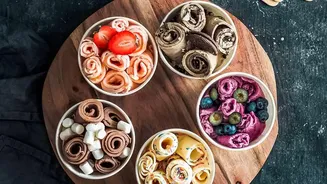
The era of committing to one giant, often mediocre, meal at a festival is fading. Today, a new trend is taking hold: smaller plates. This shift is driven by a simple desire for variety. Why settle for one dish when you can sample three or four? Food vendors
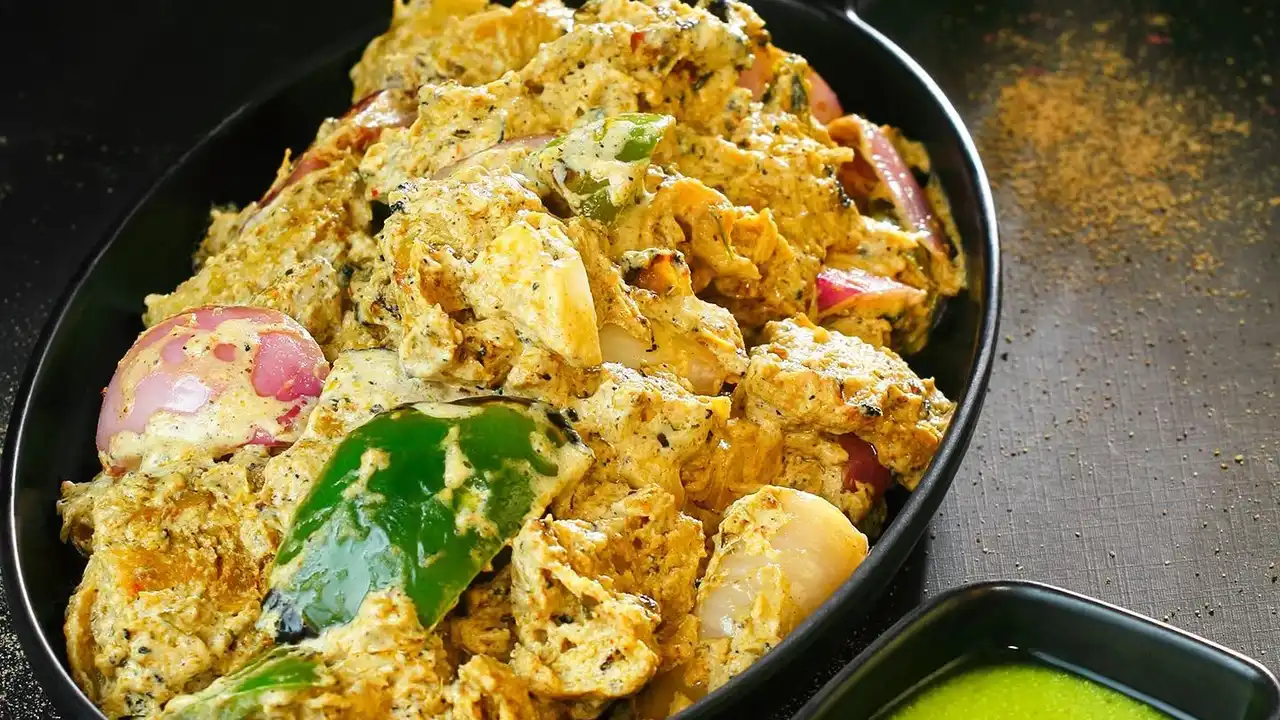
are responding with tasting menus, mini versions of their signature dishes, and sampler platters that allow festival-goers to embark on a culinary tour without feeling overly full or breaking the bank. The psychological appeal is strong; smaller portions feel less like a commitment and more like an experiment, encouraging people to try new flavours. This trend caters to a modern diner who snacks more and prefers lighter meals. It’s a win-win: attendees get to experience a wider array of cuisines, from spicy tuna tartare to mini lamb sliders, while vendors can showcase their creativity and reduce potential food waste.
Sharing is the New Standard
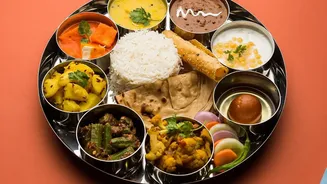
Beyond just what’s on the plate, the way we eat is becoming more communal. Shared orders and family-style platters are transforming festival dining from a solitary act of refueling into a collective social experience. The philosophy is rooted in the ancient human practice of breaking bread together, which fosters connection and builds trust. In a world craving authentic connection, sharing a meal breaks down barriers, whether among old friends or new acquaintances met in a crowd. Research has shown that eating the same food can increase cooperation among strangers, a perfect ingredient for the festival atmosphere. Chefs and vendors are designing menus with this in mind, offering large-format dishes, platters, and 'for the table' options that are meant to be passed around and enjoyed by a group. This shift reflects a deeper cultural movement where the experience of eating together is just as important as the food itself.
Smarter, Safer Packaging
The focus on a better dining experience extends to the very containers our food is served in. In recent years, there has been a significant push towards packaging that is not only convenient but also safe and sustainable. With growing environmental awareness, single-use plastics are being replaced by eco-friendly alternatives. Vendors are increasingly using biodegradable materials like kraft paper, bamboo, and compostable plastics made from starch. These choices reduce the festival's carbon footprint and resonate with attendees who are more conscious of their environmental impact. Beyond sustainability, packaging is being designed for safety and practicality. Sturdy, grease-resistant containers prevent leaks and spills, while smart folding designs make it easier to eat on the go, even with one hand. Clear allergen labelling and temperature-retaining materials also ensure that food remains safe and enjoyable from the stall to the first bite.
From Sustenance to Experience
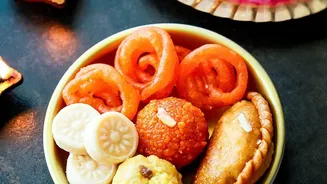
In India, food has always been central to celebration, evolving from sacred offerings to the very heartbeat of a festival. Modern music and arts festivals are now embracing this cultural truth, elevating their food programs from a basic necessity to a curated attraction. Major events now boast lineups of top restaurants and chef-driven concepts, offering everything from gourmet dishes to authentic street food. The culinary offerings are becoming a key part of the festival's identity, reflecting local culture and global trends. This evolution means that attendees no longer have to choose between seeing their favourite band and having a great meal. The food courts and pop-ups are becoming destinations in themselves, thoughtfully integrated into the festival landscape to create distinct culinary neighbourhoods. This shift mirrors the deep-seated Indian tradition where food fosters togetherness and creates lasting memories long after the event concludes.